

Affiliate Disclosure: This article contains affiliate links. If you purchase through these links, we may earn a commission at no additional cost to you. We only recommend products that align with sustainable health practices.
The detox industry promotes extreme juice cleanses, expensive supplement kits, and restrictive fad diets promising miraculous overnight results. But most people don’t realize your body already has a sophisticated, built-in detoxification system working around the clock.
This gentle detox for beginners focuses on supporting your body’s natural cleansing processes rather than disrupting them with harsh, unsustainable methods. No deprivation. No dangerous supplements. Just science-backed strategies that help your liver, kidneys, and digestive system function optimally.
Table of Contents


Understanding How Your Body Actually Detoxifies
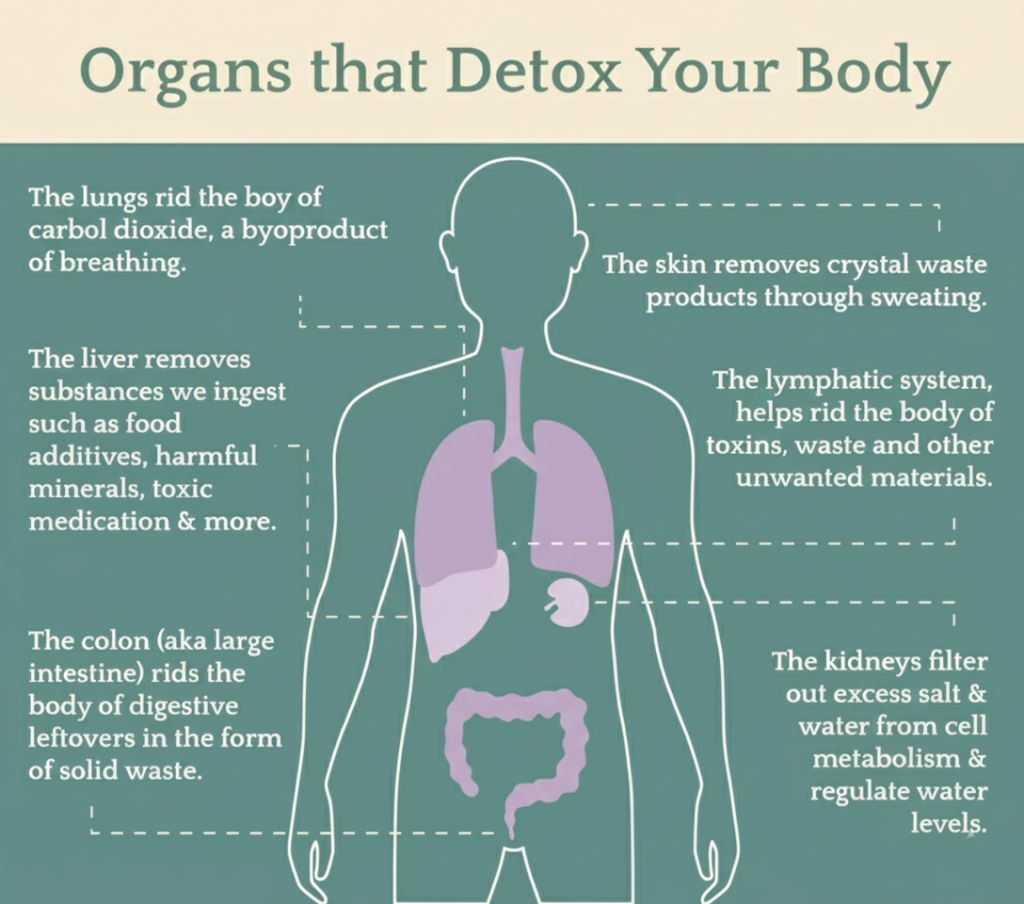
Before starting any gentle detox for beginners, understanding what detoxification actually means is essential. Your body isn’t accumulating mysterious “toxins” requiring drastic intervention to remove. Instead, your organs work continuously to process and eliminate waste products, environmental chemicals, and metabolic byproducts.
Your Body’s Detoxification System
The Liver: Your liver is the metabolic powerhouse, performing over 500 essential functions. It processes everything you consume, converting potential toxins into water-soluble compounds that can be safely eliminated. Research from Johns Hopkins Medicine confirms that your liver handles detoxification efficiently without needing extreme cleanses or specialty supplements.
The Kidneys: Your kidneys filter approximately 140-170 liters of blood daily, producing 1-2 liters of urine to eliminate waste products. According to a study published in PMC on hydration and kidney health, proper hydration is the single most important factor in supporting kidney function and facilitating waste elimination.
The Digestive System: Your gut doesn’t just process food—it’s a critical line of defense against harmful substances. A healthy digestive tract prevents toxins from being absorbed while supporting beneficial bacteria that aid metabolism and immune function.
The Lymphatic System: This network of tissues and organs helps eliminate toxins, waste, and unwanted materials from your body. Unlike your circulatory system, lymph fluid doesn’t have a pump—it relies on muscle movement and breathing to flow properly.
What Science Says About Detox Programs
A 2000 study published in Alternative Medicine Review examined a 7-day detoxification program in disease-free adults. The research found a 47% reduction in symptom scores and a 23% increase in liver detoxification capacity, measured by caffeine clearance. Importantly, this was achieved through gentle dietary modifications and hydration—not extreme restriction or exotic supplements.
More recent research in 2023 published in PMC demonstrated that a guided detoxification program using whole foods increased phase II detoxification enzymes by 13% and total cellular antioxidant capacity by 40%. The key factor? Supporting your body’s natural processes with nutrient-dense foods rather than depleting it through fasting or restriction.
Why Extreme Detoxes Do More Harm Than Good
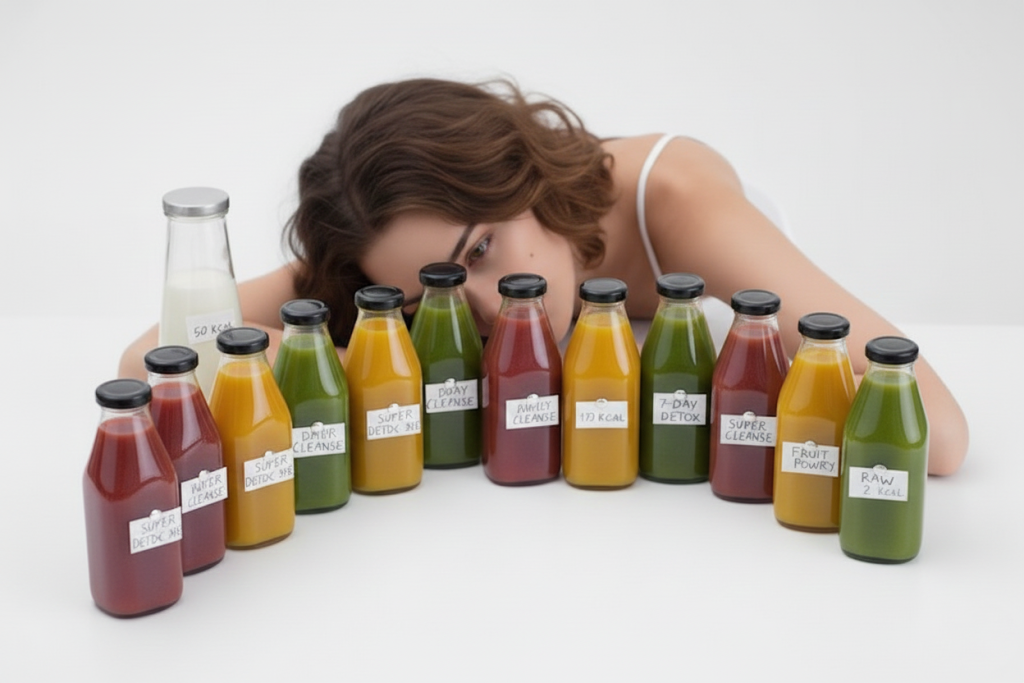
The detox industry is worth billions, but most commercial cleanses offer more marketing than science. Here’s why extreme approaches often backfire:
Nutrient Deficiency
Juice cleanses and restrictive detox diets eliminate essential nutrients your detoxification organs actually need to function. Your liver requires adequate protein to produce enzymes for phase II detoxification. Without sufficient amino acids, your body’s ability to process and eliminate toxins actually decreases.
Metabolic Disruption
Severe calorie restriction triggers your body’s stress response, increasing cortisol production. Chronically elevated cortisol impairs liver function, disrupts blood sugar regulation, and promotes fat storage—the opposite of what most people want from a detox.
Unsustainable Results
While extreme cleanses might produce rapid initial weight loss, it’s primarily water and muscle mass, not fat. Research consistently shows that people regain this weight quickly once they return to normal eating patterns.
Potential Organ Damage
Some detox supplements contain ingredients that can actually harm your liver. A 2023 analysis published in the Official Journal of the American College of Gastroenterology found that despite generating over $2.4 million monthly in sales, liver cleansing supplements showed no definitive efficacy in human studies and some presented safety concerns.
The 14-Day Gentle Detox for Beginners: Supporting Your Body’s Natural Processes
This gentle detox for beginners focuses on optimizing your body’s inherent detoxification capacity through sustainable lifestyle modifications. No deprivation, no expensive supplements, just evidence-based strategies.
Week One: Foundation Building
Days 1-3: Hydration Optimization
Your kidneys cannot effectively eliminate waste without adequate hydration. Start by establishing a consistent hydration routine.
Morning ritual: Begin each day with 16-24 ounces of room temperature water. Adding fresh lemon juice provides vitamin C and citric acid, which may support liver function and help prevent kidney stones by increasing citrate levels in urine.
Throughout the day: Aim for 8-10 glasses of filtered water. A study in PMC on hydration and kidney health showed that participants with higher urine volume experienced significantly lower decline in kidney function over seven years.
Hydration markers: Your urine should be pale yellow. Darker urine indicates dehydration; very light or clear urine suggests overhydration, which can disrupt electrolyte balance.
Days 4-7: Nutrition Enhancement
This phase emphasizes adding nutrient-dense foods that support detoxification rather than removing foods from your diet.
Cruciferous vegetables: Broccoli, Brussels sprouts, cauliflower, and kale contain glucosinolates that increase liver detoxification enzymes. Research in the Journal of Nutrition and Metabolism demonstrates that these vegetables upregulate both phase I and phase II detoxification pathways.
Leafy greens: Spinach, arugula, and Swiss chard provide chlorophyll, which binds to heavy metals and supports their elimination. These greens also supply folate, essential for methylation pathways involved in detoxification.
Berries: Blueberries, raspberries, and cranberries deliver powerful antioxidants that protect liver cells from oxidative damage. Studies show that berry consumption supports phase II conjugation reactions necessary for toxin elimination.
Herbs and spices: Turmeric (curcumin), garlic, ginger, and cilantro have documented effects on liver enzyme activity. Research published in PMC shows these compounds stimulate the expression of endogenous detoxification enzymes.
Week Two: Lifestyle Integration
Days 8-10: Movement and Lymphatic Support
Gentle movement facilitates detoxification by promoting lymphatic circulation, increasing blood flow to organs, and supporting regular elimination.
Daily movement: Engage in 20-30 minutes of moderate activity. Walking, swimming, or tai chi all support lymphatic drainage without overtaxing your system. High-intensity exercise isn’t necessary—consistency matters more than intensity for this gentle detox for beginners.
Dry brushing: Use a natural bristle brush on dry skin before showering, brushing toward your heart in long, sweeping strokes. This mechanical stimulation promotes lymphatic circulation and gently exfoliates dead skin cells.
Deep breathing: Practice diaphragmatic breathing for 5-10 minutes daily. Deep breathing creates pressure changes in your thorax that pump lymph fluid throughout your body.
Days 11-14: Sleep and Stress Management
Sleep is when your body performs intensive cellular repair and waste removal. Your brain’s glymphatic system—which flushes out metabolic waste—operates primarily during deep sleep.
Sleep hygiene: Aim for 7-9 hours nightly. Maintain consistent sleep and wake times, even on weekends. Create a dark, cool sleeping environment (65-68°F optimal).
Evening routine: Stop screen time 1-2 hours before bed. Blue light from devices suppresses melatonin production, disrupting your circadian rhythm and limiting overnight detoxification processes.
Stress reduction: Chronic stress impairs liver function and digestive health. Incorporate stress management practices like journaling, or time in nature. Even 10 minutes daily provides measurable benefits.
How to Detox Your Body Naturally at Home: Practical Strategies

These evidence-based approaches support your body’s detoxification capacity without requiring special products or dramatic lifestyle overhauls.
Morning Detox Rituals
Warm lemon water: Squeeze half a fresh lemon into 12-16 ounces of warm (not hot) water. Drink this 15-30 minutes before coffee or breakfast. The citric acid supports bile production, which helps your liver process fats and fat-soluble toxins.
Oil pulling: While scientific evidence is limited, this traditional practice involves swishing 1 tablespoon of coconut or sesame oil in your mouth for 10-15 minutes, then spitting it out. Proponents claim it reduces oral bacteria and supports overall detoxification.
Light stretching: Five minutes of gentle stretching increases circulation and jump-starts your lymphatic system. Focus on spine rotations, hip openers, and shoulder rolls.
Dietary Foundations
A 7-day gentle detox for beginners emphasizes whole, minimally processed foods that provide the nutrients your detoxification organs need.
Protein at every meal: Your liver requires amino acids to produce glutathione, the body’s master antioxidant. Include high-quality protein sources like wild-caught fish, pasture-raised eggs, legumes, and organic poultry.
Healthy fats: Omega-3 fatty acids from fish, walnuts, flaxseeds, and chia seeds reduce inflammation and support cell membrane integrity. Monounsaturated fats from avocados and olive oil support bile flow.
Fiber-rich foods: Aim for 25-35 grams of fiber daily from vegetables, fruits, whole grains, and legumes. Fiber binds to toxins in your digestive tract and promotes regular elimination. Without adequate fiber, toxins can be reabsorbed through your intestinal wall.
Sulfur-containing foods: Eggs, garlic, onions, and cruciferous vegetables provide sulfur compounds necessary for phase II detoxification reactions in the liver.
Foods to Minimize
Rather than complete elimination, focus on reducing foods that create extra work for your detoxification organs:
Processed foods: Packaged snacks, fast food, and ultra-processed items contain additives, preservatives, and artificial ingredients that your liver must process.
Excess sugar: High sugar intake promotes inflammation and contributes to non-alcoholic fatty liver disease. The American Heart Association recommends no more than 25 grams (women) or 36 grams (men) of added sugar daily.
Alcohol: Your liver prioritizes alcohol metabolism over other detoxification processes. Even moderate drinking increases your toxic burden. Consider abstaining during your detox period.
Conventional produce with high pesticide residues: When budget allows, choose organic versions of the “Dirty Dozen” fruits and vegetables that typically contain the highest pesticide levels.
Sample Meal Plans for Gentle Detox for Beginners
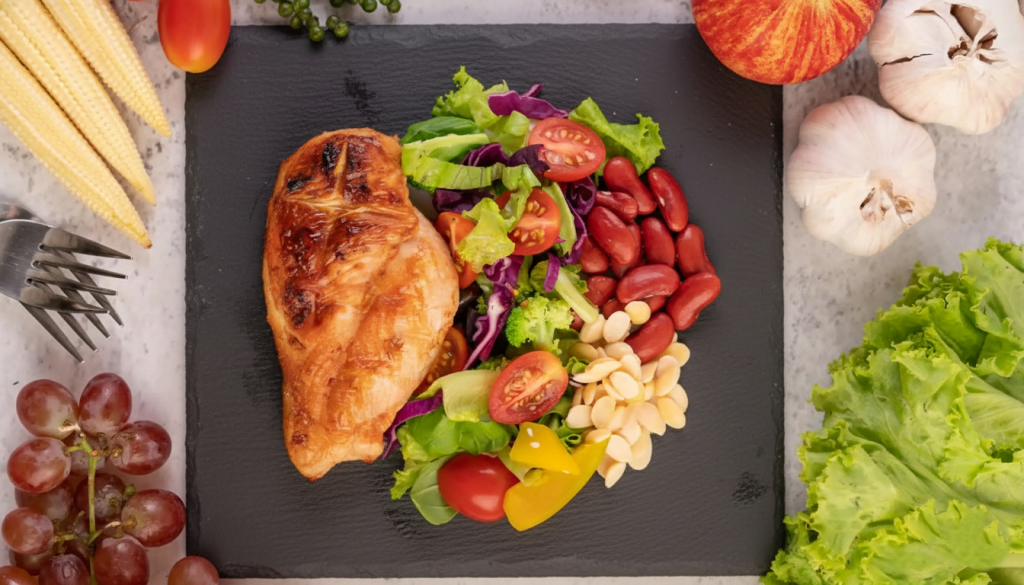
These meal plans demonstrate how a gentle detox for beginners can be both nourishing and supportive of natural detoxification.
Day 1 Sample Menu
Upon waking: 16 oz warm lemon water
Breakfast (7:00 AM):
- Green smoothie: spinach, frozen blueberries, banana, ground flaxseed, unsweetened almond milk, protein powder
- Handful of raw almonds
Mid-morning (10:00 AM):
- Sliced cucumber with hummus
- Herbal tea (dandelion root or milk thistle)
Lunch (1:00 PM):
- Large mixed green salad with grilled wild salmon
- Quinoa with roasted Brussels sprouts
- Olive oil and lemon dressing
- Side of sauerkraut (probiotic support)
Afternoon (4:00 PM):
- Apple slices with almond butter
- Green tea
Dinner (7:00 PM):
- Grass-fed beef or lentil stew with root vegetables
- Steamed broccoli with garlic
- Brown rice or sweet potato
- Side salad with beets and pumpkin seeds
Evening (9:00 PM):
- Chamomile or peppermint tea
- Small handful of walnuts (if hungry)
Day 7 Sample Menu
Upon waking: 16 oz warm lemon water with fresh ginger
Breakfast (7:00 AM):
- Vegetable omelet with spinach, mushrooms, tomatoes
- Whole grain toast with avocado
- Mixed berries
Mid-morning (10:00 AM):
- Carrot and celery sticks with tahini
- Kombucha (probiotic beverage)
Lunch (1:00 PM):
- Chickpea and vegetable curry with turmeric
- Cauliflower rice
- Mixed green salad with olive oil dressing
- Kimchi (fermented vegetables)
Afternoon (4:00 PM):
- Green apple with cashew butter
- Herbal detox tea
Dinner (7:00 PM):
- Baked cod with lemon and herbs
- Roasted asparagus with garlic
- Quinoa pilaf with parsley
- Arugula salad with walnuts and pomegranate seeds
Evening (9:00 PM):
- Turmeric golden milk (warm almond milk with turmeric, ginger, cinnamon, black pepper)
Hydration Throughout the Day
Between meals, maintain consistent hydration:
- Filtered water (aim for pale yellow urine)
- Herbal teas (dandelion, milk thistle, green tea, ginger)
- Coconut water (natural electrolytes)
- Infused water (cucumber-mint, lemon-basil, berries)
Avoid or minimize:
- Sugary beverages
- Artificial sweeteners
- Excessive caffeine (limit to 1-2 cups coffee or tea daily)
- Alcohol
Supporting Detoxification Through Lifestyle Practices
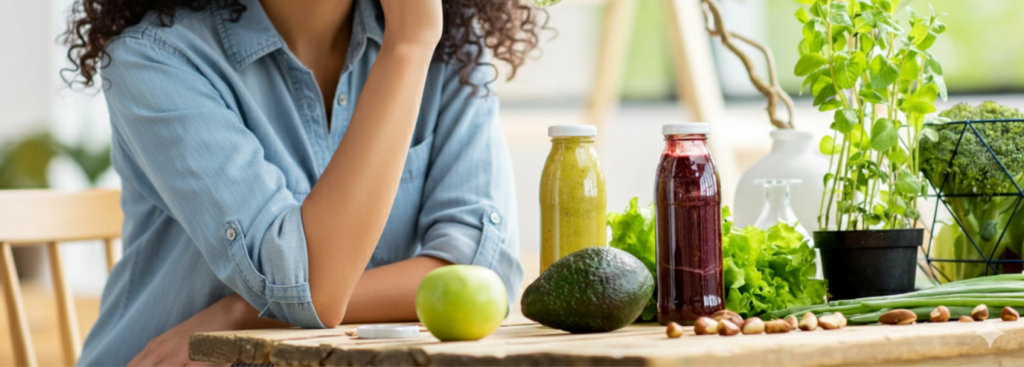
True detoxification extends beyond diet. These lifestyle modifications create an environment where your body can cleanse itself effectively.
Sleep Optimization
Your brain’s glymphatic system removes metabolic waste during deep sleep stages. Poor sleep quality impairs this critical detoxification process.
Sleep strategies:
- Maintain consistent sleep-wake times
- Create a completely dark sleeping environment (blackout curtains, cover LED lights)
- Keep bedroom temperature cool (65-68°F)
- Avoid large meals within 3 hours of bedtime
- Limit fluid intake 2 hours before sleep to prevent nighttime waking
- Consider magnesium supplementation (200-400mg before bed) to support relaxation
Stress Management
Chronic stress elevates cortisol, which impairs liver function, disrupts digestion, and compromises immune function. Stress management isn’t optional—it’s essential for effective detoxification in any gentle detox for beginners.
Evidence-based stress reduction:
Meditation: Even 10 minutes daily reduces cortisol levels and activates the parasympathetic nervous system, supporting rest-and-digest functions. Apps like Headspace or Calm provide guided sessions for beginners.
Breathing exercises: Box breathing (inhale 4 counts, hold 4 counts, exhale 4 counts, hold 4 counts) activates your vagus nerve, promoting relaxation and optimal organ function.
Nature exposure: Studies show that 20 minutes in nature significantly reduces stress hormones. Walking in green spaces combines gentle movement with stress reduction.
Journaling: Writing about stressful experiences for 15-20 minutes helps process emotions and reduces their physiological impact on your body.
Sauna and Heat Therapy
While controversial, some research suggests that heat exposure through sauna use may support detoxification by increasing circulation and promoting sweating.
Guidelines for safe sauna use:
- Start with 10-15 minute sessions
- Stay well-hydrated before, during, and after
- Listen to your body—exit if you feel dizzy or uncomfortable
- Shower afterward to rinse away excreted compounds
- Consult your doctor if you have cardiovascular conditions
Dry Brushing and Self-Massage
These mechanical techniques support lymphatic circulation, helping your body move waste products toward elimination organs.
Dry brushing technique:
- Use a natural bristle brush on dry skin before showering
- Start at your feet, brushing toward your heart in long, sweeping strokes
- Use circular motions on joints and abdomen
- Brush for 3-5 minutes total
- Follow with a shower and moisturize with natural oils
Self-lymphatic massage: Focus on major lymph nodes:
- Gently massage behind ears, sides of neck
- Stroke from jaw toward collarbone
- Circle around armpits
- Gentle pressure on inner thighs and groin area
- Always move toward the heart
Supplements That May Support Detoxification
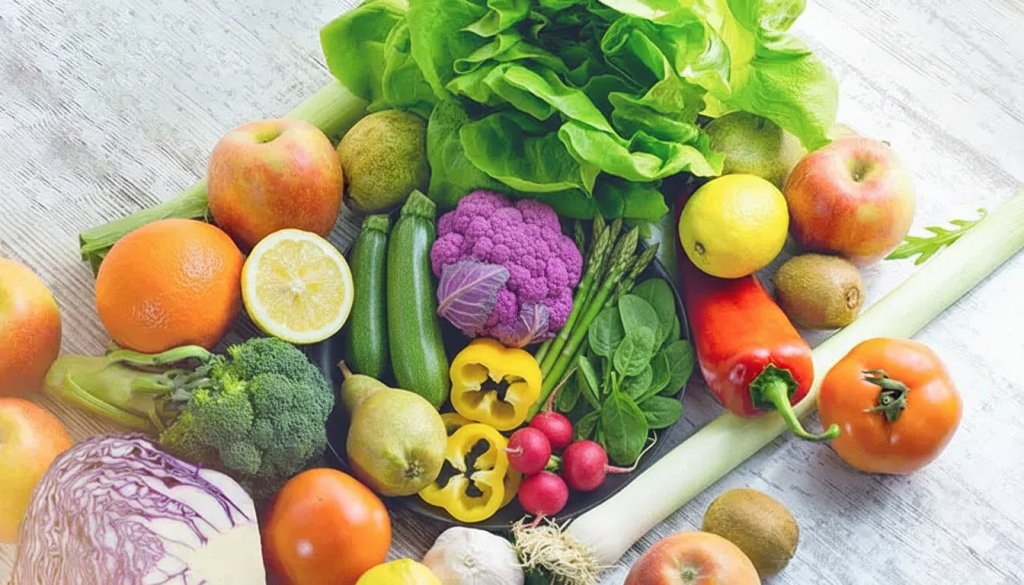
While whole foods should form your foundation, certain supplements have research supporting their role in liver and kidney function. However, Johns Hopkins Medicine warns that many detox supplements lack clinical evidence and some may cause liver injury.
Evidence-Supported Options
Milk Thistle (Silymarin): Contains silymarin, which has been shown to decrease liver inflammation in some studies. Typical dosage: 140mg of silymarin three times daily. Note: Evidence is mixed, and it shouldn’t replace medical treatment for liver disease.
N-Acetyl Cysteine (NAC): A precursor to glutathione, your body’s master antioxidant. Typical dosage: 600-1800mg daily. NAC supports both phase I and phase II liver detoxification.
Turmeric (Curcumin): Research shows curcumin protects against liver injury and supports detoxification enzymes. Typical dosage: 500-2000mg daily with black pepper (piperine) to enhance absorption.
Probiotics: Support gut health and the elimination of toxins through regular bowel movements. Choose multi-strain formulas with at least 10 billion CFUs.
Magnesium: Supports over 300 enzymatic reactions, including detoxification pathways. Also promotes relaxation and quality sleep. Typical dosage: 200-400mg daily, preferably magnesium glycinate or citrate.
Important Supplement Cautions
- Consult your healthcare provider before starting any supplement regimen
- Be wary of proprietary “detox blends” with unspecified ingredients
- Some herbs interact with medications
- Quality matters—choose third-party tested products (USP, NSF, or ConsumerLab certified)
- More isn’t better—excessive supplementation can stress your liver
Signs Your Gentle Detox for Beginners Is Working

Unlike extreme cleanses that produce dramatic but unsustainable changes, gentle detox for beginners creates gradual improvements. Here’s what to expect:
Positive Indicators
Improved digestion: More regular bowel movements (1-2 times daily), reduced bloating, less gas, and comfortable digestion after meals indicate your gut is functioning optimally.
Increased energy: As your body becomes more efficient at processing and eliminating waste, you should feel more sustained energy throughout the day, without the crashes associated with blood sugar dysregulation.
Better sleep quality: Falling asleep faster, fewer nighttime awakenings, and waking feeling refreshed suggests your detoxification processes are working well during sleep.
Clearer skin: Your skin is an elimination organ. As internal detoxification improves, skin often becomes clearer, more radiant, and less prone to breakouts.
Mental clarity: Reduced brain fog, improved focus, and better mood indicate that your brain’s waste removal systems are functioning optimally.
Reduced cravings: As blood sugar stabilizes and inflammation decreases, cravings for sugar and processed foods typically diminish.
Balanced weight: While not the primary goal, gentle detox often leads to sustainable weight loss as inflammation decreases and metabolic function improves.
Temporary Adjustment Symptoms
Some people experience mild symptoms during the first few days as their body adjusts:
- Headaches (often from caffeine withdrawal)
- Fatigue (temporary as metabolism shifts)
- Mild breakouts (skin eliminating toxins)
- Changes in bowel habits
- Increased urination
These symptoms should be mild and resolve within 3-4 days. If symptoms are severe or persist, discontinue the program and consult a healthcare provider.
Common Mistakes to Avoid
Even gentle detox approaches can go wrong. Avoid these pitfalls:
Over-Restricting Calories
Your body needs adequate energy to fuel detoxification processes. Eating too little slows metabolism and impairs liver function. Aim for balanced, satisfying meals that leave you energized, not deprived.
Neglecting Protein
Amino acids are essential for producing detoxification enzymes and glutathione. Skipping protein undermines the very processes you’re trying to support.
Inconsistent Hydration
Drinking all your water in one or two sittings isn’t as effective as consistent hydration throughout the day. Set reminders if needed.
Ignoring Fiber
Without adequate fiber, toxins processed by your liver can be reabsorbed through your intestines. This enterohepatic recirculation defeats the purpose of detoxification.
Expecting Overnight Results
Gentle detox produces cumulative benefits over weeks and months, not days. Trust the process and focus on building sustainable habits.
Buying Expensive Supplements
Marketing often trumps science in the supplement industry. Most people don’t need specialized detox products—whole foods and basic supplements suffice.
After the 14 Days: Maintaining Your Results
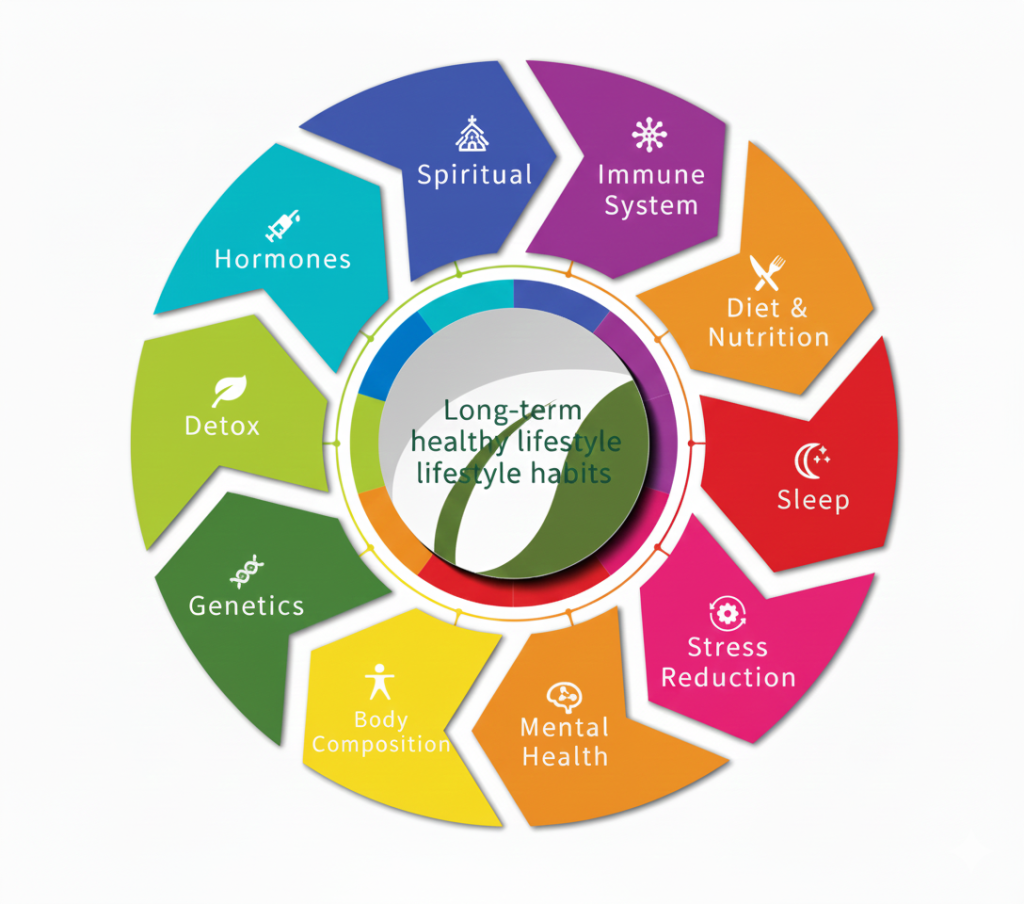
The goal isn’t a temporary cleanse but lasting lifestyle changes that support ongoing health.
Sustainable Maintenance Strategies
The 80/20 approach: Eat nutrient-dense, whole foods 80% of the time. Allow flexibility for social occasions and treats the other 20%. This balanced approach prevents the deprivation-binge cycle.
Continued hydration: Maintain your water intake and morning lemon water ritual. Adequate hydration should be permanent, not temporary.
Regular movement: Keep up your activity routine, whether that’s walking, swimming, or other gentle exercise. Movement supports ongoing detoxification.
Periodic mini-detoxes: Consider incorporating detox-supportive days monthly or seasonally—not extreme cleanses, but days when you’re particularly mindful of hydration, vegetable intake, and stress management.
Annual evaluation: Once or twice yearly, do a more focused 7-14 day gentle detox for beginners to reset habits that may have drifted.
When to Seek Professional Help
While gentle detox for beginners is safe for most healthy adults, certain situations warrant professional guidance:
- Pre-existing liver or kidney disease
- Taking multiple medications
- Pregnancy or breastfeeding
- History of eating disorders
- Unexplained symptoms like persistent fatigue, pain, or digestive issues
- Wanting to implement a longer or more intensive program
A functional medicine practitioner, naturopathic doctor, or registered dietitian can provide personalized guidance based on your health status and goals.
The Truth About Detoxification
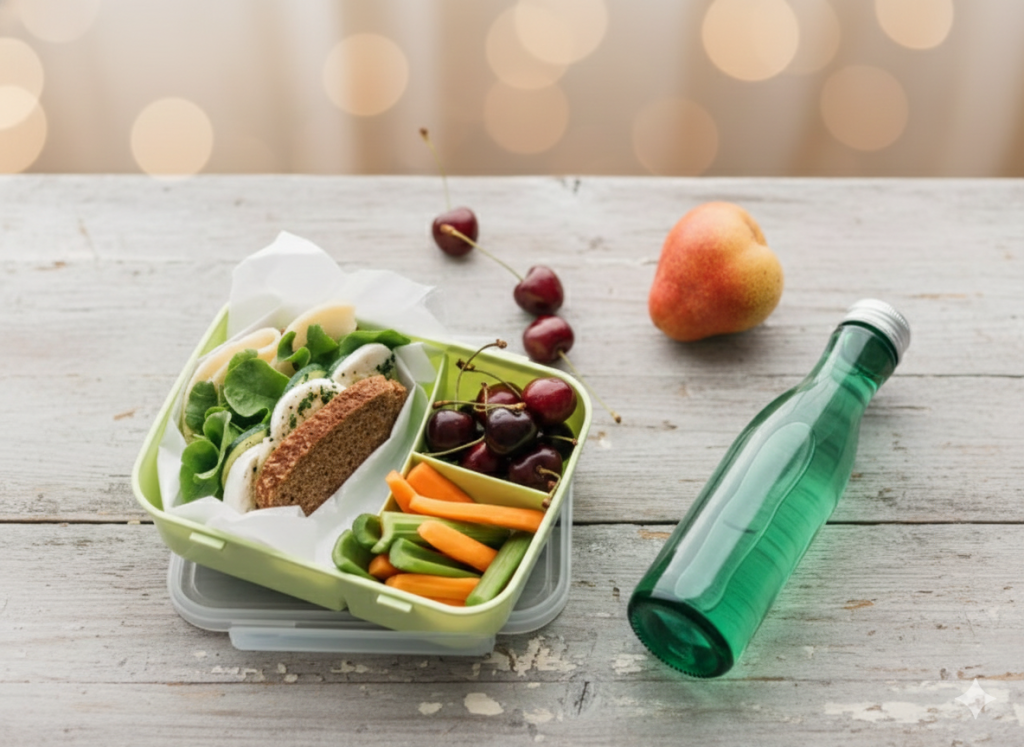
Your body doesn’t need trendy cleanses, expensive supplements, or extreme deprivation to detoxify. It needs support for the sophisticated systems already in place.
This gentle detox for beginners provides that support through hydration, nutrient-dense foods, stress management, quality sleep, and gentle movement. These aren’t temporary interventions—they’re foundational practices for lifelong health.
Research consistently demonstrates that supporting your body’s natural detoxification capacity through sustainable lifestyle modifications produces better outcomes than extreme, restrictive approaches. The 7-day detoxification study showed significant improvements in well-being and liver function. The 4-week whole-food intervention increased antioxidant capacity by 40%. These results came from gentle, supportive interventions, not deprivation.
You don’t need to suffer to cleanse your body. You don’t need to buy expensive products or follow restrictive protocols. You need to support your liver, kidneys, digestive system, and lymphatic system with the fundamentals: clean water, whole foods, adequate sleep, stress management, and regular movement.
This 14-day plan provides a framework for resetting your relationship with your body and establishing habits that support optimal function. The question isn’t whether your body can detoxify—it’s whether you’re giving it the resources and support to do so effectively.
Start today with one simple change: drink a glass of water. Then another. Add vegetables to your next meal. Take a walk. Get to bed earlier tonight. Each small choice compounds into meaningful transformation.
Your body is already equipped for detoxification. Your job is simply to support it.