

Affiliate Disclosure: This article contains affiliate links. If you purchase through our links, we may earn a commission at no extra cost to you. We only recommend products we genuinely believe will support your health journey.
Look around any January gym, and you’ll spot them immediately—dozens of determined faces, brand-new workout gear, freshly downloaded calorie-counting apps. Fast forward to March, and that crowd has thinned considerably. The enthusiastic resolve fades, replaced by frustration and the familiar pattern of weight returning, sometimes bringing extra pounds along for the ride.
This annual cycle isn’t about lack of willpower. The problem runs deeper than motivation—it’s rooted in approaches that work against your body’s biology rather than with it. Sustainable weight loss strategies 2026 focus on methods that align with how your metabolism actually functions, not how diet culture wishes it would. Effective sustainable weight loss strategies 2026 acknowledge this pattern and offer a different path forward.
- One short workout a day, no equipment
- Active rest day and stretch day included
- Printable one-page plan with tips
Instant download • 100% free • No email required

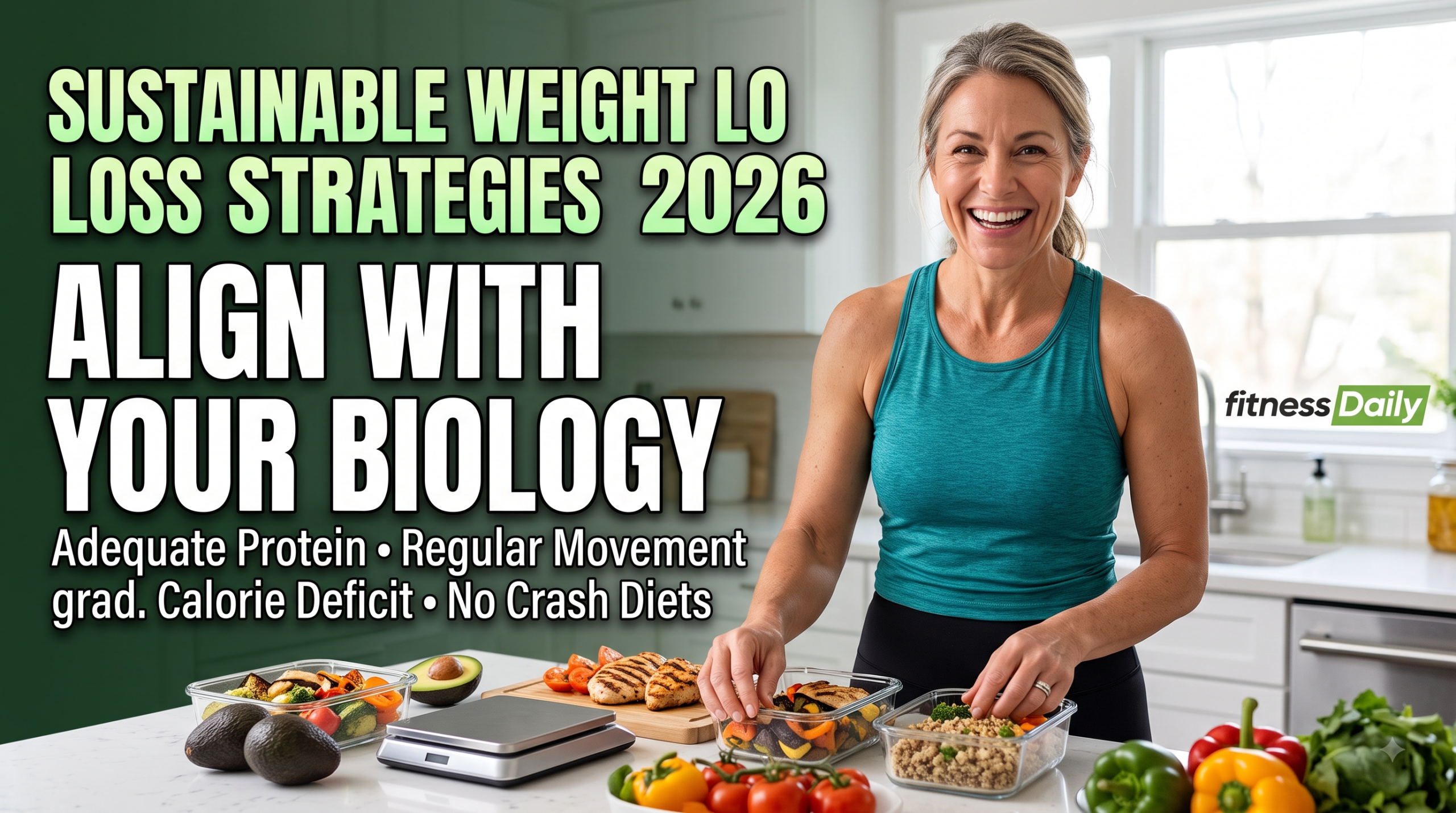
After tracking weight management research across multiple longitudinal studies and analyzing behavioral patterns in successful weight maintainers, certain principles emerge consistently. These aren’t the dramatic transformations promised by elimination diets or meal replacement shakes. Instead, they represent the gradual, evidence-based approaches that people still follow years after starting.
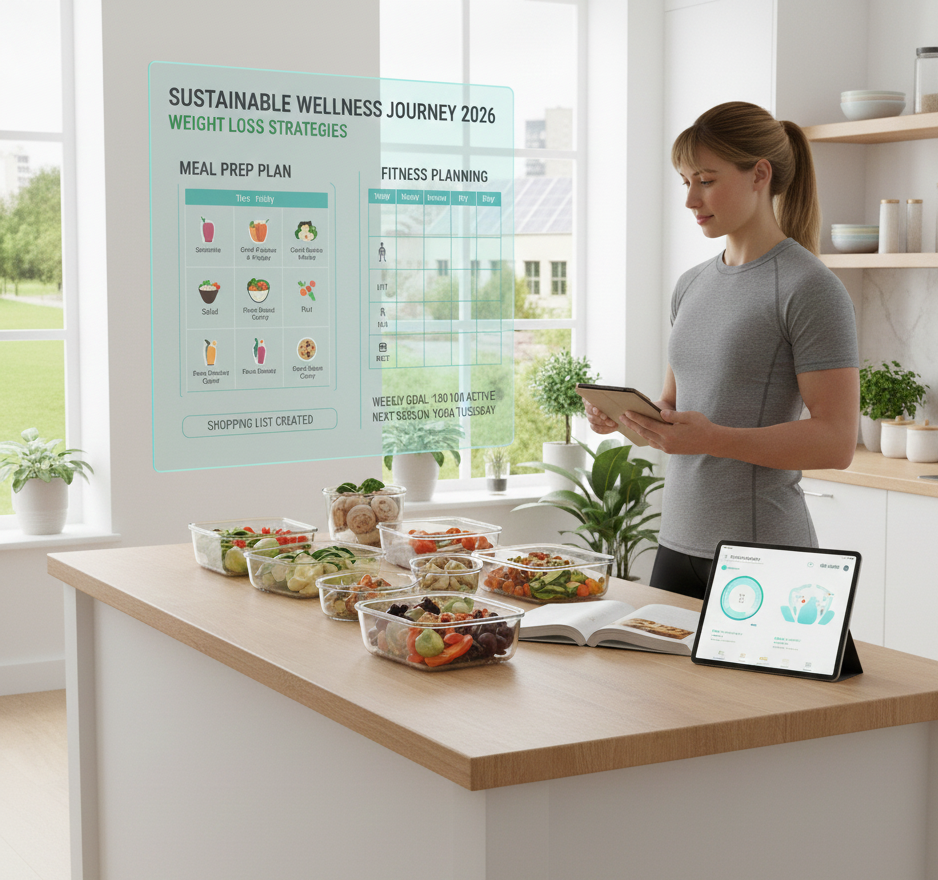
Why Most Weight Loss Attempts Fail Within 90 Days
The typical approach to weight loss follows a predictable script: slash calories dramatically, eliminate favorite foods, exercise daily despite exhaustion. For a few weeks, the scale moves downward. Then it stops. Hunger intensifies. Energy plummets. Eventually, you eat normally again—and the weight returns, often exceeding the starting point.
This isn’t personal failure. Research published through the National Institutes of Health demonstrates that severe calorie restriction triggers metabolic adaptations designed to protect against starvation. Your body decreases thyroid hormone production, increases cortisol, and elevates ghrelin—the hormone that signals hunger. These aren’t minor adjustments; they represent powerful biological defenses that evolved over millions of years.
When you cut calories by 40-50%, your resting metabolic rate can drop by 20-30%. That’s significant. A person burning 2,000 calories daily might find that number falling to 1,400-1,600 with aggressive dieting. The math that worked initially stops working—which is why sustainable weight loss strategies 2026 emphasize gradual deficits that minimize metabolic adaptation.
The psychological toll compounds the biological challenges. Extreme restriction creates an unhealthy preoccupation with forbidden foods. Brain imaging studies show that when people severely limit certain foods, neural activity in reward centers intensifies when viewing those items. You’re literally training your brain to obsess over what you can’t have.

The Metabolic Reality of Weight Management
Understanding how your metabolism responds to weight loss helps explain why gentle calorie deficit plans for sustainable results outperform aggressive approaches. Your body regulates weight through complex hormonal systems involving leptin, ghrelin, insulin, thyroid hormones, and cortisol. These systems communicate constantly, adjusting appetite, energy expenditure, and fat storage based on available fuel.
Leptin, produced by fat cells, signals your brain about energy reserves. As you lose fat, leptin levels drop. Lower leptin tells your brain that energy stores are depleting, which triggers increased hunger and decreased energy expenditure. This mechanism protected our ancestors during periods of genuine scarcity. In modern contexts with abundant food, it makes sustained weight loss challenging.
Metabolic eating for weight loss beginners acknowledges these biological realities rather than fighting them. Instead of creating massive deficits that trigger strong counter-regulatory responses, smaller deficits allow gradual fat loss while minimizing metabolic adaptation. The Centers for Disease Control and Prevention recommends weight loss of 1-2 pounds weekly, which typically requires a daily deficit of 500-1,000 calories.
Research from the American Heart Association indicates that moderate calorie reduction combined with increased physical activity produces better long-term results than diet alone. This approach preserves lean muscle mass, which maintains metabolic rate better than losing weight through diet exclusively.
Core Sustainable Weight Loss Strategies 2026: Building Your Foundation
The sustainable weight loss strategies 2026 outlined here differ fundamentally from traditional diet approaches. These principles address both the biological and behavioral aspects of weight management.
Prioritize Protein Intake
Protein serves multiple critical functions in weight management. It increases satiety more effectively than carbohydrates or fats, helping you feel satisfied with fewer calories. Studies published through the National Center for Biotechnology Information show that increasing protein from 15% to 30% of daily calories can reduce overall food intake by several hundred calories daily without conscious restriction.
Protein also supports muscle maintenance during weight loss. When you create a calorie deficit, your body needs to make up that energy shortfall. It can break down fat or muscle. Adequate protein intake—roughly 0.7-1 gram per pound of body weight—combined with strength training signals your body to preserve muscle while prioritizing fat loss.
Additionally, protein has a higher thermic effect than other macronutrients. Your body expends more energy digesting and processing protein compared to carbs or fats. This doesn’t create a massive calorie burn, but over months, small advantages accumulate.
Emphasize Whole Food Sources
Ultra-processed foods—items with ingredients you wouldn’t find in a typical kitchen—dominate modern diets. These products are engineered for palatability and often combine fat, sugar, and salt in ratios that overwhelm natural satiety signals. Observational research suggests that people consuming predominantly whole foods naturally maintain healthier weights than those relying heavily on processed alternatives.
Whole foods provide greater satiety per calorie. Consider 200 calories of potato versus 200 calories of potato chips. The whole potato provides fiber, water, and resistant starch that promote fullness. The chips deliver concentrated calories with minimal satiety. You could easily consume 600 calories of chips in one sitting; eating 600 calories of plain potato would prove far more filling.
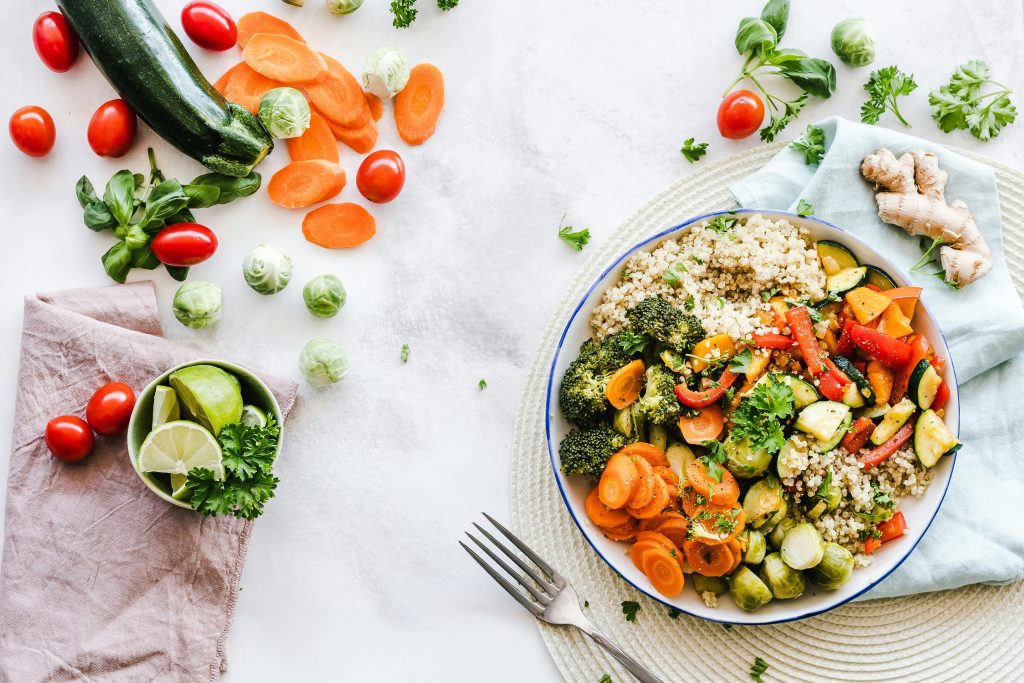
This doesn’t require eliminating processed foods entirely. Sustainability comes from balance—building meals primarily from whole ingredients while allowing flexibility for social occasions and personal preferences.
Create Consistent Eating Patterns
Your body operates on circadian rhythms that influence metabolism, digestion, and hormone release. Eating at roughly consistent times daily helps regulate these rhythms. When meal timing varies dramatically, it can disrupt hunger signals and energy patterns.
This doesn’t mean rigidly scheduled meals every day. It suggests general consistency—eating breakfast within a similar timeframe on weekdays, having dinner around the same evening hours. For people who find intermittent fasting sustainable, maintaining a consistent eating window provides similar benefits.
Sustainable Weight Loss Strategies 2026: Designing Your Nutrition Approach
Rather than following rigid meal plans, sustainable weight loss strategies 2026 focus on building eating patterns you can realistically maintain for years, not just weeks.
Start With Your Current Eating Habits
Examining what you currently eat provides valuable insights. Track your intake for one week without changing anything. This isn’t about judgment—it’s about gathering data. Many people discover they consume more calories than estimated, often from beverages, condiments, or unconscious snacking.
After establishing your baseline, identify the highest-leverage changes. If you regularly drink sugary beverages, switching to water or unsweetened alternatives might eliminate 300-500 daily calories. If you rarely eat vegetables, adding them to meals increases nutrient density and satiety without dramatically increasing calories.
Build Meals Around Protein and Vegetables
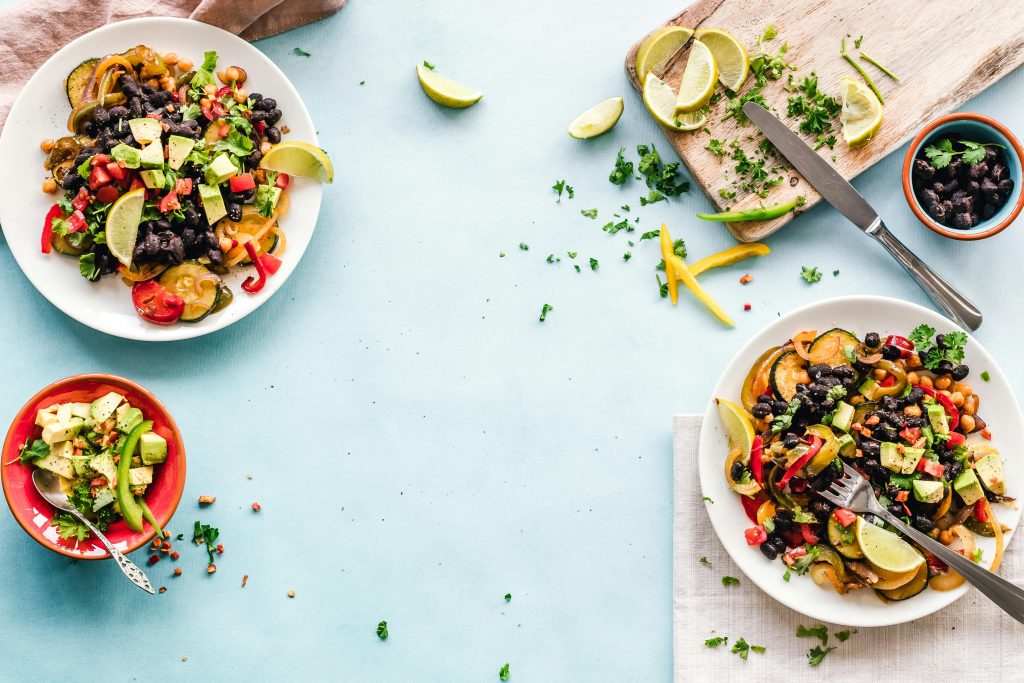
A simple framework helps guide food choices without complex tracking: structure each meal around a protein source and non-starchy vegetables. The protein could be chicken, fish, eggs, legumes, tofu, or Greek yogurt. Vegetables provide fiber, micronutrients, and volume.
Add whole grain starches or starchy vegetables in portions appropriate to your activity level. More active individuals generally tolerate more carbohydrates while maintaining weight loss progress. Include healthy fats from sources like olive oil, nuts, avocados, or fatty fish.
This approach naturally emphasizes nutrient-dense foods while allowing flexibility in specific choices. You’re not following a prescribed menu—you’re applying principles that guide food selection.
Address Psychological Hunger vs. Physical Hunger
Learning to distinguish genuine physical hunger from emotional or habitual eating represents a crucial skill. Physical hunger builds gradually, can be satisfied with various foods, and creates physical sensations like stomach growling or low energy. Emotional hunger often appears suddenly, craves specific comfort foods, and persists even after eating.
When you notice hunger, pause briefly. Rate the intensity from 1-10. Ask whether you’re physically hungry or responding to stress, boredom, or habit. This doesn’t mean never eating for emotional reasons—it means becoming aware of patterns so you can address them consciously.
Movement Strategies That Support Fat Loss Without Burnout
When integrating movement into your sustainable weight loss strategies 2026, prioritize activities that preserve muscle mass.Within sustainable weight loss strategies 2026, exercise plays a supporting role—creating the calorie deficit through nutrition proves more efficient than through exercise alone. However, physical activity provides numerous benefits that support sustainable weight management.
Prioritize Strength Training
Resistance training delivers multiple advantages for weight loss. It builds or maintains muscle mass, which keeps your metabolic rate higher than losing weight through diet and cardio alone. Muscle tissue burns more calories at rest than fat tissue, though the difference is smaller than commonly claimed.
More importantly, strength training improves insulin sensitivity, bone density, and functional capacity. These benefits become increasingly valuable with age. The American College of Sports Medicine recommends resistance training at least twice weekly, targeting all major muscle groups.
You don’t need a gym membership to strength train effectively. Bodyweight exercises, resistance bands, or a set of dumbbells provide sufficient stimulus for most people starting their fitness journey.
Include Regular Walking
Walking offers an accessible, low-impact activity that almost everyone can incorporate. Research tracking physical activity patterns shows that individuals who maintain significant weight loss typically accumulate 60-90 minutes of moderate activity daily. Much of this comes from walking.
Walking doesn’t burn massive calories per minute, but it’s sustainable for longer durations than intense exercise. A 30-60 minute walk might burn 150-300 calories depending on your weight and pace. More importantly, regular walking improves cardiovascular health, manages stress, and provides time away from environments that trigger overeating.
Add Higher-Intensity Work Gradually
Once you’ve established a foundation of regular movement, adding higher-intensity exercise can accelerate progress. High-intensity interval training (HIIT), vigorous cycling, swimming, or running increase cardiovascular fitness and can create larger calorie deficits in shorter timeframes.
However, jumping directly into intense exercise when you’re not conditioned for it increases injury risk and burnout probability. Build gradually. If you’re currently sedentary, start with walking. After several weeks of consistency, add some hills or increase pace. Eventually introduce more vigorous activities as your fitness improves.
Tracking Progress Beyond the Scale
Accurate measurement is critical when assessing the effectiveness of sustainable weight loss strategies 2026.The number on the scale provides one data point, but it doesn’t capture the complete picture of your progress. Weight fluctuates daily based on water retention, sodium intake, hormone cycles, digestive contents, and glycogen storage. These fluctuations can obscure actual fat loss trends.
Use Multiple Metrics
Track measurements around your waist, hips, chest, and thighs monthly. Fat loss often appears in measurements before scale weight drops significantly, especially if you’re building muscle simultaneously. Progress photos taken in similar lighting and positions provide visual evidence of changes your eyes might miss when you see yourself daily.
Monitor performance improvements: increased walking endurance, heavier weights lifted, better sleep quality, more stable energy throughout the day. These indicators reflect improved health regardless of whether the scale moved that week.
Expect Non-Linear Progress
Weight loss doesn’t follow a smooth downward trajectory. You might lose 2 pounds one week, gain 1 pound the next (due to water retention), then lose 3 pounds the following week. Looking at monthly trends provides more meaningful information than weekly fluctuations.
Most people experience plateaus where weight remains stable for 2-4 weeks despite continued adherence to their plan. This doesn’t necessarily indicate a problem. Your body may be adjusting to its new weight, rebalancing hormones, or retaining water to repair muscle tissue. Patience during these phases distinguishes sustainable approaches from crash diets that abandon the plan at the first plateau.

Addressing the Psychological Dimensions of Eating
Sustainable weight loss strategies 2026 recognize that long-term success requires addressing the psychological dimensions of eating, moving beyond the diet mentality that labels foods as “good” or “bad” and promotes all-or-nothing thinking.
Challenge Binary Thinking
- 30-day tracker for 5 core habits
- Plate guide and hunger check
- Weekly check-ins and grocery list
Instant download • 100% free • No email required
The diet mentality creates false dichotomies: you’re either “on” or “off” a diet, “good” or “bad” with your eating. This framework sets up a cycle where small deviations feel like complete failures, often triggering further overeating because “you already ruined it.”
Sustainable approaches recognize that eating exists on a spectrum. Some meals will be more nutritious and aligned with your goals; others will be less so. Neither defines your entire approach. One indulgent meal doesn’t undo weeks of consistent effort, just as one nutritious meal doesn’t offset weeks of poor choices.
Develop Strategies for Challenging Situations
Certain situations consistently challenge weight management efforts: social gatherings centered around food, high-stress periods, holidays, travel. Rather than hoping willpower will prevail, develop specific strategies for these predictable challenges.
Before attending events with abundant food, eat a protein-rich snack so you arrive satisfied rather than ravenous. At restaurants, scan the menu beforehand to identify options aligned with your goals, reducing impulsive decisions. During stressful periods, have non-food coping mechanisms readily available—walking, calling a friend, engaging in a hobby.
Recognize and Address Emotional Eating
Using food for comfort or stress relief represents a learned behavior, not a character flaw. Most people occasionally eat for reasons beyond physical hunger. Problems arise when food becomes the primary or only coping mechanism for difficult emotions.
When you notice yourself reaching for food when not physically hungry, pause and identify the actual trigger. Are you stressed about work? Bored? Lonely? Tired? Once you’ve identified the underlying feeling, consider alternative responses that address it more directly.
This takes practice. You won’t perfectly implement it initially, and that’s expected. The goal isn’t perfection but gradual improvement in awareness and alternative coping strategies.
Common Obstacles and Practical Solutions
Even with well-planned sustainable weight loss strategies 2026, weight loss plateaus can occur.Despite good intentions and solid strategies, predictable obstacles emerge during weight loss journeys.
Weight Loss Plateaus
After consistent progress, weight loss may stall despite continued adherence to your plan. This frustrates many people and prompts dramatic measures like further calorie cuts or excessive exercise. However, plateaus often resolve with patience rather than intervention.
Several factors contribute to plateaus. As you lose weight, your body requires fewer calories for maintenance, so the deficit that initially produced weight loss may no longer be sufficient. Additionally, metabolic adaptation can slow your metabolic rate slightly beyond what’s expected from weight loss alone.
Before making significant changes, verify you’re tracking accurately. As you become more comfortable with your eating plan, portion sizes can gradually increase without conscious awareness. Weighing and measuring food for one week provides data on whether you’re eating what you think you’re eating.
If you’ve genuinely plateaued for 4+ weeks with accurate tracking, small adjustments can help. Increase protein slightly, add more movement to your daily routine, or create a marginally larger deficit through modest portion reductions.
Managing Cravings
Effective sustainable weight loss strategies 2026 address biological cravings rather than relying purely on willpower.Intense food cravings challenge even well-established habits. While cravings never disappear entirely, their intensity and frequency typically decrease as you adapt to new eating patterns.
When cravings strike, first ensure you’re eating adequate calories overall and sufficient protein and fiber at meals. Severe restriction often intensifies cravings. If you’re eating appropriately, allow yourself moderate portions of craved foods rather than complete restriction, which often leads to eventual overindulgence.

Sometimes cravings signal dehydration, fatigue, or boredom rather than genuine food desire. Drinking water, taking a brief walk, or engaging in an absorbing activity can reduce craving intensity. If the craving persists after 15-20 minutes, having a reasonable portion of the desired food often proves more sustainable than white-knuckling through it.
Social Pressure and Food Pushers
Family members or friends sometimes undermine weight loss efforts, whether through genuine concern (“You’re getting too thin!”), resentment, or simple social customs around sharing food. These interactions require clear, respectful boundaries.
Prepare simple responses: “I appreciate your concern, but I feel good about my current approach” or “Thanks for offering, but I’m satisfied right now.” You don’t owe anyone detailed explanations about your eating choices.
If someone persistently pushes food after you’ve declined, recognize that their discomfort with your choices reflects their issues, not a problem with your boundaries. Maintain consistency in your responses without over-explaining.
Maintaining Weight Loss After Reaching Your Goal
Long-term maintenance represents the ultimate goal of sustainable weight loss strategies 2026.Successful weight loss represents just one phase of a longer journey. Maintenance—sustaining your new weight long-term—requires continued attention, though typically less intensive than the active loss phase.
Data from the National Weight Control Registry, which tracks individuals who’ve maintained significant weight loss for years, reveals common characteristics among successful maintainers. They continue monitoring their weight regularly, maintain high levels of physical activity (roughly 60 minutes daily), eat breakfast consistently, and sustain vigilance around portion sizes and food choices.
Maintenance doesn’t mean perfection. Your weight will fluctuate within a range—typically 3-5 pounds in either direction. Establishing a threshold that triggers intervention prevents small gains from becoming larger regain. If your weight rises 5 pounds above your maintenance range, implement the strategies that initially worked for weight loss until you’re back within your target range.
The skills developed during weight loss—meal planning, regular activity, stress management, tracking—become the foundation for lifelong maintenance. As these behaviors become more automatic, they require less conscious effort, though some degree of ongoing attention remains necessary.
Sustainable Weight Loss Strategies 2026: Building a Supportive Lifestyle
Sustainable weight loss strategies 2026 ultimately extend beyond nutrition and exercise to encompass lifestyle factors that influence weight regulation.
Prioritize Adequate Sleep
Sleep deprivation disrupts hormones regulating hunger and fullness. Research published by the National Institutes of Health shows that sleeping fewer than 7 hours nightly increases ghrelin (hunger hormone) and decreases leptin (satiety hormone). This hormonal shift can increase appetite by several hundred calories daily.
Poor sleep also impairs decision-making and reduces motivation for healthy behaviors. When exhausted, you’re more likely to skip planned exercise and choose convenient processed foods over meal preparation.
Manage Chronic Stress
Sustained stress elevates cortisol, which can promote abdominal fat storage and increase cravings for highly palatable foods. While you can’t eliminate stress, developing effective management strategies helps minimize its impact on your weight.
Regular physical activity, adequate sleep, social connection, and relaxation practices (meditation, deep breathing, yoga) all help buffer against stress’s physiological effects. Identify which approaches resonate with you and implement them consistently rather than only during crisis periods.
Build a Supportive Environment
Sustainable weight loss strategies 2026 emphasize that your physical and social environments significantly influence eating behaviors. If your kitchen contains primarily nutrient-dense whole foods, healthy choices become the default. If it’s stocked with chips, cookies, and ice cream, you’ll need to actively resist temptation repeatedly—a mentally exhausting process.
Similarly, surrounding yourself with people who support your health goals makes maintenance easier. This doesn’t require abandoning friends who eat differently, but it does mean cultivating relationships with people who respect your choices and ideally share similar health priorities.
Moving Forward: Your Next Steps
Sustainable weight loss strategies 2026 don’t require perfection, extreme measures, or heroic willpower. They require consistency with evidence-based strategies that work with your biology rather than against it. The approaches outlined here—moderate calorie deficits, adequate protein, regular movement, behavioral awareness—might seem less dramatic than crash diets promising rapid transformation. However, they’re the methods that people still follow years after starting, maintaining their weight loss rather than regaining it.
Start by identifying one or two high-leverage changes you can implement immediately. Perhaps that means adding protein to breakfast, walking 20 minutes daily, or tracking your food intake for increased awareness. Build from there gradually, adding new habits as previous ones become established.
Remember that how to lose weight sustainably without crash diets isn’t about finding the perfect program—it’s about discovering what works specifically for your life circumstances, preferences, and challenges. The best plan is the one you’ll actually follow long-term, not the one that sounds most impressive or produces the fastest initial results.
Weight management is a marathon, not a sprint. The strategies that succeed over months and years look quite different from those that work for a few weeks. Choose approaches you can genuinely maintain, and give yourself permission to adjust as you learn what works best for you.
Frequently Asked Questions About Sustainable Weight Loss
How much weight can I realistically lose per month?
Realistic weight loss typically ranges from 4-8 pounds monthly, or 1-2 pounds weekly. This pace aligns with sustainable weight loss strategies 2026, which prioritize fat loss while minimizing muscle loss and metabolic adaptation. Heavier individuals may lose weight faster initially, while those closer to healthy weights may see slower progress. Extremely rapid weight loss usually involves significant water and muscle loss, not just fat.
Do I need to count calories to lose weight?
Calorie awareness helps many people, but precise counting isn’t mandatory. Some individuals successfully lose weight by focusing on food quality (whole foods, adequate protein, abundant vegetables) and using hunger/fullness cues rather than specific calorie targets. However, if progress stalls, tracking intake for a week or two often reveals helpful patterns.
Can I lose weight without exercise?
Yes, weight loss primarily results from calorie deficit, which you can create through diet alone. However, exercise provides substantial benefits: it preserves muscle mass during weight loss, improves insulin sensitivity, enhances mood and energy, and supports long-term maintenance. Most successful long-term weight maintainers incorporate regular physical activity.
What if I have medical conditions affecting weight?
Certain conditions (hypothyroidism, polycystic ovary syndrome, insulin resistance) and medications (some antidepressants, antipsychotics, steroids) can make weight loss more challenging by affecting metabolism or increasing appetite. These conditions don’t make weight loss impossible but may require working with healthcare providers to optimize treatment while implementing sustainable weight loss strategies.
How do I handle weight loss plateaus?
Plateaus are normal and don’t necessarily indicate a problem. First, verify you’re tracking food intake accurately—portions often increase gradually without awareness. If tracking is accurate and you’ve plateaued for 4+ weeks, small adjustments help: slightly reduce portions, increase daily movement, or add more protein. Avoid dramatic calorie cuts or excessive exercise, which often backfire.
Should I try intermittent fasting?
Intermittent fasting works well for some people and poorly for others. It’s one tool for creating a calorie deficit, not inherently superior to other approaches. If limiting eating to specific time windows helps you control intake without feeling deprived, it may support your goals. If it makes you irritable, increases binge eating, or feels unsustainable, other approaches will serve you better. The best eating pattern is one you can maintain consistently.
References and Further Reading
This article synthesizes information from multiple authoritative sources on weight management and metabolic health:
- National Institutes of Health (NIH) – Research on metabolic adaptation and weight loss biology
- Centers for Disease Control and Prevention (CDC) – Recommendations for healthy weight loss rates
- American Heart Association – Guidelines on nutrition and physical activity for weight management
- National Weight Control Registry – Long-term weight maintenance research
- American College of Sports Medicine – Exercise recommendations for health and weight management
For personalized guidance on sustainable weight loss strategies 2026 aligned with your specific health circumstances, consult with registered dietitians, certified personal trainers, or healthcare providers who specialize in weight management.
External Link Recommendation Table
| Source / Website | Anchor Text | Purpose |
|---|---|---|
| Centers for Disease Control and Prevention (CDC) | Steps for Losing Weight | Official federal guidance on setting a gradual, sustainable weight-loss pace. |
| American Heart Association | American Heart Association Recommendations for Physical Activity in Adults and Kids | Evidence-based activity minutes referenced in the movement section above. |
| National Institute of Diabetes and Digestive and Kidney Diseases (NIDDK / NIH) | Understanding Adult Overweight & Obesity | Background on the health risks and biology this guide’s metabolic explanations are built on. |
Related Guides on FitnessDaily
| Guide | Why Read Next |
|---|---|
| Metabolic Eating for Weight Loss: Sync With Your Body’s Natural Rhythms | Expands on the metabolic adaptation concepts covered above with a practical eating framework. |
| 30 High-Fiber Foods for Weight Loss | A practical food list that supports the whole-food, protein-and-vegetable framework discussed here. |
| High Protein Snacks for Weight Loss | Specific snack options that support the protein-prioritization strategy above. |
| How Your Gut Health Impacts Weight Loss | Covers an additional metabolic factor not detailed in this guide. |
Recommended Gear
Affiliate Disclosure: This section contains affiliate links. If you purchase through these links, we may earn a commission at no extra cost to you.| Product | Why It’s Relevant | Link |
|---|---|---|
| Digital kitchen food scale | Supports the one-week baseline tracking method described in this guide. | View options on Amazon |
| Resistance band set | A low-cost way to add the strength training this guide recommends at home. | View options on Amazon |
| Adjustable dumbbells | Alternative equipment for the strength-training component discussed above. | View options on Amazon |
| Walking pad / under-desk treadmill | Supports the daily walking target mentioned in the movement section. | View options on Amazon |
- 30-day tracker for 5 core habits
- Plate guide and hunger check
- Weekly check-ins and grocery list
Instant download • 100% free • No email required