

Affiliate Disclosure: This article contains affiliate links. If you purchase through these links, we may earn a commission at no additional cost to you. We only recommend products that align with sustainable fitness practices.
The walking pad workout for weight loss has transformed how remote workers and busy professionals approach daily movement. According to the American Heart Association, walking remains America’s most popular form of exercise, and now you can do it without leaving your home office.
If you’re among the millions working from home, you’ve likely experienced the challenge of maintaining physical activity while managing deadlines and video calls. The sedentary nature of remote work contributes to what the Mayo Clinic calls “sitting disease”—a cluster of health issues including obesity, increased blood pressure, and elevated blood sugar levels.
A walking pad workout for weight loss offers a practical solution. These compact treadmills slip under your desk, allowing you to accumulate thousands of steps while responding to emails, attending meetings, or analyzing spreadsheets. This isn’t just convenient—it’s a sustainable approach to consistent daily movement.
What Exactly Is a Walking Pad and Why It Matters
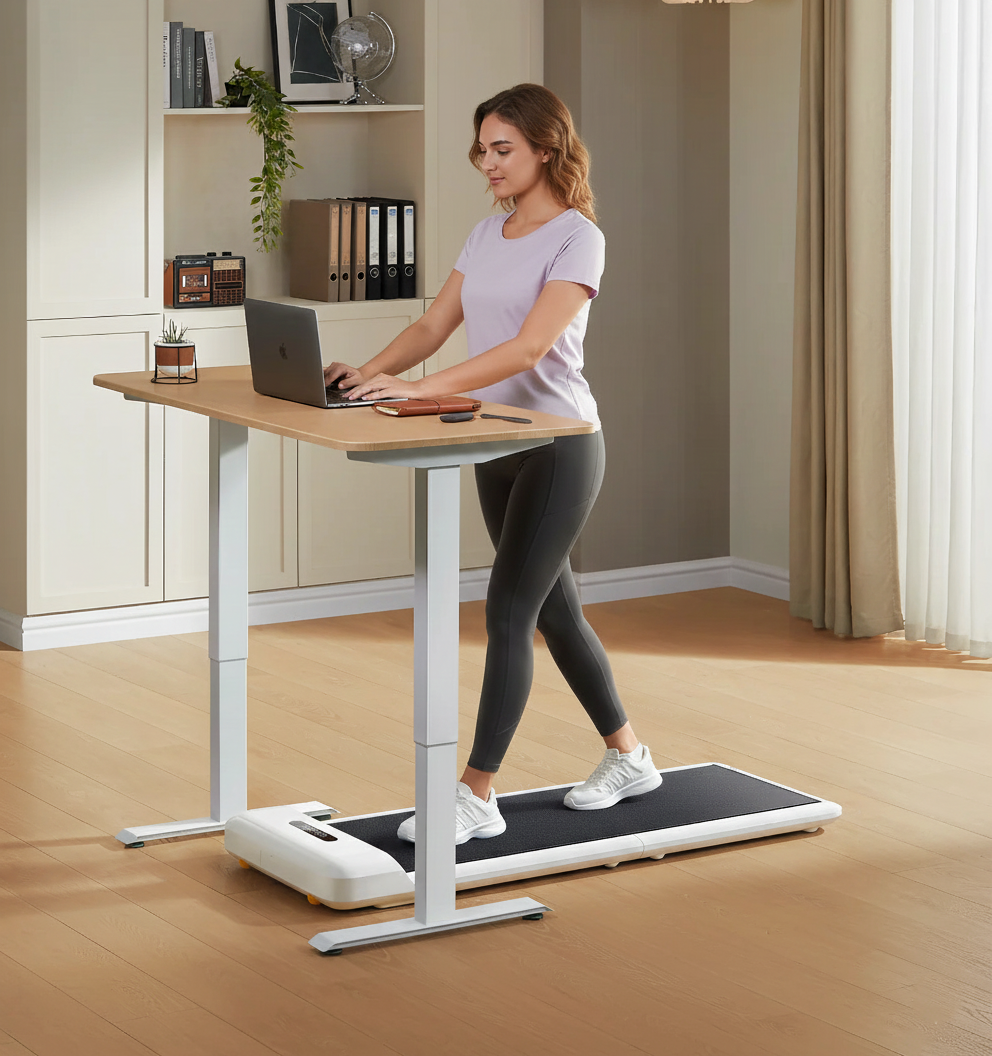
A walking pad is a compact, portable treadmill designed specifically for walking rather than running. Unlike traditional treadmills that dominate living space, walking pads typically measure just 4-5 feet in length and can slide under furniture when not in use.
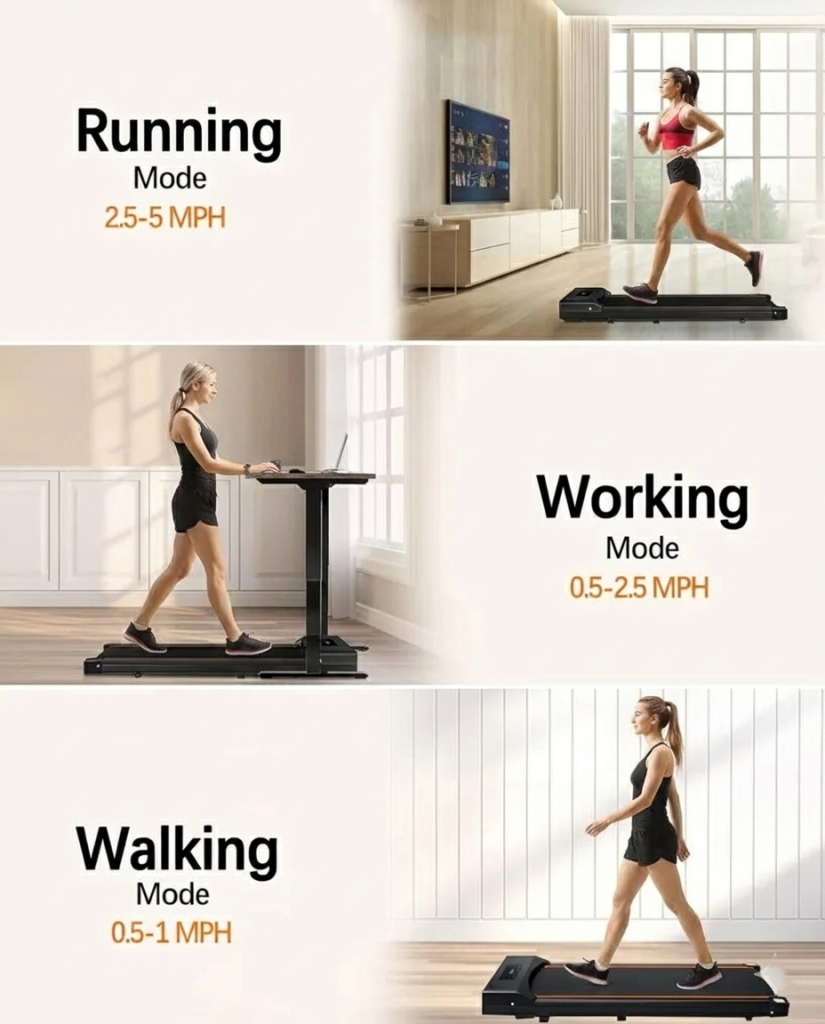
The design philosophy centers on accessibility and consistency. Most walking pads operate at speeds between 0.5 to 4 miles per hour—perfect for multitasking while moving. They’re quieter than conventional treadmills, won’t disturb your household or neighbors, and require minimal setup.
What makes a walking pad workout for weight loss particularly effective is the principle of Non-Exercise Activity Thermogenesis (NEAT). Research published in the Obesity Journal demonstrates that small increases in daily movement can burn an additional 300-500 calories per day without formal exercise sessions.
Consider this: walking at 2 miles per hour for just four hours during your workday covers 8 miles. That translates to approximately 400-600 calories burned, depending on your body weight—all while completing regular work tasks.
The Science Behind Walking Pad Workouts for Weight Loss
Understanding how a walking pad workout for weight loss contributes to results helps you stay consistent through challenging weeks.
Your body burns calories through three primary mechanisms: basal metabolic rate, the thermic effect of food, and physical activity. Walking pad workouts specifically target that third category while potentially boosting metabolism throughout the day.
When you engage in a walking pad workout for weight loss, your body utilizes stored fat as fuel, especially during longer, moderate-intensity sessions. Research from the National Institutes of Health shows that walking at a moderate pace (2-3 mph) predominantly burns fat, making it ideal for sustainable weight management.

The metabolic benefits extend beyond the workout itself. Regular walking improves insulin sensitivity, helping your body process sugars more efficiently. It also triggers the release of hormones that suppress appetite and increase feelings of fullness, naturally supporting weight loss efforts.
What happens physiologically during a walking pad workout:
Your heart rate elevates to approximately 50-70% of maximum, placing you in the fat-burning zone. Blood circulation increases, delivering oxygen and nutrients to working muscles while removing metabolic waste products. Your lymphatic system, which requires movement to function optimally, begins clearing toxins more effectively.
The consistent, low-impact nature of walking also protects joints while building lean muscle tissue in legs, glutes, and core. Muscle tissue burns more calories at rest than fat tissue, creating a compounding effect on metabolism over time.
Choosing the Right Walking Pad for Your Weight Loss Journey
Not all walking pads deliver equal results for a walking pad workout for weight loss. Several factors determine whether a walking pad will support your goals or collect dust in the corner.
Weight capacity matters more than you might think. Select a model rated at least 50 pounds above your current weight to ensure stability and longevity. Most quality walking pads support 220-300 pounds comfortably.
Motor power directly impacts performance consistency. Look for motors rated at 2.0 HP or higher for continuous use. Underpowered motors struggle with extended sessions, potentially shortening the device’s lifespan.
Walking surface dimensions affect comfort and safety. The belt should measure at least 16 inches wide and 40 inches long, providing adequate space for a natural stride. Cramped walking surfaces force awkward gaits that can lead to joint strain.
Speed range determines workout versatility. For weight loss, you’ll want a walking pad that operates smoothly between 0.5 and 4 mph. This range allows gentle warm-ups, steady fat-burning paces, and occasional intervals.
Noise levels become critical if you share living space or plan to use your walking pad during calls. Quality models produce less than 60 decibels at normal walking speeds—roughly equivalent to a normal conversation.

Display and controls should be intuitive and easily accessible. Remote controls allow speed adjustments without breaking stride, while clear displays help you track distance, time, speed, and estimated calories burned.
Portability features like built-in wheels and foldable designs make storage and repositioning effortless. If you’re short on space, prioritize compact models that slide under beds or stand upright against walls.
Price points vary dramatically, from $200 budget models to $800 premium units. For serious weight loss efforts, investing in the $400-600 range typically delivers the best balance of durability, features, and performance.
Essential Walking Pad Workout Routines for Maximum Weight Loss
Variety prevents plateaus and keeps your body adapting. These walking pad workout for weight loss routines target different aspects of fat burning while maintaining interest and challenge.
The Steady-State Fat Burner
This foundational walking pad workout for weight loss emphasizes consistency and duration over intensity. Set your walking pad to 2.5-3 mph and maintain this pace for 45-60 minutes.
The steady-state approach maximizes fat oxidation by keeping your heart rate in the optimal zone (50-65% of maximum) where your body preferentially burns stored fat for fuel. It’s also psychologically sustainable—you can easily work, read, or watch content while walking.
Start with 30-minute sessions if you’re new to walking pad workouts. Add 5 minutes weekly until you reach 60 minutes. Track your progress by monitoring total distance covered; improvement indicates enhanced cardiovascular fitness and increased calorie burn.

The Interval Power Walk
High-intensity interval training (HIIT) principles apply effectively to walking pad workouts, creating significant calorie burn in shorter timeframes.
Begin with a 5-minute warm-up at 2 mph. Then alternate between 2 minutes at 3.5-4 mph and 1 minute at 2 mph. Repeat this cycle 8-10 times, followed by a 5-minute cool-down.
This walking pad workout for weight loss triggers excess post-exercise oxygen consumption (EPOC), meaning your body continues burning elevated calories for hours after finishing. Studies show interval training can burn 25-30% more calories than steady-state cardio of equivalent duration.
The Incline Challenge
If your walking pad features incline settings, leverage them for dramatically increased calorie expenditure. Walking at even a 5% incline can boost calorie burn by 50% compared to flat walking at the same speed.
Structure your incline walking pad workout progressively: 5 minutes flat warm-up, 10 minutes at 3% incline, 10 minutes at 5% incline, 10 minutes at 7% incline, then reverse the sequence. This pyramid approach prevents excessive fatigue while maximizing lower body engagement.
Incline walking particularly targets glutes, hamstrings, and calves, building lean muscle that elevates resting metabolic rate.
The Multi-Tasking Marathon
This approach integrates a walking pad workout for weight loss seamlessly into your daily routine. Simply commit to walking at 1.5-2 mph whenever you’re engaged in seated activities that don’t require precise physical coordination.
During phone calls, video meetings with camera off, podcast listening, or email processing, keep moving on your walking pad. While individual sessions may seem modest, accumulating 3-4 hours of movement daily generates 300-500 additional calories burned.
This strategy excels for busy professionals who struggle finding dedicated workout time. It transforms previously sedentary hours into active calorie-burning opportunities.
The Evening Wind-Down Walk
Gentle evening walking pad workouts support weight loss through stress reduction and improved sleep quality. Both factors significantly impact hormones that regulate appetite and fat storage.
After dinner, spend 20-30 minutes walking at a comfortable 2-2.5 mph pace. This aids digestion, lowers cortisol levels, and creates a buffer between daytime stress and bedtime relaxation.
Research indicates that consistent evening physical activity improves sleep duration and quality, which correlates with better weight management outcomes and reduced cravings for high-calorie foods.
Maximizing Calorie Burn: Advanced Walking Pad Techniques
Once you’ve established a consistent walking pad workout for weight loss routine, these advanced techniques can accelerate results without requiring additional time investment.
Form optimization starts with posture. Maintain an upright spine, engage core muscles, and allow arms to swing naturally. This full-body engagement increases calorie expenditure by 5-10% compared to slouched walking.
Speed variations within single sessions keep metabolism elevated. Rather than maintaining constant pace, fluctuate between your comfortable speed and 0.5 mph faster every 5 minutes. These micro-intervals prevent adaptation and maintain higher average calorie burn.
Weighted walking introduces additional resistance that amplifies calorie expenditure. Wearing a weighted vest (5-10% of body weight) or holding light hand weights (2-3 pounds) while walking can increase energy expenditure by 15-20%.
However, avoid ankle weights, which alter natural gait patterns and may stress knee joints. Similarly, don’t carry weights exceeding 5 pounds in each hand, as excessive arm weights can cause shoulder strain.
Backward walking activates different muscle groups and challenges balance, increasing caloric demand. Spend 2-3 minutes walking backward (at very slow speeds, 0.5-1 mph) for every 10 minutes forward. This technique particularly engages quadriceps and improves proprioception.
Mind-muscle connection enhances workout effectiveness even at steady paces. Consciously focus on squeezing glutes with each step, engaging core, and driving through heels. This intentional muscle activation elevates calorie burn and builds strength simultaneously.
Creating Your Personalized Walking Pad Weight Loss Schedule
Consistency trumps intensity for sustainable weight loss. Your walking pad workout for weight loss schedule should align with your lifestyle, energy patterns, and weight loss timeline.
For aggressive weight loss (1.5-2 pounds weekly), aim for 60-90 minutes daily across multiple sessions. Split this into a 45-minute morning session and two 15-20 minute afternoon sessions, or three 30-minute sessions spaced throughout the day.
For moderate weight loss (0.5-1 pound weekly), target 45-60 minutes daily. This might look like a 30-minute morning walk and 20-minute evening session, or a single 60-minute mid-day workout.
For weight maintenance and general health, 30-45 minutes most days suffices. Focus on consistency over duration, prioritizing 5-6 days weekly rather than sporadic longer sessions.

Sample weekly schedules might include:
Monday: 60-minute steady-state walk at 2.5 mph (morning), 15-minute interval walk (afternoon)
Tuesday: 45-minute incline pyramid workout
Wednesday: 30-minute multi-tasking walk (during work calls), 30-minute evening walk
Thursday: 60-minute steady-state walk with podcast or audiobook
Friday: 40-minute interval workout
Saturday: 75-minute leisure-pace walk while watching favorite show
Sunday: 30-minute gentle recovery walk or rest day
Adjust this framework based on your schedule constraints, but protect your walking pad time as consistently as important meetings. Results emerge from accumulated consistency, not occasional heroic efforts.
Nutrition Strategies to Amplify Walking Pad Weight Loss Results
A walking pad workout for weight loss creates a caloric deficit, but nutrition determines whether that deficit translates into sustainable fat loss or metabolic slowdown.
Protein Prioritization
Protein preserves lean muscle during weight loss. Aim for 0.7-1 gram of protein per pound of body weight daily, emphasizing meals immediately after walking pad workouts when muscles are primed for nutrient uptake.
Hydration Timing
Hydration affects both workout performance and appetite regulation. Drink 16-20 ounces of water 30 minutes before walking pad sessions, sip during longer workouts, and consume another 16-20 ounces afterward. Proper hydration supports fat metabolism and often reduces false hunger signals.
Pre-Workout Fueling
Pre-workout fueling for walking pad sessions differs from high-intensity training. Since walking predominantly burns fat, you don’t need significant pre-workout carbohydrates. A small protein-based snack (Greek yogurt, hard-boiled egg, or protein shake) 30-60 minutes before longer sessions prevents muscle breakdown without interfering with fat burning.
Post-Workout Nutrition
Post-workout nutrition should emphasize protein and moderate carbohydrates. A balanced meal within 60-90 minutes supports recovery and prevents excessive hunger later. Good options include grilled chicken with sweet potato, salmon with quinoa, or a protein-rich smoothie with fruit.
Caloric Deficit Calculation
For sustainable weight loss, create a deficit of 500-750 calories daily through combined diet and walking pad workouts. This supports 1-1.5 pounds of fat loss weekly without triggering metabolic adaptation or extreme hunger.
Avoid excessive restriction. Eating too little while increasing walking pad workout volume risks muscle loss, hormonal disruption, and metabolic slowdown. Women should consume at least 1,200 calories daily; men at least 1,500 calories.
Tracking Progress Beyond the Scale

Scale weight fluctuates due to hydration, sodium intake, hormonal cycles, and muscle glycogen levels. Comprehensive progress tracking provides motivation during inevitable plateaus.
Body Measurements
Body measurements capture changes that scales miss. Measure waist circumference at belly button level, hip circumference at widest point, and thigh circumference mid-thigh. Record measurements every two weeks under identical conditions (same time of day, before eating).
Waist circumference reduction particularly indicates visceral fat loss—the metabolically harmful fat surrounding organs. Even without significant weight changes, decreasing waist measurements signal improved health markers.
Progress Photos
Progress photos reveal visual transformations that numbers can’t convey. Take front, side, and back photos in consistent lighting and clothing every two weeks. You’ll notice subtle changes in posture, muscle definition, and body composition that motivate continued effort.
Performance Metrics
Performance metrics from your walking pad demonstrate fitness improvements independent of weight loss. Track average walking speed, maximum comfortable duration, and total weekly distance. Progressive improvements indicate enhanced cardiovascular capacity and endurance.
Energy Levels and Mood
Energy levels and mood provide qualitative feedback about your walking pad workout for weight loss routine’s sustainability. If you feel energized and positive, you’ve found an appropriate balance. Persistent fatigue or mood deterioration suggests excessive training volume or inadequate recovery.
Resting Heart Rate
Resting heart rate measured first thing in the morning indicates improving cardiovascular fitness. As your heart becomes more efficient, resting heart rate typically decreases by 5-10 beats per minute over several months of consistent walking pad workouts.
Clothing Fit
Clothing fit offers practical, tangible feedback. Notice how pants fit in the waist, how shirts drape across shoulders, and whether you need smaller sizes. These real-world indicators matter more than arbitrary scale numbers.
Common Walking Pad Workout Mistakes and How to Avoid Them
Even straightforward walking pad workouts involve pitfalls that can limit results or cause injury. Awareness and correction of these mistakes accelerate progress.
Inadequate Warm-Up
Inadequate warm-up remains the most common error. Starting at full walking speed without preparation increases injury risk and reduces workout quality. Always begin at 1-1.5 mph for 3-5 minutes, gradually increasing to your target pace.
Inconsistent Routine
Inconsistent routine undermines results more than any other factor. Sporadic intense sessions followed by week-long breaks don’t trigger the adaptations that consistent moderate training produces. Prioritize frequency over duration—five 30-minute sessions trump two 75-minute sessions for weight loss.
Poor Posture
Poor posture reduces effectiveness and causes unnecessary strain. Common issues include hunching over the display, looking down constantly, or leaning on handrails. Maintain upright spine, look forward, and use rails only for balance during speed changes.
Ignoring Footwear Quality
Ignoring footwear quality seems minor until blisters or joint pain emerge. Invest in proper walking or running shoes with adequate cushioning and arch support. Replace shoes every 300-500 miles of walking, as worn footwear increases injury risk.
Multitasking Inappropriately
Multitasking inappropriately can lead to accidents. While walking pads enable productivity, certain activities demand too much attention. Avoid tasks requiring precise typing or reading fine print while walking. Save these for seated work periods.
Neglecting Progressive Overload
Neglecting progressive overload causes adaptation and plateaus. Your body quickly adjusts to consistent walking pad workouts, burning fewer calories for the same effort. Increase duration by 5-10% weekly, add slight incline increments, or incorporate brief speed bursts to maintain challenge.
Overtraining Syndrome
Overtraining syndrome develops when rest and recovery don’t match training volume. Symptoms include persistent fatigue, declining performance, mood changes, and increased illness susceptibility. If you experience these signs, reduce walking pad workout frequency or duration for one week.
Ignoring Pain Signals
Ignoring pain signals distinguishes between productive discomfort and harmful pain. Muscle fatigue and slight breathlessness indicate appropriate effort. Sharp pain, joint discomfort, or persistent aches signal problems requiring rest and possibly professional evaluation.
Combining Walking Pad Workouts with Strength Training
While a walking pad workout for weight loss excels for cardiovascular health and calorie burning, integrating strength training maximizes body composition changes and metabolic benefits.
Muscle tissue burns approximately 6 calories per pound daily at rest, compared to 2 calories per pound for fat tissue. Building lean muscle through strength training elevates resting metabolic rate, amplifying weight loss from walking pad workouts.
Timing Considerations
Timing considerations matter for optimal results. Perform strength training and walking pad workouts on the same day when possible, with strength training first. This approach preserves muscle glycogen for resistance exercises while allowing fat-burning walking afterward.
Alternatively, separate walking pad workouts and strength training to different days if recovery becomes challenging. Some individuals thrive on three days of strength training and five days of walking; others prefer daily walking with three alternating strength sessions.
Lower Body Strength Training
Lower body strength training complements walking pad workouts by building the exact muscles used during walking. Squats, lunges, deadlifts, and leg presses increase walking power and endurance while shaping legs and glutes.
Upper Body and Core Training
Upper body and core training balances physique development and improves posture during walking pad workouts. Strong core muscles stabilize your spine during walking, reducing fatigue and preventing lower back discomfort.
Compound Movements
Compound movements deliver maximum benefit in minimum time. Focus on exercises that engage multiple muscle groups: squats, deadlifts, bench presses, rows, and overhead presses. These movements create significant metabolic demand and support functional fitness.
Minimal Effective Dose
Minimal effective dose applies to strength training when weight loss is the primary goal. Two to three full-body strength sessions weekly, each lasting 30-45 minutes, provides substantial benefits without interfering with walking pad workout recovery.
Staying Motivated for Long-Term Walking Pad Success
Initial enthusiasm inevitably wanes as novelty fades and results plateau. These strategies maintain motivation through challenging periods.
Goal Evolution
Goal evolution keeps you engaged. Initial goals might focus on weight loss, but as you progress, shift emphasis toward performance (walking faster or longer), consistency (maintaining daily streaks), or new challenges (virtual races or step count competitions).
Environmental Optimization
Environmental optimization makes walking pad workouts more enjoyable. Position your walking pad near windows for natural light, invest in quality speakers or headphones for entertainment, and control temperature to prevent overheating.
Content Consumption
Content consumption transforms walking time into productive or entertaining experiences. Audiobooks, podcasts, educational videos, or favorite shows create positive associations with walking pad workouts. Reserve particular content exclusively for walking sessions, creating anticipation.
Social Accountability
Social accountability leverages human psychology effectively. Share goals with friends, join online walking communities, or recruit a walking buddy for virtual accountability. Regular check-ins and shared progress create external motivation when internal drive falters.
Reward Systems
Reward systems reinforce positive behaviors without sabotaging weight loss. Establish non-food rewards for milestones: new workout clothes at 30 days, massage after 60 days, or upgraded walking shoes at 90 days. These positive reinforcements strengthen habit formation.
Visual Progress Tracking
Visual progress tracking provides tangible motivation. Create charts, graphs, or calendars showing completed walking pad workouts. The satisfaction of maintaining streaks and watching progress accumulate creates momentum.
Mindset Reframing
Mindset reframing shifts perspective from obligation to opportunity. Rather than “I have to walk today,” adopt “I get to prioritize my health today.” This subtle language change reduces resistance and increases enjoyment.
Flexibility and Self-Compassion
Flexibility and self-compassion prevent all-or-nothing thinking. Missed workouts happen. Single imperfect days don’t erase weeks of progress. Resume your routine without guilt or compensatory overtraining. Consistency measured in months and years matters, not individual days.
The Future of Your Walking Pad Weight Loss Journey
Your walking pad workout for weight loss represents more than temporary weight management—it’s an investment in lifelong health, mobility, and vitality.
As you progress, you’ll notice improvements extending beyond the scale: increased energy throughout the day, better sleep quality, reduced stress levels, improved mood stability, and enhanced cognitive function. These benefits compound over time, improving quality of life in ways that outweigh simple weight changes.
The walking pad workout routine you establish now creates a foundation for sustainable fitness as you age. Unlike high-impact activities that become progressively challenging with age, walking remains accessible and beneficial throughout life. You’re building a habit that can serve you for decades.
Weight loss achieved through a walking pad workout for weight loss tends to be more sustainable than extreme dieting or intensive exercise programs. The moderate nature of walking prevents metabolic adaptation, muscle loss, and psychological burnout that often trigger weight regain.
Remember that transformation happens gradually, sometimes imperceptibly from day to day. Trust the process, maintain consistency, and allow accumulated small efforts to create remarkable results. Your walking pad workout for weight loss isn’t a sprint toward a finish line—it’s a sustainable lifestyle change that enhances every aspect of wellbeing.
Step onto your walking pad today, not tomorrow. Start with just 15 minutes if that’s all you can manage. The perfect routine is the one you’ll actually maintain, not the theoretical ideal you’ll never start. Your healthier, more energetic future self will thank you for taking that first step today.