

Affiliate Disclosure: This article contains affiliate links. If you purchase through these links, we may earn a commission at no extra cost to you. We only recommend products that align with sustainable fitness practices.
Beginner strength training for women transforms more than just your physique—it reshapes your entire relationship with fitness, confidence, and what your body can achieve. Despite persistent myths suggesting women should avoid weights, resistance training stands as one of the most effective tools for fat loss, bone health, and functional strength that carries into every aspect of daily life.
The hesitation many women feel around the weight room stems from outdated misconceptions. You won’t accidentally become bulky overnight. Your hormonal profile naturally limits excessive muscle growth while maximizing the benefits of lean, toned muscle development. Understanding this biological reality helps you approach beginner strength training for women with confidence rather than fear.
- One short workout a day, no equipment
- Active rest day and stretch day included
- Printable one-page plan with tips
Instant download • 100% free • No email required


Research from the American College of Sports Medicine confirms that women who incorporate resistance training experience significant improvements in body composition, metabolic rate, and bone density. These benefits extend far beyond aesthetics, directly impacting your quality of life as you age and your ability to maintain independence.
This comprehensive guide addresses the unique considerations women face when starting their strength training journey. From navigating gym intimidation to understanding proper form, from choosing appropriate weights to building sustainable routines—everything you need exists in these practical, science-backed strategies designed specifically for beginners.
Your beginner strength training for women journey begins with a single decision: choosing to invest in building a stronger, more capable version of yourself. Whether you’re lifting dumbbells at home or exploring gym equipment, the principles remain consistent and the results speak for themselves through improved energy, confidence, and physical capability.
Understanding Beginner Strength Training for Women: Breaking Through the Myths
The most persistent myth surrounding women’s strength training suggests that lifting weights creates bulky, overly muscular physiques. This misconception prevents countless women from experiencing strength training’s transformative benefits. Understanding the biological reality helps you approach resistance training with appropriate expectations and enthusiasm.
Women naturally produce significantly lower testosterone levels compared to men—approximately 15-20 times less according to research published in the Journal of Clinical Endocrinology & Metabolism. Testosterone serves as the primary hormone responsible for substantial muscle growth. This hormonal difference means women can train intensely without developing the extreme muscularity that concerns many beginners.
What beginner strength training for women actually produces is lean, defined muscle tone that enhances your natural physique. You’ll notice improved muscle definition, better posture, and a more sculpted appearance—not the bulky look associated with male bodybuilders who typically use performance-enhancing substances to achieve their size.
The “toned” look many women desire actually requires building muscle through resistance training while reducing body fat through proper nutrition. Endless cardio sessions alone won’t create this definition. Only strength training stimulates the muscle growth necessary for that sought-after toned appearance.
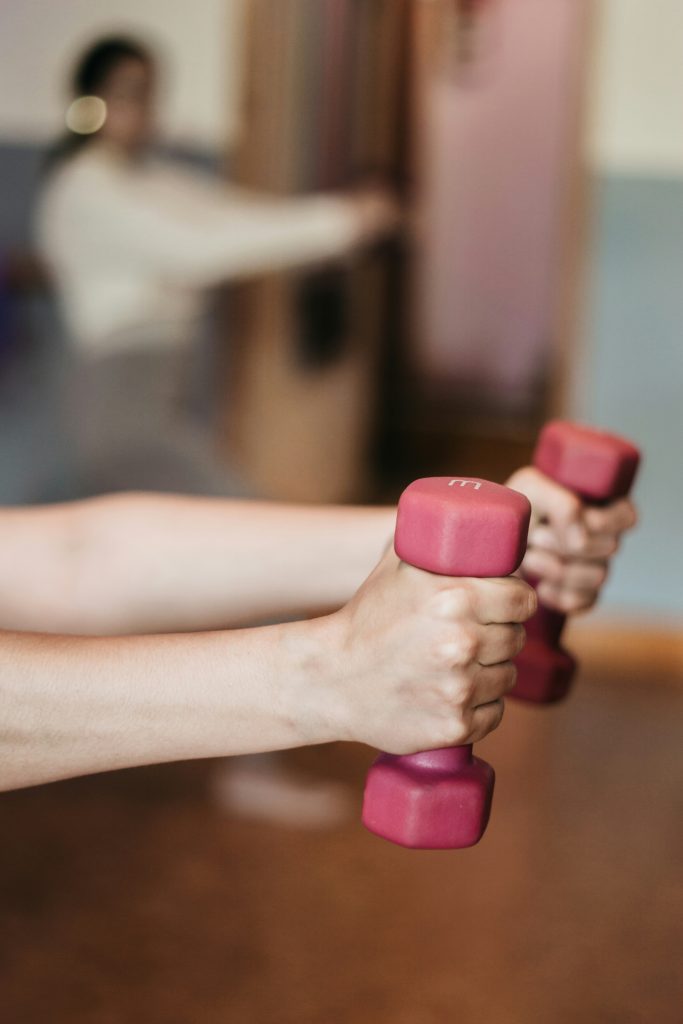
Another common misconception suggests that women should use extremely light weights for high repetitions to avoid building muscle. This approach severely limits your results and potential strength gains. Observed training patterns demonstrate that progressive overload—gradually increasing weight or resistance—proves essential for any meaningful physical adaptations, regardless of gender.
Women’s bodies respond remarkably well to strength training, often showing faster initial progress than men in relative strength gains. Beginners frequently experience rapid improvements during their first 3-6 months as their nervous systems adapt and become more efficient at recruiting muscle fibers.
The fear of becoming “too strong” also lacks logical foundation. Functional strength enhances every aspect of daily life—carrying groceries, playing with children, maintaining balance, preventing falls, and maintaining independence as you age. No one accidentally becomes too capable at living their life effectively.
Body image concerns sometimes manifest as resistance to strength training, with women worried about their bodies changing in unwanted ways. However, resistance training actually provides more control over your physique development compared to cardio alone. You can target specific muscle groups, create balanced proportions, and actively shape your body composition.
The Science-Backed Benefits of Beginner Strength Training for Women
Understanding the specific benefits of beginner strength training for women motivates consistent effort and helps you appreciate changes beyond simple aesthetics. These advantages impact your health, longevity, and quality of life in profound ways.
Bone Density Protection
Osteoporosis affects women at dramatically higher rates than men, particularly after menopause when estrogen levels decline. According to the National Osteoporosis Foundation, approximately one in two women over age 50 will break a bone due to osteoporosis. Strength training provides one of the most effective preventive measures.
Weight-bearing resistance exercises stimulate bone formation through mechanical stress. When muscles contract against resistance, they pull on bones, triggering cellular activity that builds new bone tissue. Analysis of longitudinal data shows that women who consistently perform resistance training maintain significantly higher bone mineral density compared to sedentary women.
The protective effects prove particularly important for spine, hip, and wrist bones—areas most vulnerable to osteoporotic fractures. Starting strength training in your 20s and 30s builds peak bone mass that serves as a protective reserve for later decades. Beginning at any age still provides benefits, with research showing bone density improvements even in women over 70.
Metabolic Rate Enhancement
Muscle tissue burns significantly more calories at rest compared to fat tissue. Each pound of muscle requires approximately 6 calories daily for maintenance, while fat tissue burns only 2 calories per pound. This metabolic advantage means beginner strength training for women creates a calorie-burning effect that continues 24/7.
Research published in the journal Obesity found that women who added strength training to their routine maintained higher resting metabolic rates compared to those who only performed cardiovascular exercise. This metabolic boost makes weight management easier long-term without requiring constant dietary restriction.
The “afterburn effect” or excess post-exercise oxygen consumption (EPOC) creates additional calorie expenditure for hours after strength training sessions. Your body expends energy repairing muscle tissue, replenishing energy stores, and restoring physiological balance—all processes that require caloric expenditure.
Functional Strength for Daily Life
Beginner strength training for women directly improves your capability to handle everyday physical demands. Lifting children, carrying luggage, moving furniture, maintaining garden beds, or simply maintaining balance on uneven surfaces all become easier with improved strength.
Analysis of injury prevention data demonstrates that functional strength training reduces injury risk during daily activities. Stronger muscles better support joints and absorb impact forces that might otherwise damage connective tissues. This protective effect becomes increasingly valuable as you age.
Core strength developed through compound exercises improves posture and reduces back pain—a condition affecting millions of women, particularly after pregnancy. Studies show that targeted strength training effectively addresses chronic lower back pain by strengthening supporting musculature.
Insulin Sensitivity and Blood Sugar Control
Strength training dramatically improves how your body processes glucose and responds to insulin. Muscle tissue acts as a major glucose disposal site, meaning more muscle mass enhances your body’s ability to manage blood sugar levels effectively.
According to research from Harvard Medical School, women who strength train regularly show significantly lower risk of developing type 2 diabetes compared to sedentary women. This protective effect occurs through improved insulin sensitivity and glucose metabolism in muscle tissue.
Even single strength training sessions improve insulin sensitivity for 24-72 hours afterward. This benefit proves particularly valuable for women with polycystic ovary syndrome (PCOS) or those at risk for metabolic syndrome.
Mental Health and Cognitive Function
The psychological benefits of strength training extend beyond improved body image. Studies demonstrate that resistance training effectively reduces symptoms of anxiety and depression, often performing comparably to medication in clinical trials for mild to moderate depression.
Strength training enhances cognitive function and may protect against age-related cognitive decline. Research shows that women who regularly lift weights demonstrate better executive function, memory, and processing speed compared to sedentary peers.
The sense of accomplishment from progressive strength gains builds self-efficacy that transfers to other life areas. Setting and achieving strength goals creates a positive feedback loop that reinforces your ability to tackle challenges successfully.
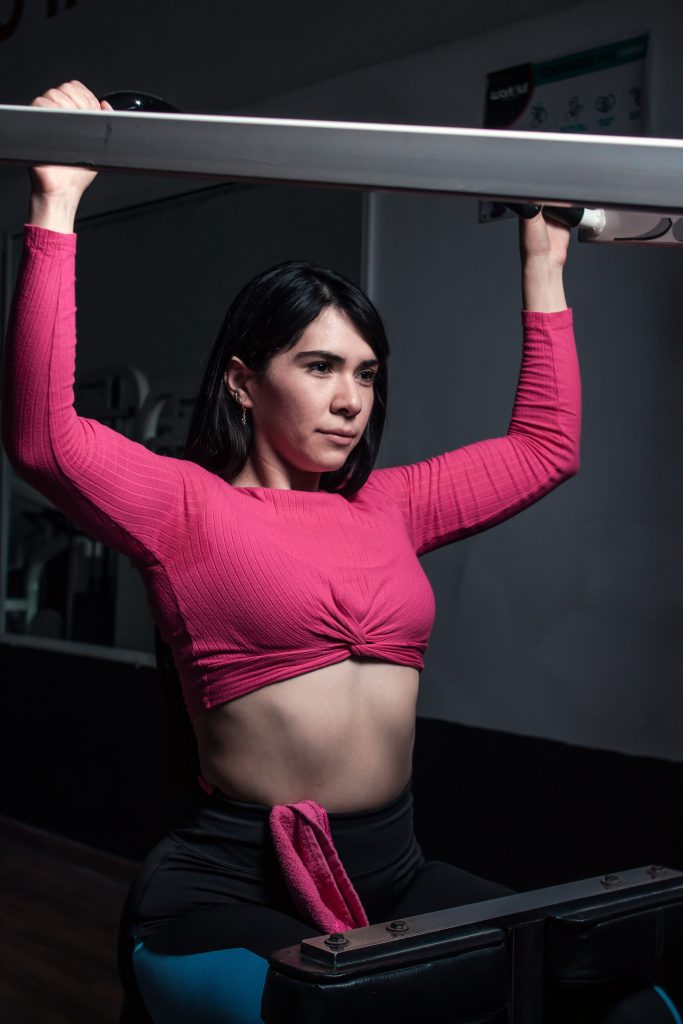
Essential Equipment for Beginner Strength Training for Women at Home
Starting your strength training journey doesn’t require expensive gym memberships or elaborate equipment setups. Understanding the essential tools and their applications helps you make informed investments that support long-term success.
Dumbbells: The Foundation
Dumbbells represent the most versatile equipment for home training. They allow natural movement patterns, develop stabilizer muscles, and accommodate exercises for every major muscle group used in beginner strength training for women programs.
Adjustable dumbbells offer the best value for home training. Sets like PowerBlock or Bowflex SelectTech allow weight changes from 5-50 pounds without cluttering your space with multiple fixed-weight pairs. This adjustability supports progressive overload as you grow stronger.
For budget-conscious beginners, purchasing several fixed-weight dumbbell pairs works perfectly. Start with 5, 10, and 15-pound pairs, which cover most exercises in full-body routines. As you progress, add heavier weights incrementally.
Resistance Bands: Portable and Effective
Resistance bands provide constant tension throughout movement ranges, offering a different stimulus compared to gravity-based weights. They’re perfect for travel, small spaces, or supplementing dumbbell work in beginner strength training for women routines.
Loop bands (also called mini bands) excel for glute activation, hip strengthening, and warm-up exercises. They typically come in sets with varying resistance levels color-coded for easy identification. Use them around thighs for squats, lateral walks, and glute bridges.
Long resistance bands with handles replicate many cable machine exercises at home. They attach to door anchors, allowing exercises like chest presses, rows, and tricep extensions. Quality bands from companies like TheraBand or Fit Simplify last years with proper care.
Adjustable Bench: Expanding Exercise Options
A quality adjustable bench dramatically increases exercise variety. It enables incline presses, supported rows, step-ups, and numerous other movements impossible on the floor. Look for benches adjusting to multiple angles from flat to fully upright.
FID (Flat, Incline, Decline) benches provide maximum versatility. However, beginners can start with simpler flat-to-incline models that cost less while still enabling most essential exercises. Ensure any bench supports at least 500 pounds total capacity for safety and stability.
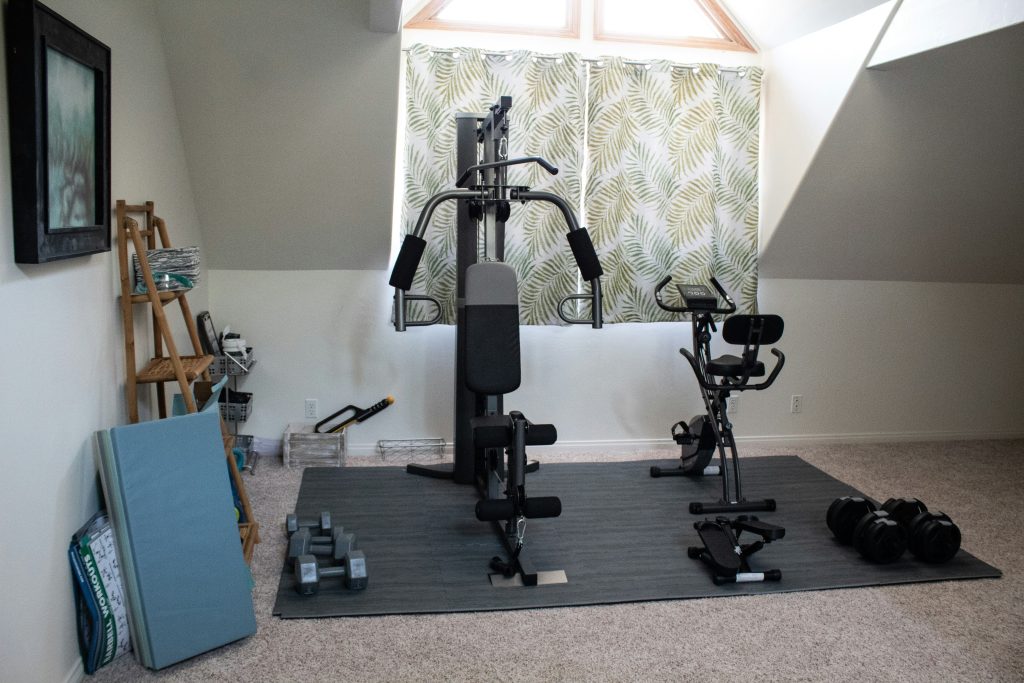
Bodyweight: The Ultimate Equipment-Free Option
Your own bodyweight provides tremendous training stimulus requiring zero equipment. Push-ups, squats, lunges, planks, and countless variations develop substantial strength, especially for beginners starting strength training programs.
Suspension trainers like TRX add versatility to bodyweight training by enabling leverage adjustments that modify exercise difficulty. They pack small for travel and mount to doors or outdoor structures.
How to Start Your First Beginner Strength Training for Women Workout
Beginning your strength training journey requires a structured approach that builds confidence while teaching proper movement patterns. This beginner-friendly workout targets all major muscle groups and establishes the foundation for long-term progress.
Pre-Workout Preparation
Arrive 10 minutes early to properly warm up your body. Cold muscles resist movement and increase injury risk. A thorough warm-up increases blood flow, raises core temperature, and prepares your nervous system for the work ahead.
Dynamic stretching beats static stretching before strength training. Arm circles, leg swings, torso rotations, and walking lunges activate muscles through full ranges of motion. Include 5 minutes of light cardio like walking, marching in place, or easy cycling to elevate heart rate moderately.
The Foundational Movement Patterns
Every beginner strength training for women program should include these essential movement patterns that develop complete, balanced strength:
1. Squat Pattern: Goblet Squats
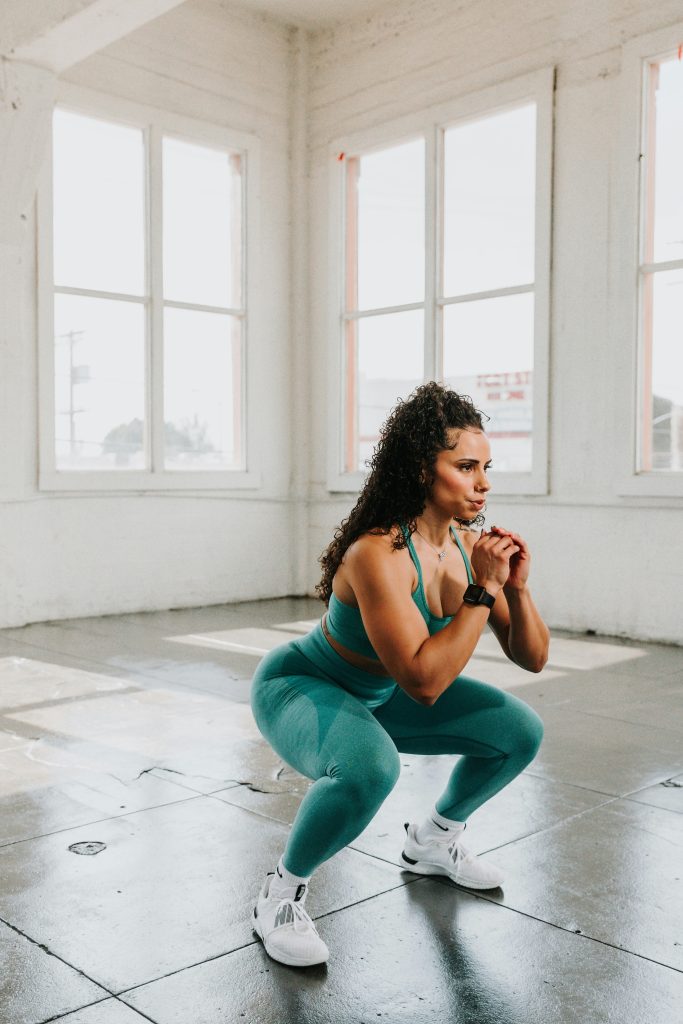
Hold a single dumbbell vertically at chest height with both hands cupping the top weight. Stand with feet hip-to-shoulder width apart, toes pointing slightly outward. Initiate the movement by pushing hips back and bending knees simultaneously, lowering until thighs reach parallel with the floor or slightly below.
Keep your chest lifted and core braced throughout. Your knees should track over your toes, not caving inward. Press through your entire foot to return to standing, squeezing glutes at the top.
Perform 3 sets of 10-12 repetitions. Start with bodyweight only if needed, progressing to an 8-10 pound dumbbell as strength increases. Rest 60-90 seconds between sets.

2. Hip Hinge Pattern: Romanian Deadlifts
Hold dumbbells in front of thighs with palms facing your body. Stand with feet hip-width apart and knees slightly bent. Push hips backward while maintaining a neutral spine, lowering dumbbells down the front of your legs. You should feel significant tension in your hamstrings.
Lower only as far as hamstring flexibility allows while maintaining a flat back. Squeeze glutes to return to standing, thrusting hips forward at the top. This exercise builds the posterior chain—hamstrings, glutes, and lower back—essential for daily movements.
Complete 3 sets of 10-12 repetitions with light dumbbells (5-10 pounds per hand initially). Focus entirely on feeling the movement in your hamstrings rather than rushing to add weight.
3. Push Pattern: Push-Ups
Start in a plank position with hands slightly wider than shoulder-width. Maintain a straight line from head to heels by engaging your core. Lower your chest toward the floor by bending elbows, keeping them at roughly 45-degree angles from your body.
Press through palms to return to starting position. If standard push-ups prove too challenging, perform them from your knees or against an elevated surface like a bench or countertop. Elevation makes push-ups easier while still building strength.
Aim for 3 sets of as many quality repetitions as possible, whether that’s 5 or 15. Perfect form matters infinitely more than hitting arbitrary numbers. Rest 60-90 seconds between sets.
4. Pull Pattern: Bent-Over Dumbbell Rows
Hinge forward at hips with a flat back, holding dumbbells with arms hanging toward floor. Pull dumbbells toward your ribcage by driving elbows back and squeezing shoulder blades together. Lower with control.
This exercise targets your back muscles, which often weaken due to modern sedentary lifestyles and forward-slouching postures. Strong back muscles improve posture dramatically and balance out chest and shoulder development.
Perform 3 sets of 10-12 repetitions per arm. You can row both arms simultaneously or alternate sides. Start with 5-8 pound dumbbells, increasing as the movement becomes comfortable.
5. Core Stability: Plank Holds
Support yourself on forearms and toes, maintaining a straight line from head to heels. Don’t allow hips to sag or pike upward. Engage your entire core as if bracing for a punch to your stomach.
Hold for 20-30 seconds initially, working up to 60 seconds over several weeks. Perform 3 sets with 45-60 seconds rest between holds. Quality position matters far more than duration—stop if you lose proper alignment.
Creating Your Weekly Beginner Strength Training for Women Schedule
Structuring your training week appropriately balances workout stimulus with adequate recovery—both essential for progress. Poor scheduling undermines results despite consistent effort.
Frequency Fundamentals
Beginners should strength train 2-3 days per week initially. This frequency provides sufficient stimulus for adaptation while allowing recovery between sessions. More isn’t always better—your muscles grow during rest periods, not during workouts themselves.
Schedule at least one full rest day between strength training sessions working the same muscle groups. If you train Monday, wait until Wednesday or Thursday for your next full-body workout. This 48-hour minimum recovery period allows muscle protein synthesis to occur optimally.

Sample Weekly Schedule
Monday: Full-body beginner strength training for women workout
Tuesday: Rest or light cardio/yoga
Wednesday: Rest or light activity
Thursday: Full-body strength training
Friday: Rest or light cardio
Saturday: Full-body strength training
Sunday: Complete rest
This approach works perfectly for beginners because it teaches all movement patterns multiple times weekly, accelerating skill development and strength gains.
Progressive Overload Scheduling
Plan to increase training difficulty every 1-2 weeks through these methods:
- Adding 2.5-5 pounds to exercises
- Performing 1-2 additional repetitions
- Adding an extra set
- Reducing rest periods by 15 seconds
- Improving movement quality and control
Don’t change everything simultaneously. Modify one variable at a time to track which changes drive your progress. Record these adjustments in your training log.
Proper Form: The Foundation of Safe, Effective Training
Learning correct exercise technique represents the most critical element of beginner strength training for women. Perfect form prevents injury, maximizes muscle engagement, and builds movement patterns that support long-term progress.
The Form-First Principle
Always prioritize movement quality over weight, repetitions, or speed. One perfect repetition builds strength more effectively than ten sloppy ones. Poor form ingrains dysfunctional patterns, increases injury risk, and limits your potential.
Start every new exercise with just your bodyweight or the lightest available weight. Focus completely on how the movement feels and which muscles engage. Only add resistance once you’ve mastered the pattern with perfect control.
Core Bracing Fundamentals
Proper core engagement protects your spine during virtually every strength exercise. Practice this before lifting: inhale deeply, then exhale while tightening your abdominal muscles as if preparing for someone to punch your stomach. Maintain this tension throughout exercises.
Your core includes more than just abdominal muscles—it encompasses your entire torso from pelvis to ribcage, including back muscles. This muscular cylinder provides stability that protects your spine when lifting.
Avoid holding your breath during lifts, which spikes blood pressure dangerously. Instead, exhale during the exertion phase (lifting the weight) and inhale during the lowering phase. This breathing pattern maintains core stability while managing blood pressure safely.
Common Form Mistakes and Corrections
Squats: Knees caving inward indicates weak hip abductors. Use a resistance band around thighs as a cue to push knees outward. Heels lifting suggests tight ankles—elevate heels on small plates or improve ankle mobility through daily stretching.
Deadlifts: Rounding backs typically result from attempting too much weight or poor hip hinge mechanics. Practice hip hinges without weight first. Keep the weight very close to your body throughout the movement.
Push-ups: Sagging hips indicate inadequate core engagement. Practice plank holds to build core endurance. Flaring elbows too wide stresses shoulders—keep elbows at 45-degree angles from torso.
Rows: Pulling with arms rather than back muscles is common. Focus on initiating movement by squeezing shoulder blades together, then bending elbows. Think “elbows to ceiling” rather than “hands to body.”
Nutrition Strategies to Support Beginner Strength Training for Women
Exercise represents only half the equation for success. Proper nutrition fuels workouts, supports recovery, and enables the muscle growth that drives body composition improvements.
Protein: The Muscle-Building Foundation
Protein provides amino acids essential for muscle protein synthesis—the process of repairing and building muscle tissue after training. Research shows women should consume approximately 0.7-1.0 grams of protein per pound of body weight daily when strength training.
Distribute protein intake across 3-4 meals rather than concentrating it in one sitting. Your body can only utilize 25-40 grams of protein per meal for muscle building, with excess being used for energy or other metabolic processes.
High-quality protein sources include: chicken breast, turkey, fish, eggs, Greek yogurt, cottage cheese, lean beef, tofu, tempeh, and legumes. Plant-based proteins work perfectly well but often require combining different sources to ensure complete amino acid profiles.
Carbohydrates: The Energy Source
Carbohydrates fuel intense strength training by providing muscle glycogen—your body’s preferred energy source for resistance exercise. Inadequate carb intake leads to low energy, poor performance, and compromised recovery.
Women particularly need sufficient carbohydrates to maintain healthy hormonal function. Very low-carb diets can disrupt menstrual cycles and reduce thyroid function in active women. Most women strength training benefit from 100-200 grams daily, adjusted based on body size and activity level.
Overcoming Common Barriers and Challenges
Every woman beginning strength training encounters obstacles that test commitment and persistence. Recognizing common challenges and developing strategies to overcome them determines long-term success.
Gym Intimidation
Walking into a weight room dominated by male lifters triggers anxiety for many women. This intimidation factor prevents countless women from starting beginner strength training for women programs despite genuine interest.
Start during less crowded times—early mornings, mid-afternoons, or late evenings typically see fewer crowds. This allows learning exercises without feeling watched or rushed to finish using equipment.
Bring a friend for mutual support and accountability. Training partners provide encouragement during difficult sets and make gym time more enjoyable. You can spot each other and share equipment efficiently.
Remember that most gym-goers focus on their own workouts, not judging yours. Everyone started as a beginner. The intimidating veteran lifters once felt the same nervousness you’re experiencing now.
Plateau Frustration
Initial progress happens quickly for beginners—the “newbie gains” phase where strength increases rapidly. After 3-6 months, progress slows considerably, leading many women to quit thinking they’ve stopped improving.
Understand that slower progress after initial gains is completely normal. Your body adapted quickly at first because the stimulus was entirely novel. Continued improvements require more strategic programming and patience.
Track non-scale victories: increased weights used, more repetitions completed, improved form quality, better energy levels, enhanced mood, or clothes fitting differently. These markers often show progress when scale weight plateaus.
Time Constraints
Modern life presents legitimate time challenges. Balancing work, family, social obligations, and self-care leaves minimal discretionary time for many women.
Shorter, focused workouts beat skipped workouts entirely. Three high-quality 30-minute sessions weekly produce excellent results for beginners. Eliminate exercise transition time by supersetting exercises for different muscle groups.
Home training removes commute time to gyms. A basic dumbbell set enables effective full-body workouts in your living room. Wake up 30 minutes earlier three days weekly—a small sacrifice for transformative benefits.
Measuring Progress Beyond the Scale
Your scale weight represents only one data point in a much larger picture of health and fitness improvements. Tracking diverse metrics provides motivation and insight that weight alone cannot.
Strength Metrics
Record weights, sets, and repetitions for every exercise in each workout. This training log becomes your most valuable progress indicator. Comparing today’s performance to last month reveals strength gains that mirror muscle growth and improved fitness.
Celebrate concrete strength milestones: your first full push-up, squatting with heavy dumbbells, or deadlifting your bodyweight. These accomplishments represent real capability improvements that enhance daily life function.
Body Measurements
Take measurements at chest, waist, hips, thighs, and arms every 4 weeks. Muscle growth and fat loss often occur without scale weight changes, as muscle is denser than fat tissue. Measurements reveal body composition shifts missed by scales alone.
Measure consistently at the same time of day under similar conditions. Morning after bathroom visits, before eating or drinking, provides the most reliable baseline. Small daily fluctuations are meaningless—focus on monthly trends.
Conclusion
Beginner strength training for women opens doors to physical capabilities, confidence, and health benefits that extend far beyond simple aesthetics. From protecting bone density to enhancing metabolic function, from building daily life functionality to fostering mental resilience—resistance training transforms women’s lives in profound, lasting ways.
Your journey doesn’t require perfection, expensive equipment, or genetic gifts. It requires only consistent effort with progressive challenges, proper nutrition to fuel your body’s adaptations, and patience as changes develop over weeks and months. Every woman who lifts weights today once picked up her first dumbbell with uncertainty—you’re joining a growing community of strong, capable women.
The myths that held back previous generations—fears of becoming bulky, beliefs that cardio alone suffices, ideas that strength training isn’t feminine—crumble under mounting scientific evidence and lived experiences of millions of women. Your body deserves the gift of strength and the confidence that accompanies physical capability.
Start where you are with what you have. Perfect your form before rushing to add weight. Celebrate small victories along the way. Connect with supportive communities who understand your journey. Trust the process even when progress feels slow. Your consistency today builds the strong, capable, confident future version of yourself.
P.S. Many women find that investing in quality equipment early accelerates their progress and commitment. While supplies of adjustable dumbbells and home gym essentials remain available, securing your setup now ensures you won’t face delays in starting your transformation.
- 3 simple days: lower, upper, full body
- Strength wins and non-scale tracker
- Session log and safety guide
Instant download • 100% free • No email required