

Affiliate Disclosure: This article contains affiliate links. If you purchase through these links, we may earn a commission at no additional cost to you. We only recommend products we believe will benefit your health journey.
Metabolic eating for weight loss represents a revolutionary shift from calorie counting to understanding how your body’s natural rhythms influence fat storage and burning. Instead of fighting against your metabolism through restrictive diets, this approach works with your body’s innate biological patterns to create sustainable weight loss that actually lasts.
Your metabolism doesn’t function like a simple calculator adding and subtracting calories. It operates as a complex, dynamic system influenced by hormones, circadian rhythms, nutrient timing, and the specific foods you consume. Understanding these metabolic patterns transforms weight loss from a constant struggle into a natural process your body embraces.
Research from the Salk Institute for Biological Studies demonstrates that when you eat matters almost as much as what you eat. Your body processes nutrients differently at various times of day based on circadian clock genes that regulate metabolism, hormone production, and energy utilization. Aligning eating patterns with these natural rhythms through metabolic eating for weight loss optimizes fat burning while preserving muscle mass.
The standard advice to “eat less, move more” ignores the metabolic adaptations that sabotage conventional dieting. Your body interprets caloric restriction as starvation, triggering protective mechanisms that slow metabolism, increase hunger hormones, and promote fat storage. Metabolic eating for weight loss circumvents these survival responses by working with your body’s biology rather than against it.
This comprehensive guide explores strategic foods at optimal times, creating the hormonal environment necessary for effortless fat loss. Whether you’re struggling with stubborn weight, hormonal imbalances, or previous diet failures, understanding metabolic eating for weight loss principles provides the missing piece for sustainable success.
Understanding Your Metabolic System
Your metabolism encompasses all chemical processes that convert food into energy, build and repair tissues, and regulate countless bodily functions. This intricate system responds dynamically to your eating patterns, food choices, sleep quality, stress levels, and activity habits—all factors you can optimize for enhanced fat burning.
Basal Metabolic Rate (BMR) represents the calories your body burns at complete rest maintaining essential functions like breathing, circulation, and cellular production. This accounts for 60-75% of total daily energy expenditure for most people. Muscle tissue requires significantly more energy to maintain compared to fat tissue, explaining why preserving muscle during weight loss proves critical for metabolic health.
The thermic effect of food (TEF) describes the energy required to digest, absorb, and process nutrients from meals. Different macronutrients demand varying metabolic investments: protein requires 20-30% of its calories for processing, carbohydrates need 5-10%, and fats use only 0-3%. This explains why higher-protein diets often accelerate weight loss beyond simple calorie mathematics.
Metabolic Flexibility and Fuel Switching
Healthy metabolisms switch seamlessly between burning glucose and fat based on fuel availability and activity demands. This metabolic flexibility deteriorates with poor dietary habits, particularly excessive refined carbohydrate consumption that keeps insulin chronically elevated.
Insulin—your body’s master storage hormone—determines whether you burn or store fat. High insulin levels block fat release from adipose tissue while promoting fat storage. How to boost metabolism through eating naturally helps maintain lower, steadier insulin levels that facilitate fat burning throughout the day.
According to research published in Cell Metabolism, metabolically flexible individuals lose weight more easily and maintain losses more successfully compared to people with impaired fuel-switching capabilities. Restoring this flexibility becomes a primary goal of metabolic eating for weight loss approaches.
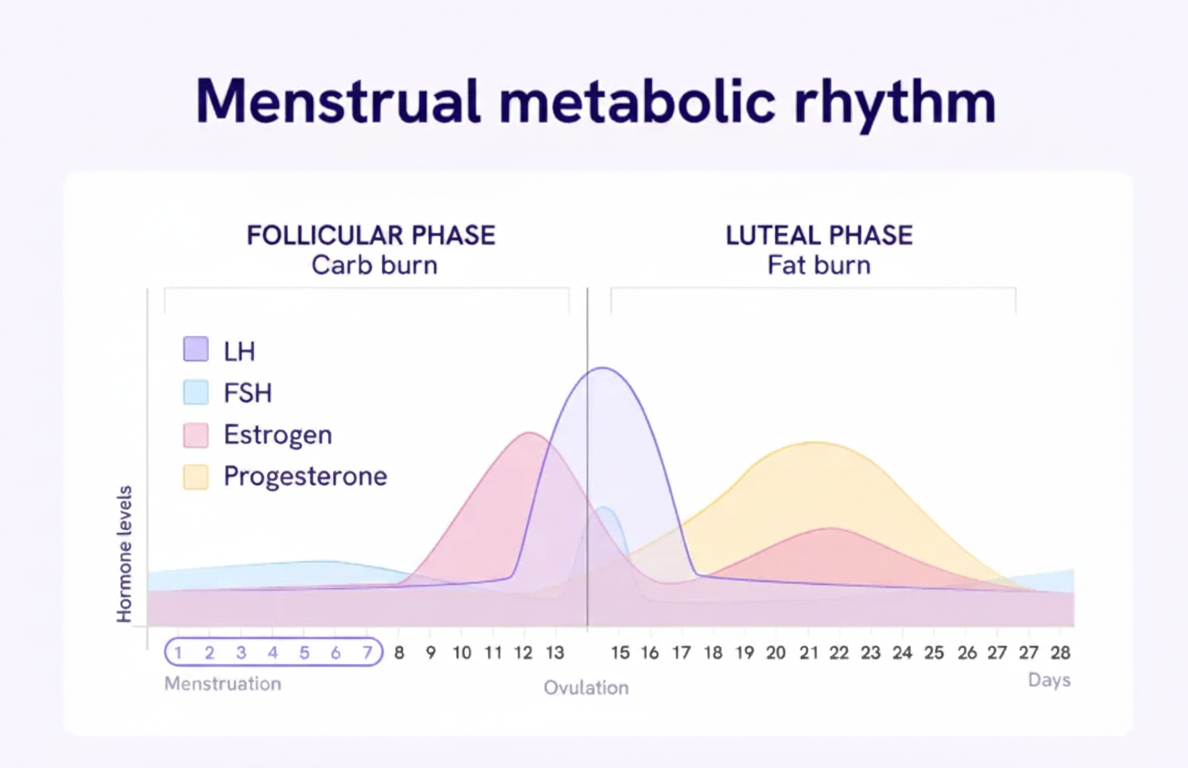
Hormonal Regulation of Metabolism
Beyond insulin, numerous hormones orchestrate your metabolic rate and fat storage patterns. Leptin signals energy sufficiency to your brain, reducing hunger and increasing energy expenditure. However, chronically elevated leptin from obesity creates leptin resistance—your brain stops responding appropriately, maintaining hunger despite adequate fat stores.
Ghrelin stimulates appetite and slows metabolism when caloric intake drops too low. This “hunger hormone” increases dramatically during restrictive dieting, explaining the intense cravings that sabotage weight loss efforts. Strategic eating patterns can moderate ghrelin’s effects without triggering starvation responses.
Thyroid hormones directly regulate metabolic rate. T3 (triiodothyronine) increases oxygen consumption and heat production in tissues throughout your body. Chronic caloric restriction and nutrient deficiencies suppress thyroid function, slowing metabolism substantially. Metabolic eating meal plan for beginners strategies protect thyroid function during weight loss.
Cortisol—your primary stress hormone—becomes problematic when chronically elevated. High cortisol promotes abdominal fat storage, breaks down muscle tissue for glucose production, and increases appetite for calorie-dense foods. Meal timing and composition significantly influence cortisol patterns throughout your day.
Circadian Rhythm Influence
Your body operates on approximately 24-hour cycles controlled by the suprachiasmatic nucleus (SCN) in your brain. This master clock synchronizes peripheral clocks in organs throughout your body, including those governing metabolism and digestion.
Research demonstrates that enzymes involved in glucose metabolism, lipid processing, and hormone secretion follow predictable daily patterns. Insulin sensitivity peaks in morning hours and declines progressively throughout the day. This means identical meals produce different metabolic responses based on consumption timing.
Disrupting circadian rhythms through irregular eating schedules, late-night meals, or insufficient sleep impairs glucose tolerance, increases insulin resistance, and promotes weight gain independent of total caloric intake. Restoring circadian alignment becomes foundational for metabolic optimization.
Core Principles of Metabolic Eating for Weight Loss
Metabolic eating for weight loss operates on several evidence-based principles that distinguish it from conventional dieting approaches. Understanding these core concepts enables you to make informed food choices that enhance rather than hinder your metabolic function.
Principle 1: Meal Timing Matters
When you consume calories significantly impacts how your body processes them. Eating during daylight hours when metabolism naturally runs higher optimizes nutrient partitioning toward energy production rather than fat storage.
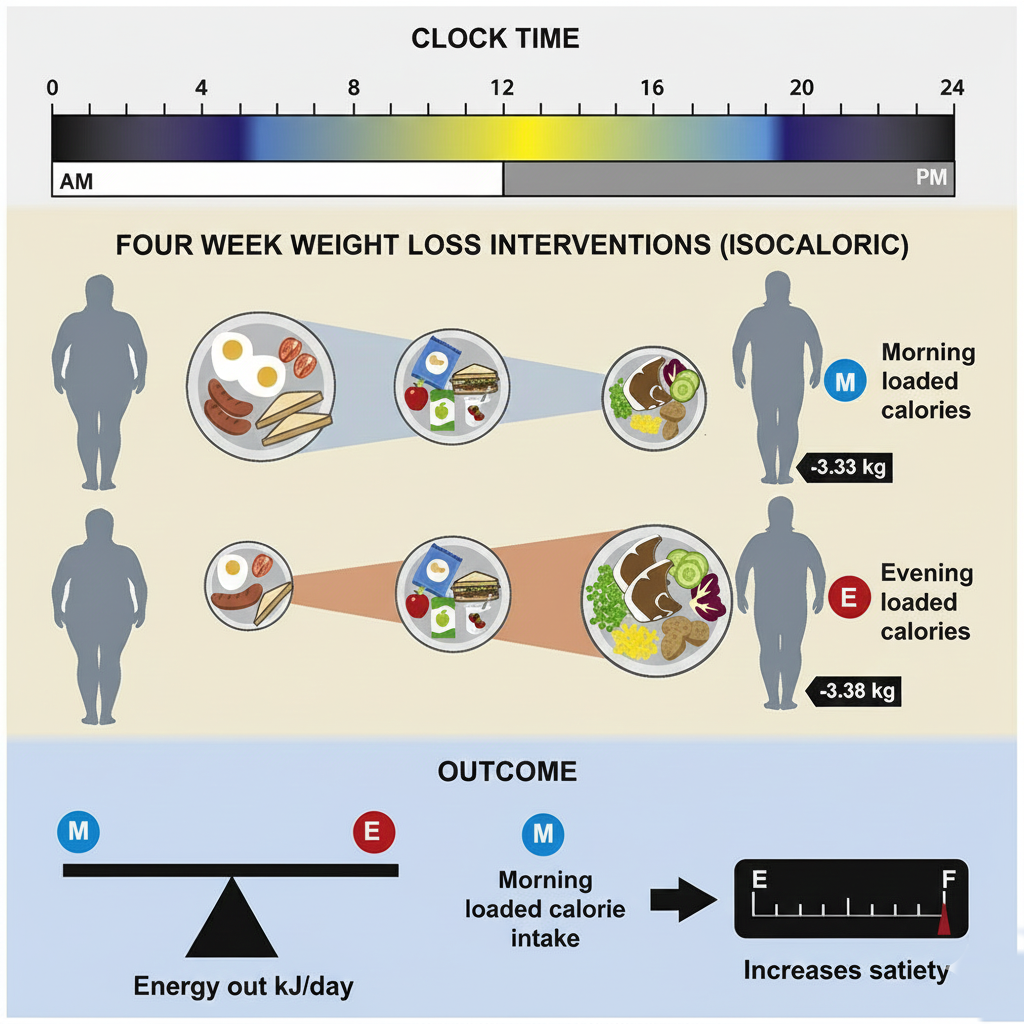
Front-loading caloric intake toward earlier meals aligns with natural insulin sensitivity patterns. Studies show that consuming larger breakfasts and moderate lunches with lighter dinners produces greater weight loss compared to reversed patterns with identical total calories.
Time-restricted eating (TRE) confines food consumption to specific windows, typically 8-12 hours daily. This pattern allows extended fasting periods that lower insulin, increase fat oxidation, and trigger cellular repair processes called autophagy. Research indicates TRE improves metabolic markers even without caloric restriction.
Principle 2: Protein Prioritization
Adequate protein intake preserves lean muscle mass during weight loss while maximizing the thermic effect of food. Every meal should include substantial protein to maintain satiety, stabilize blood sugar, and support metabolic rate.
Distribute protein across meals rather than concentrating it in one sitting. Your body can only utilize 25-40 grams of protein per meal for muscle protein synthesis, with excess being oxidized for energy or converted to glucose. Three balanced meals provide superior results compared to protein-heavy dinners preceded by protein-deficient breakfasts and lunches.
Protein quality matters significantly. Complete proteins containing all essential amino acids—found in animal products, soy, and quinoa—support muscle maintenance better than incomplete plant proteins. Combining complementary plant proteins (rice and beans, peanut butter and whole grain bread) creates complete amino acid profiles.
Principle 3: Strategic Carbohydrate Intake
Carbohydrates aren’t inherently problematic—the type, timing, and quantity determine whether they support or sabotage metabolic health. Complex carbohydrates with high fiber content produce gradual glucose release that maintains steady energy without insulin spikes.
Prioritize non-starchy vegetables, legumes, intact whole grains, and moderate fruit portions. These foods that increase metabolic rate naturally provide sustained energy along with vitamins, minerals, and phytonutrients that support metabolic function.
Minimize refined carbohydrates—white bread, pasta, sugary beverages, and processed snacks—that cause rapid blood sugar spikes followed by crashes. These roller-coaster patterns increase hunger, promote fat storage, and impair metabolic flexibility over time.
Principle 4: Healthy Fat Inclusion
Dietary fats don’t directly make you fat despite the name similarity. Including appropriate amounts of healthy fats provides essential fatty acids, supports hormone production, and increases meal satiety that prevents overeating.
Emphasize unsaturated fats from olive oil, avocados, nuts, seeds, and fatty fish. These support cardiovascular health while providing anti-inflammatory benefits. Include moderate saturated fat from whole food sources like eggs and dairy, which support hormone synthesis including testosterone and estrogen.
Avoid trans fats and minimize industrial seed oils (soybean, corn, cottonseed oils) high in omega-6 fatty acids that promote inflammation when consumed excessively. The optimal omega-6 to omega-3 ratio is approximately 4:1 or lower, far below the 15-20:1 ratio typical in Western diets.
Principle 5: Micronutrient Density
Vitamins and minerals serve as cofactors in countless metabolic reactions. Deficiencies in nutrients like iron, magnesium, B vitamins, and vitamin D impair energy production and metabolic rate.
Emphasize nutrient-dense whole foods over empty-calorie processed options. Colorful vegetables, fruits, whole grains, legumes, nuts, seeds, and quality proteins provide micronutrient packages that support optimal metabolic function.
Consider targeted supplementation for common deficiencies after testing. Vitamin D, magnesium, and omega-3s frequently require supplementation in modern populations due to insufficient sun exposure, depleted soils, and inadequate dietary intake.
How to Boost Metabolism Through Eating: Practical Strategies
Implementing metabolic eating for weight loss principles requires translating theory into daily habits. These practical strategies enable you to boost metabolism through eating patterns that support rather than suppress your body’s fat-burning capabilities.
Morning Metabolism Activation
Begin your day with a substantial breakfast containing 25-35 grams of protein within 1-2 hours of waking. This protein-rich morning meal suppresses ghrelin, increases satiety hormones, and stabilizes blood sugar throughout the morning.
Breaking your overnight fast with protein rather than carbohydrate-dominant meals capitalizes on morning insulin sensitivity. Your body efficiently partitions nutrients toward energy production and muscle maintenance rather than fat storage during these early hours.
Example breakfast combinations:
- 3-egg veggie omelet with whole grain toast and avocado
- Greek yogurt parfait with berries, nuts, and small amount of granola
- Protein smoothie with protein powder, spinach, banana, nut butter, and oats
- Smoked salmon with scrambled eggs and roasted vegetables
Avoid carbohydrate-only breakfasts like juice, pastries, or sugary cereals that spike blood sugar and insulin, creating mid-morning energy crashes and intense cravings.
Balanced Plate Construction
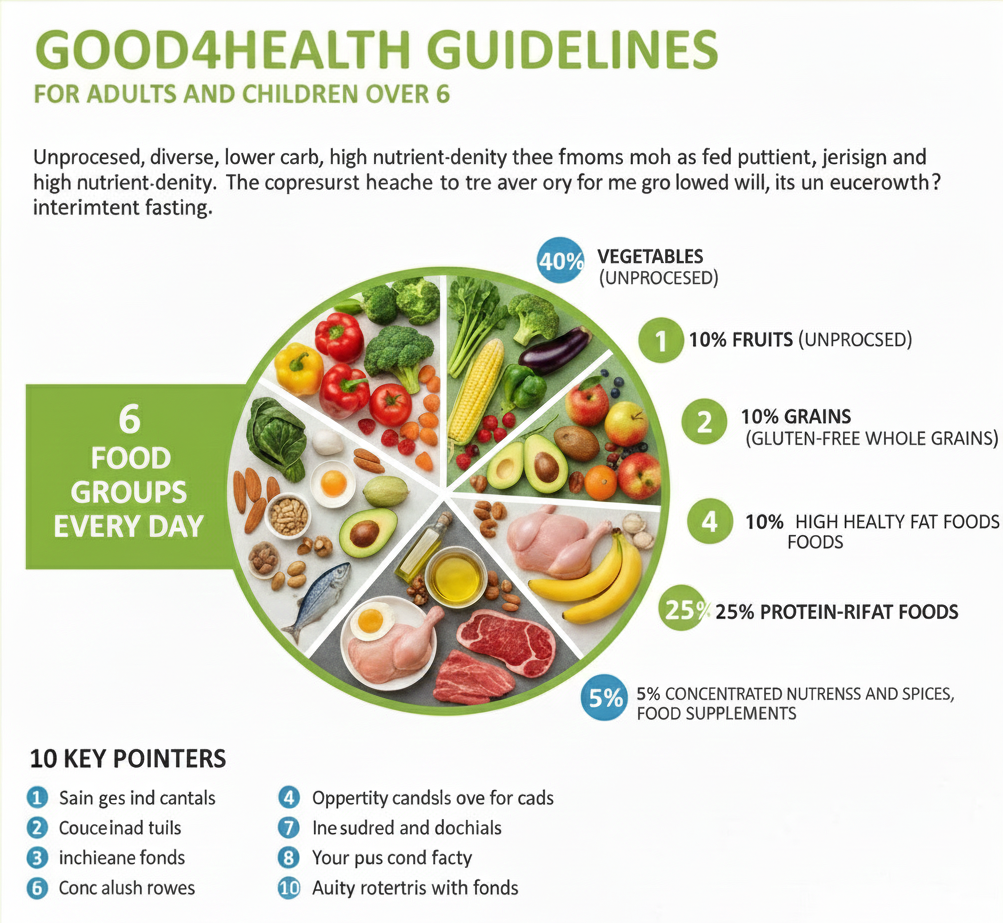
Every meal should include three macronutrient categories in appropriate proportions. Visualize your plate divided into quarters: one-quarter protein, one-quarter complex carbohydrates, and half non-starchy vegetables. Add healthy fats through cooking methods, dressings, or toppings.
This balanced approach prevents the blood sugar swings associated with carbohydrate-dominant meals while providing satiety that naturally limits portion sizes without conscious restriction.
Protein sources (palm-sized portions):
- Chicken, turkey, lean beef, pork tenderloin
- Fish and seafood
- Eggs and egg whites
- Greek yogurt, cottage cheese
- Tofu, tempeh, legumes
Complex carbohydrates (fist-sized portions):
- Quinoa, brown rice, farro, barley
- Sweet potatoes, winter squash
- Oatmeal, whole grain bread
- Legumes (beans, lentils, chickpeas)
Non-starchy vegetables (unlimited):
- Leafy greens, broccoli, cauliflower, Brussels sprouts
- Bell peppers, tomatoes, cucumbers, zucchini
- Asparagus, green beans, mushrooms
- Colorful salad vegetables

Strategic Snacking
Metabolic eating for weight loss typically emphasizes three substantial meals over constant grazing. Continuous eating maintains elevated insulin that blocks fat burning. Spacing meals 4-5 hours apart allows insulin to drop between eating occasions.
If snacks prove necessary due to hunger or schedule constraints, choose combinations providing protein and fiber rather than carbohydrate-only options. These combinations stabilize blood sugar without significant insulin spikes.
Metabolically-friendly snacks:
- Apple slices with almond butter
- Vegetables with hummus or guacamole
- Hard-boiled eggs with cherry tomatoes
- Greek yogurt with berries
- Handful of nuts with a small piece of fruit
- Turkey roll-ups with vegetables
Dinner Optimization
Evening meals should be lighter than breakfast and lunch, consumed at least 3 hours before bedtime. Late eating interferes with circadian rhythms, impairs glucose tolerance, and reduces sleep quality—all factors negatively impacting metabolism.
Emphasize protein and non-starchy vegetables at dinner while moderating carbohydrate portions. Your insulin sensitivity naturally declines throughout the day, meaning evening carbohydrates more readily convert to fat storage compared to morning consumption.
Example dinner frameworks:
- Grilled salmon with roasted Brussels sprouts and quinoa
- Chicken stir-fry with abundant vegetables over small portion of brown rice
- Grass-fed beef with cauliflower mash and side salad
- Shrimp and vegetable soup with whole grain crackers
Fasting Windows
Extend overnight fasting to 12-14 hours minimum by finishing dinner earlier and delaying breakfast slightly if needed. This nightly fasting period allows insulin to drop substantially, triggering fat release from adipose tissue for energy.
Some people benefit from longer fasting windows (16 hours) with compressed eating windows (8 hours), though this isn’t necessary for metabolic benefits. Start conservatively with 12-hour fasts, gradually extending if it feels sustainable.
Foods That Increase Metabolic Rate Naturally
Certain foods provide specific compounds or macronutrient profiles that demonstrably boost metabolic rate, enhance fat oxidation, or improve metabolic health markers. Incorporating these strategic foods amplifies your metabolic eating for weight loss results.
Protein-Rich Foods
As previously discussed, protein’s high thermic effect means 20-30% of protein calories are burned during digestion and processing. Prioritizing protein at every meal significantly increases daily energy expenditure without additional exercise.
Lean proteins like chicken breast, white fish, and egg whites provide pure protein with minimal accompanying fats. Fatty proteins like salmon, whole eggs, and grass-fed beef add beneficial omega-3s and CLA (conjugated linoleic acid) that support fat loss.
Plant proteins from legumes, tofu, and tempeh provide additional fiber that further moderates blood sugar and increases satiety. Combining plant and animal proteins throughout your week provides comprehensive amino acid coverage and diverse nutrient profiles.
Green Tea and Coffee
Catechins in green tea—particularly EGCG (epigallocatechin gallate)—increase fat oxidation and thermogenesis. Studies show 2-3 cups of green tea daily may increase metabolism by 4-5% and enhance fat burning by 10-17%.
According to research from the American Journal of Clinical Nutrition, combining green tea catechins with caffeine produces synergistic effects superior to either compound alone. This explains green tea’s metabolic advantages despite containing less caffeine than coffee.
Coffee’s caffeine content increases metabolic rate by 3-11%, with effects lasting several hours post-consumption. The thermogenic effect proves strongest in lean individuals, though overweight people still experience measurable benefits.

Chili Peppers and Spicy Foods
Capsaicin—the compound giving peppers their heat—activates brown adipose tissue (BAT), a special fat type that burns calories to generate heat. Regular capsaicin consumption may increase daily calorie expenditure by 50-100 calories.
Capsaicin also reduces appetite and increases satiety, potentially decreasing total caloric intake. The combination of increased expenditure and decreased intake creates favorable conditions for weight loss through metabolic eating for weight loss principles.
Other spicy compounds like piperine (black pepper) and gingerol (ginger) demonstrate similar though smaller thermogenic effects. Liberally using spices in cooking provides metabolic benefits alongside enhanced flavor without added calories.
Cruciferous Vegetables
Broccoli, cauliflower, Brussels sprouts, kale, and cabbage provide substantial fiber, vitamin C, and unique compounds like sulforaphane that support detoxification pathways. Their very low calorie density combined with high fiber creates negative calorie effects—digesting them requires nearly as many calories as they provide.
These vegetables fill stomach volume, promoting satiety with minimal caloric load. Their fiber content slows digestion and glucose absorption, maintaining steady energy and preventing insulin spikes.
Apple Cider Vinegar
Acetic acid in apple cider vinegar improves insulin sensitivity and may reduce fat storage. Studies show consuming 1-2 tablespoons diluted in water before meals reduces postprandial blood sugar spikes by 20-30%.
The mechanism involves delayed gastric emptying and improved glucose uptake into cells rather than storage as fat. Some research suggests apple cider vinegar increases fat oxidation and reduces appetite, though effects are modest.
Omega-3 Rich Fish
Fatty fish like salmon, mackerel, sardines, and herring provide EPA and DHA—omega-3 fatty acids that reduce inflammation, improve insulin sensitivity, and may enhance fat oxidation. These anti-inflammatory fats counter the pro-inflammatory effects of excessive omega-6 consumption.
Research indicates omega-3s may support leptin sensitivity, helping your brain appropriately respond to satiety signals. They also preserve muscle mass during weight loss, protecting metabolic rate.
Target 2-3 servings of fatty fish weekly, or consider high-quality fish oil supplements if dietary intake proves insufficient. Vegetarians can use algae-based omega-3 supplements for EPA and DHA.
Metabolic Eating Meal Plan for Beginners: 7-Day Sample
Implementing metabolic eating for weight loss becomes easier with concrete meal examples demonstrating proper timing, composition, and portion sizes. This metabolic eating meal plan for beginners provides a practical framework you can adapt to your preferences and schedule.
Day 1
- Breakfast (7:00 AM): Vegetable omelet (3 eggs) with spinach, tomatoes, and feta cheese; 1 slice whole grain toast with avocado
- Lunch (12:00 PM): Grilled chicken breast over mixed greens with chickpeas, cucumber, cherry tomatoes, and olive oil-lemon dressing; small apple
- Dinner (6:00 PM): Baked salmon with roasted broccoli and small portion quinoa; side salad with vinaigrette
Day 2
- Breakfast (7:00 AM): Greek yogurt parfait with berries, sliced almonds, and small amount of granola; hard-boiled egg on the side
- Lunch (12:30 PM): Turkey and avocado wrap in whole grain tortilla with lettuce, tomato, and hummus; carrot sticks with guacamole
- Dinner (6:00 PM): Lean beef stir-fry with bell peppers, snap peas, mushrooms, and onions over cauliflower rice; orange slices for dessert
Day 3
- Breakfast (7:00 AM): Protein smoothie with whey protein, spinach, banana, almond butter, oats, and unsweetened almond milk
- Lunch (12:00 PM): Lentil soup with vegetables; side salad with grilled shrimp and olive oil dressing; whole grain crackers
- Dinner (6:00 PM): Grilled chicken thighs with roasted Brussels sprouts and sweet potato wedges; mixed berry bowl
Day 4
- Breakfast (7:00 AM): Scrambled eggs with black beans, salsa, and small portion whole grain toast; sliced strawberries
- Lunch (12:30 PM): Tuna salad (made with Greek yogurt) on bed of spinach with tomatoes, cucumbers, and olives; whole grain pita wedges
- Dinner (6:00 PM): Baked cod with asparagus and small portion wild rice; roasted vegetable medley

Day 5
- Breakfast (7:00 AM): Steel-cut oatmeal with protein powder stirred in, topped with blueberries, walnuts, and cinnamon
- Lunch (12:00 PM): Chicken breast with quinoa and roasted vegetable bowl (peppers, zucchini, eggplant) drizzled with tahini
- Dinner (6:00 PM): Turkey meatballs with marinara sauce over zucchini noodles; side Caesar salad (light dressing); pear for dessert
Day 6
- Breakfast (7:00 AM): Cottage cheese bowl with sliced peaches, hemp seeds, and small amount of granola
- Lunch (12:30 PM): Salmon burger on whole grain bun with avocado, lettuce, tomato; sweet potato fries (baked); side salad
- Dinner (6:00 PM): Vegetarian chili with kidney beans, black beans, and vegetables; small portion brown rice; Greek yogurt with berries
Day 7
- Breakfast (7:00 AM): Veggie frittata with mushrooms, bell peppers, and goat cheese; whole grain English muffin; grapefruit half
- Lunch (12:00 PM): Grilled chicken Caesar salad with parmesan, whole grain croutons, and light dressing; apple with almond butter
- Dinner (6:00 PM): Shrimp stir-fry with broccoli, carrots, and snow peas over small portion jasmine rice; miso soup
Meal Planning Principles Demonstrated
Notice consistent patterns across this metabolic eating meal plan for beginners: substantial protein-rich breakfasts consumed within 1-2 hours of waking, balanced lunches with protein-carb-vegetable combinations, and lighter dinners emphasizing protein and vegetables with moderate carbohydrates.
Snacks aren’t included because three substantial meals typically provide adequate satiety when properly composed. If hunger occurs between meals initially, add one protein-fiber snack mid-afternoon (Greek yogurt with berries, apple with almond butter, vegetables with hummus).
Meal timing maintains 4-5 hours between eating occasions, with dinner completing at least 3 hours before bedtime. This creates approximately 12-13 hour overnight fasting windows that optimize metabolic flexibility and fat burning.
Common Mistakes Sabotaging Metabolic Health
Even well-intentioned dietary changes can backfire when fundamental metabolic principles are misunderstood or misapplied. Recognizing these common errors helps you avoid pitfalls that undermine your metabolic eating for weight loss efforts.
Mistake 1: Excessive Caloric Restriction
Severely cutting calories triggers metabolic adaptation—your body lowers metabolic rate to match reduced intake, making further weight loss progressively harder. This survival mechanism protected our ancestors during famine but sabotages modern dieting.
Aim for moderate deficits of 300-500 calories below maintenance rather than aggressive cuts exceeding 1000 calories. Gradual weight loss of 1-2 pounds weekly proves more sustainable and preserves metabolic rate better than rapid loss.
Mistake 2: Skipping Breakfast
While intermittent fasting works for some people, skipping breakfast without intentional fasting structure often backfires. Late-day eating when insulin sensitivity is lowest promotes fat storage while ignoring morning hours when metabolism runs highest.
If you practice time-restricted eating, consider an earlier eating window (8am-4pm) rather than skipping breakfast and eating late dinners. Research suggests early TRE produces superior metabolic benefits compared to late TRE.
Mistake 3: Inadequate Protein
Failing to prioritize protein at every meal leads to muscle loss during caloric deficits, slowing metabolism substantially. Many people, particularly women, chronically under-consume protein while over-eating carbohydrates.
Calculate your protein needs (0.7-1.0 grams per pound body weight) and deliberately plan meals meeting these targets. Protein should form the centerpiece of every meal, not an afterthought.
Mistake 4: Late-Night Eating
Consuming significant calories within 2-3 hours of bedtime disrupts circadian rhythms, impairs glucose tolerance, and reduces sleep quality. Your body prioritizes storage over burning during evening hours when metabolism naturally slows.
Establish a kitchen “closing time” 3 hours before bed. If genuine hunger occurs, choose a small protein snack (Greek yogurt, handful of nuts) rather than carbohydrate-heavy options.
Mistake 5: Liquid Calories
Beverages bypass satiety mechanisms that solid foods trigger, allowing calorie consumption without corresponding fullness signals. Sugary drinks spike blood sugar and insulin while providing zero nutrients or lasting satisfaction.
Eliminate regular sodas, sweetened coffees, fruit juices, and energy drinks. Stick to water, unsweetened tea, black coffee, or beverages with minimal calories. If you drink alcohol, limit intake and choose lower-sugar options.
Mistake 6: All-or-Nothing Thinking
Perfectionism creates cycles of strict adherence followed by complete abandonment when inevitably you deviate from rigid plans. This pattern proves less effective than consistent adherence to sustainable practices allowing flexibility.
Adopt an 80/20 approach: follow metabolic eating for weight loss principles 80% of the time while allowing 20% flexibility for social occasions and favorite treats. This balance maintains metabolic benefits while preventing the deprivation that triggers binges.
Tracking Progress and Adjusting Your Approach
Monitoring appropriate metrics helps you evaluate whether your metabolic eating for weight loss approach is working while avoiding obsessive behaviors that undermine success. Strategic tracking guides necessary adjustments without creating unhealthy fixations.
Scale Weight Context
Weigh yourself weekly at consistent times—mornings after bathroom use, before eating. Daily fluctuations from water retention, digestive contents, and hormonal shifts create noise obscuring true trends.
Graph weights over 4-8 weeks to identify patterns. Focus on monthly trajectories rather than weekly variations. Expect plateaus and fluctuations despite perfect adherence—these represent normal weight loss patterns.
Body Composition Changes
Measure waist, hips, chest, and thighs monthly. Body composition shifts often occur without corresponding scale changes, particularly when combining metabolic eating for weight loss with strength training that builds muscle while burning fat.
Progress photos from front, side, and back angles reveal visual changes that measurements and scales miss. Compare photos from identical lighting, location, and poses every 4 weeks.
Energy and Performance
Notice how you feel: consistent energy throughout the day, reduced afternoon crashes, improved sleep quality, better workout performance, enhanced mental clarity, and reduced cravings all indicate successful metabolic optimization.
These subjective improvements often precede measurable body composition changes and represent valuable progress markers independent of weight loss.
Adjusting Your Approach
If progress stalls for 3+ weeks despite consistent adherence, consider these modifications:
- Recalculate caloric needs after 10-15 pound weight loss
- Extend fasting windows by 1-2 hours
- Increase protein intake by 10-15 grams daily
- Add 2-3 strength training sessions weekly
- Reduce carbohydrate portions by 25%
- Increase non-starchy vegetable intake
- Improve sleep quality and duration
- Address chronic stress through meditation or therapy
Conclusion
Metabolic eating for weight loss transforms how you approach food, shifting from restrictive calorie counting to strategic nutrient timing and composition that works with your body’s natural biology. This sustainable approach produces lasting results by optimizing hormonal balance, circadian rhythms, and metabolic flexibility rather than fighting against survival mechanisms.
Understanding how to boost metabolism through eating empowers you to make informed choices that enhance rather than suppress your fat-burning capabilities. From prioritizing protein and timing carbohydrates strategically to incorporating foods that increase metabolic rate naturally, every principle builds upon fundamental metabolic science.
The metabolic eating meal plan for beginners demonstrates how these theoretical concepts translate into practical daily habits requiring no special foods, expensive supplements, or complicated calculations. Simple meal structures featuring whole foods in appropriate combinations and timing produce remarkable results when followed consistently.
Success with metabolic eating for weight loss depends more on consistency than perfection. The 80/20 approach allowing flexibility while maintaining core principles proves more sustainable than rigid adherence followed by complete abandonment. Your metabolism responds to patterns over time, not individual meals or occasional deviations.
Beyond weight loss, metabolic eating improves energy levels, mental clarity, sleep quality, and numerous health markers from blood sugar control to cardiovascular risk factors. These comprehensive benefits make the approach valuable regardless of specific weight loss goals.
Your body wants to be healthy and maintain appropriate weight—metabolic eating for weight loss simply removes the obstacles preventing it from functioning optimally. By aligning your eating patterns with biological rhythms and providing nutrients your metabolism needs, you create conditions allowing effortless progress toward your healthiest self.
Begin today by implementing one or two principles: perhaps eating a protein-rich breakfast within two hours of waking, or establishing a 12-hour overnight fast. Build progressively from these foundational changes, adding additional strategies as initial habits solidify. Your metabolism will respond, and the results will follow.
P.S. Many people find that having the right tools makes implementing metabolic eating principles significantly easier. From meal prep containers that portion meals correctly to kitchen scales that ensure accurate macronutrient tracking, the right equipment removes barriers to consistency.