


When comparing a foam roller vs massage gun for home muscle recovery, the right choice depends on your biomechanical needs and budget. Foam rollers deliver broad myofascial release, improving spinal mobility and large muscle group tension through active bodyweight pressure. Massage guns provide targeted percussive therapy, offering quick neural dampening and localized blood flow without requiring physical effort on the floor.
Quick Summary
- Foam rollers excel at comprehensive myofascial shearing, improving joint range of motion and broad tissue mobility.
- Massage guns offer localized percussive stimulation, targeting deep trigger points quickly with minimal physical effort.
- Foam rollers cost significantly less and require zero battery maintenance, while massage guns provide superior convenience for targeted pre-workout activation.
Foam Roller vs Massage Gun: Scope of This Comparison
Muscle recovery tools have evolved from simple manual devices into automated therapeutic instruments. This evaluation focuses specifically on at-home post-workout recovery, daily tension management, and ease of use for general fitness enthusiasts. We examine direct tissue mechanics, long-term durability, financial investment, and practical convenience.
This comparison excludes clinical physical therapy protocols and acute injury rehabilitation. Both tools serve distinct neurological and mechanical functions. Understanding how your soft tissue responds to compression versus percussion is essential for making an informed investment.
Evaluation Criteria for Soft Tissue Recovery
Evaluating recovery tools requires analyzing how direct force interacts with skeletal muscle and fascia. Foam rolling relies on sustained mechanical pressure and slow shearing forces to alter fascial viscoelasticity. Percussive therapy uses high-frequency pulse bursts to override local pain receptors and stimulate rapid blood flow.
Key Takeaways
- Foam rolling requires active core stabilization and floor space, doubling as a light movement practice.
- Percussive massage guns allow passive relaxation during treatment, making them easier to use while sitting or traveling.
- Combining both tools often yields optimal tissue adaptation, but individual budget and space dictate the primary choice.
| Factor | Foam Roller | Massage Gun |
|---|---|---|
| Primary Mechanism | Sustained pressure & tissue shear | High-frequency percussive stroke |
| Physical Effort | Moderate (requires bodyweight control) | Low (handheld application) |
| Target Precision | Broad muscle groups | Localized trigger points |
| Average Cost | $15 – $40 | $70 – $300+ |

Mechanical Differences: Percussion vs Sustained Rolling
Foam rolling utilizes slow, continuous force across a muscle belly. As you roll over tight tissue, the mechanical deformation forces fluid out of the fascial matrix. Once pressure releases, fresh blood re-hydrates the tissue. This process helps smooth out fascial adhesions and restores glide between tissue layers, particularly in broad areas like the IT band, quadriceps, and thoracic spine.
In contrast, a massage gun drives rapid, vertical strokes into the muscle tissue at speeds ranging from 1,800 to 3,200 beats per minute. This percussive action rapidly depresses local Golgi tendon organs, encouraging quick muscle relaxation. It provides rapid sensory distraction, temporarily blocking pain signals sent to the brain while increasing capillary circulation in localized spots.
- 8 stretches with hold times
- About 10 minutes, after a workout or before bed
- Simple safety rules for every stretch
Instant download • 100% free • No email required
Cost, Convenience, and Daily Usability
Cost and convenience heavily influence long-term habit adherence. A standard high-density foam roller requires no electricity, has no moving parts to break, and lasts for years under daily heavy use. However, using a foam roller requires clearing floor space and supporting your own body weight, which can feel demanding after an exhausting leg workout.
Massage guns offer exceptional convenience. You can target your calves, forearms, or shoulders while seated on a couch without elevating your heart rate. The trade-off includes higher upfront costs, battery management, mechanical noise, and potential motor failure over time. For quick pre-workout warmups, the portability of a massage gun gives it a distinct advantage.
Pros
- Foam Roller: Extremely durable, highly cost-effective, expands thoracic mobility.
- Massage Gun: Highly targeted, effortless operation, excellent for localized trigger points.
Cons
- Foam Roller: Requires floor effort, difficult to isolate tiny dense muscles.
- Massage Gun: Premium price point, requires recharging, mechanical noise during operation.
Skip If: You have acute joint inflammation, severe osteopenia, or inability to support your bodyweight on the floor.
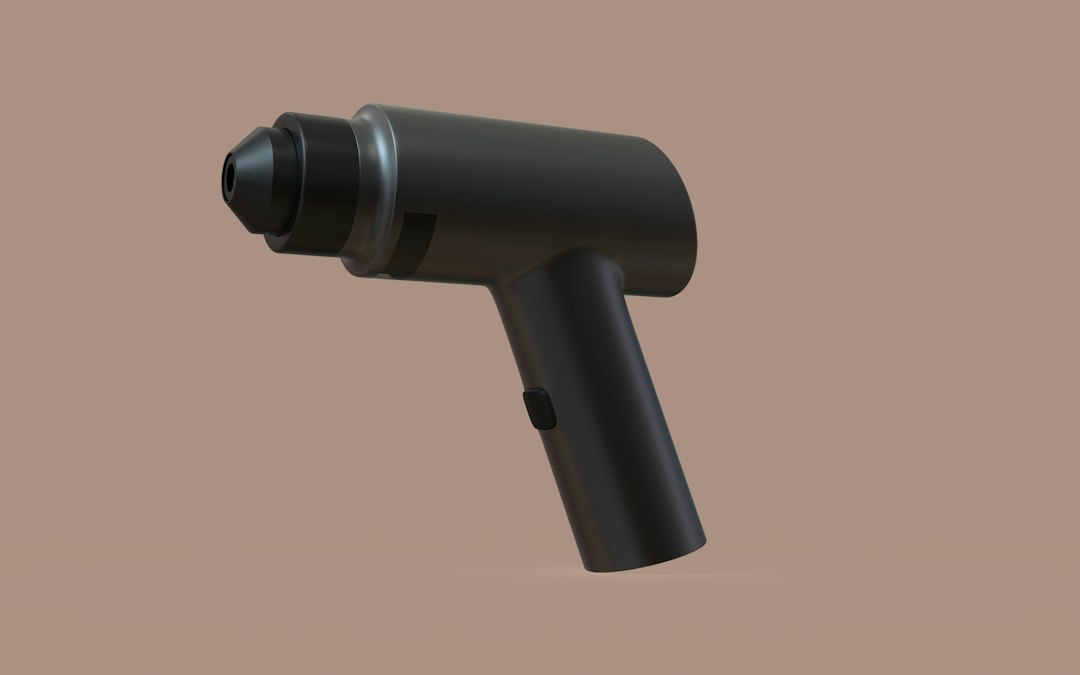
Suitability Filter: Matching the Tool to Your Needs
Choose a foam roller if your main objective is improving overall flexibility, releasing thoracic spine stiffness, or enhancing multi-joint movement patterns. Rolling forces you to engage your core and adjust body positioning, making it a functional extension of your cooldown mobility routine.
Choose a massage gun if you suffer from localized muscle knots, have limited shoulder mobility that makes rolling uncomfortable, or need rapid tissue activation before training. It is also ideal for individuals who want convenient muscle treatment without getting down on the floor.
Safety Warnings and Biomechanical Limitations
Neither tool should be used directly on bony prominences, the neck, or acute ligament sprains. Excessive compression can bruise soft tissue or cause defensive muscle guarding.
Final Decision Framing
Both recovery devices offer distinct physiological advantages. While a massage gun delivers fast, pinpoint relief with maximum convenience, a foam roller remains the foundational baseline for global fascial health and spinal extension.
Bottom Line
- Select a foam roller for affordable, full-body fascial shearing and thoracic mobility work.
- Invest in a massage gun for localized trigger point therapy and effortless post-workout convenience.
- For optimal recovery, use the foam roller post-workout for deep tissue gliding and the massage gun pre-workout for rapid neural activation.
Frequently Asked Questions
Can a massage gun replace a foam roller entirely?
Not completely. A massage gun targets isolated muscle points via percussion, whereas a foam roller uses bodyweight pressure to lengthen fascial sheets and improve global joint mobility.
Which tool is better for delayed onset muscle soreness (DOMS)?
Both tools reduce DOMS perception by stimulating blood flow. Massage guns provide faster temporary pain relief, while foam rollers facilitate better overall fluid distribution across large muscle groups.
How long should you use a foam roller per muscle group?
Spend approximately 60 to 90 seconds per muscle group, moving slowly at a pace of one inch per second. Pause on tender spots for 20 to 30 seconds to allow tissue relaxation.
Are massage guns safe for beginner fitness enthusiasts?
Yes, provided you start on the lowest speed setting and use soft foam attachment heads. Avoid pressing hard into the tissue; let the speed of the device do the work.
Is foam rolling safe for the lower back?
Directly rolling the lumbar spine is not recommended because it lacks ribcage support and can stress the spinal joints. Use a massage gun on low power or a small massage ball for lower back muscles instead.
How often should at-home recovery tools be used?
Both tools can be used daily. Limit targeted massage gun sessions to 2 minutes per muscle group to prevent localized skin irritation or tissue inflammation.
- 8 stretches with hold times
- About 10 minutes, after a workout or before bed
- Simple safety rules for every stretch
Instant download • 100% free • No email required