

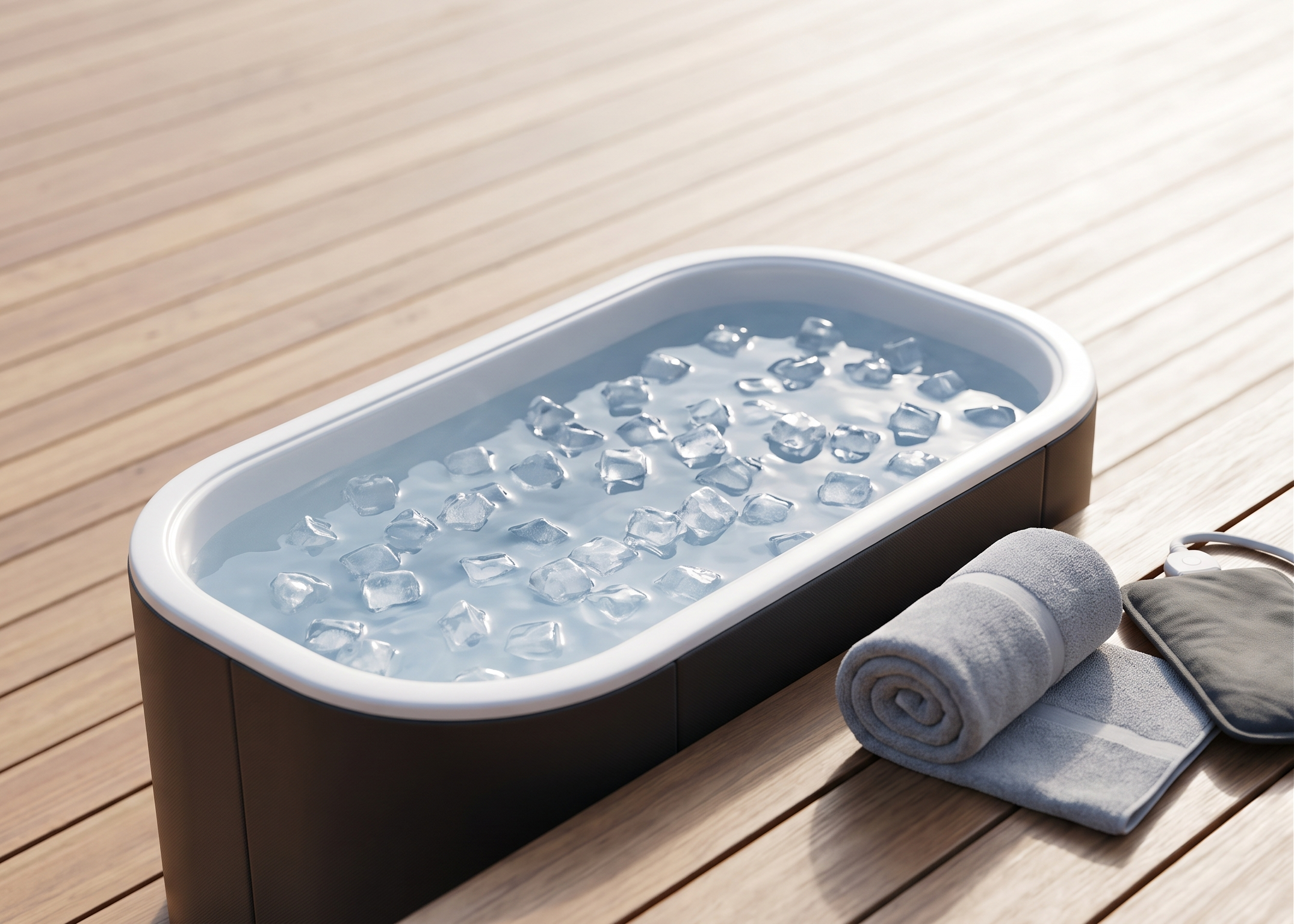
When dealing with post-workout soreness, choosing between an ice bath vs heating pad for sore muscles depends entirely on the timing and type of tissue stress you are experiencing. Cold immersion reduces acute inflammation and numbs sharp pain by constricting blood vessels during the first 24 to 48 hours post-exercise. Conversely, heat therapy relaxes tight muscular tissue and boosts localized circulation to encourage metabolic waste removal during later recovery stages. Applying the wrong thermal protocol can delay muscle restoration or worsen acute swelling.
Quick Summary
- Ice Baths (Cryotherapy): Best within 0–48 hours post-workout to minimize micro-tear inflammation, nerve conduction velocity, and delayed onset muscle soreness (DOMS).
- Heating Pads (Thermotherapy): Best after 48 hours or prior to workouts to relieve chronic stiffness, increase muscle elasticity, and stimulate blood flow.
- The Tactical Combination: Use cold to blunt immediate swelling from heavy lifting, then transition to heat days later for mobility and muscle relaxation.

Table of Contents
Narrow Scope Declaration: Home Recovery for Exercise-Induced Soreness
This guide specifically evaluates ice bath vs heating pad for sore muscles resulting from high-intensity resistance training, endurance athletics, and intense conditioning workouts. It focuses exclusively on non-traumatic exercise-induced muscle damage and general muscle tightness. Severe ligament sprains, acute joint tears, or systemic medical conditions require clinical evaluation and fall outside the scope of home thermal recovery protocols.
Evaluation Criteria for Thermal Recovery Methods
To determine whether cold or heat best serves your physical recovery goals, evaluate both modalities across four fundamental performance criteria:
- Physiological Mechanism: Vasoconstriction (cold limits edema and fluid accumulation) versus vasodilation (heat increases blood flow and tissue oxygenation).
- Practical Accessibility & Cost: Initial financial investment, physical space requirements, and daily setup time at home.
- Analgesic Effect: Direct reduction of muscular pain signals and nerve sensitivity.
- Safety Profile: Thermal skin injury risks, cardiovascular strain, and contraindications.
Ice Bath vs Heating Pad for Sore Muscles: Comparison
Cold immersion therapy lowers core tissue temperature rapidly. When you submerge in water ranging from 50°F to 59°F (10°C to 15°C), peripheral blood vessels constrict. This action restricts inflammatory cytokines from flooding micro-damaged muscle fibers, effectively lowering perceived pain scores after strenuous leg days or grueling endurance sessions.
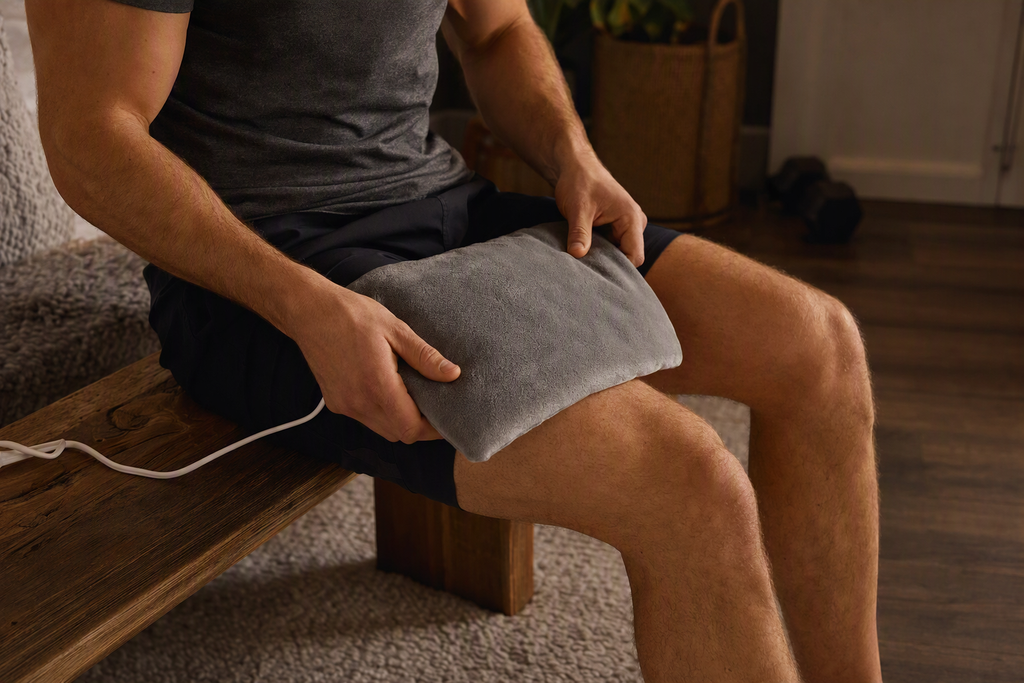
Heating pads deliver targeted surface warmth, usually between 104°F and 113°F (40°C to 45°C). Heat stimulates vascular expansion, delivering oxygenated blood and nutrient supplies to stiff tissues while encouraging the collagen fibers inside fascia to elongate. Integrating appropriate thermal application into broader muscle recovery and injury prevention strategies ensures sustained athletic progress without unnecessary downtime.
Key Takeaways
- Cold exposure limits early-stage swelling; heat aids late-stage tissue flexibility.
- Ice baths demand greater setup discipline, whereas heating pads offer instant plug-and-play convenience.
- Using heat too early on acute micro-tears can exacerbate localized swelling.
| Factor | Ice Bath (Cold Immersion) | Heating Pad (Thermotherapy) |
|---|---|---|
| Optimal Timing | 0–48 hours post-workout | 48+ hours post-workout or pre-workout |
| Primary Mechanism | Vasoconstriction & inflammation control | Vasodilation & muscle fiber relaxation |
| Setup Effort & Cost | Moderate to high (ice, dedicated tub) | Low (electric outlet, portable) |
| Target Condition | Acute DOMS, throbbing soreness | Chronic muscular tightness, stiffness |

Pros
- Ice baths rapidly numb high-intensity pain and reduce post-exercise swelling.
- Heating pads are highly affordable, effortless to use, and immediately soothing.
- Heat increases joint mobility and muscular extensibility before movement.
Cons
- Ice baths require mental toughness, ice supplies, or dedicated chillers.
- Heating pads can worsen acute tissue inflammation if applied immediately after injury.
- Cold therapy may blunting hypertrophic signaling if overused immediately post-lifting.
- 8 stretches with hold times
- About 10 minutes, after a workout or before bed
- Simple safety rules for every stretch
Instant download • 100% free • No email required
Suitability Filter: Matching Modality to Soreness Type
Selecting between these modalities requires honest assessment of your specific soreness stage and lifestyle constraints:
- Choose an Ice Bath If: You completed an intense high-volume squat workout within the last 24 hours, experience throbbing generalized lower-body DOMS, and own a dedicated outdoor tub or portable ice bath tub setup.
- Choose a Heating Pad If: You feel localized stiffness in your lower back or shoulders 3 days after training, suffer from chronic postural muscle tightness, or need a portable recovery tool while sitting at a desk.
Skip If: You have unmanaged cardiovascular conditions (skip cold immersion) or have open skin lesions and acute swelling (skip heating pads).
Risks & Limitations: Safety Considerations
Both thermal methods carry distinct physiological risks when applied incorrectly or for excessive durations.
– Cold Immersion Safety: Limit cold water submersion to 10–15 minutes maximum at 50°F–59°F. Never submerge alone if you have hypertension or heart arrhythmia, as cold shock response causes immediate spike in blood pressure.
– Heat Application Safety: Keep heating pad sessions under 20–30 minutes per application. Never sleep with an active electric heating pad to avoid burn injuries or severe skin thermal damage.
Final Decision Framing: Building Your Soreness Protocol
For maximum athletic longevity, view cold and heat as complementary tools rather than opposing choices. Utilize cold immersion selectively after your most taxing training sessions to manage overwhelming pain, while leaning on heating pads as an accessible everyday tool for relaxing chronic tension and enhancing tissue elasticity.
Bottom Line
- 0 to 48 Hours Post-Workout: Default to cold therapy (ice baths) for acute sore muscles and localized inflammation.
- 48+ Hours Post-Workout: Switch to heat therapy (heating pad) to increase circulation and soothe muscular tension.
- Consistency Wins: Choose the modality you can execute safely and consistently within your home setup.
Frequently Asked Questions
Can I alternate between an ice bath and a heating pad in one session?
Yes. Contrast therapy alternates 1–3 minutes of cold with 2–4 minutes of heat for 3–5 cycles. This rapid transition creates a vascular pumping action that can help flush metabolic byproducts, provided it is performed at least 24 hours after intense exercise.
Does taking an ice bath reduce muscle hypertrophy or strength gains?
Emerging sports science suggests that frequent cold immersion immediately after resistance training may slightly dampen anabolic signaling and satellite cell activation. If raw muscle hypertrophy is your primary goal, reserve ice baths for heavy conditioning phases or competition days rather than everyday strength workouts.
How long should I stay in an ice bath for optimal muscle recovery?
Research indicates that 10 to 15 minutes at a water temperature of 50°F to 59°F (10°C to 15°C) yields maximal recovery benefits without increasing the risk of hypothermia or tissue damage.
- 8 stretches with hold times
- About 10 minutes, after a workout or before bed
- Simple safety rules for every stretch
Instant download • 100% free • No email required