


When comparing rubber gym mats vs foam tiles for your home workout space, high-density vulcanized rubber is the superior choice for heavy equipment support, subfloor protection, and long-term durability. Foam EVA tiles offer budget-friendly light cushioning for bodyweight movements, but fail under heavy barbells, intense point-loads, and repeated foot friction. Understanding how each material performs under real-world impact, moisture, and heavy loads prevents costly subfloor repairs and unstable lifting conditions.
Quick Summary
- Rubber Gym Mats: Unmatched durability, heavy impact absorption, equipment stability, and superior subfloor protection under heavy weights.
- Foam EVA Tiles: Lightweight, affordable, easy to assemble, ideal for light mobility work, low-impact exercise, and temporary spaces.
- The Winner: Rubber mats are mandatory for heavy strength training, while foam tiles work best for lightweight conditioning without heavy equipment.
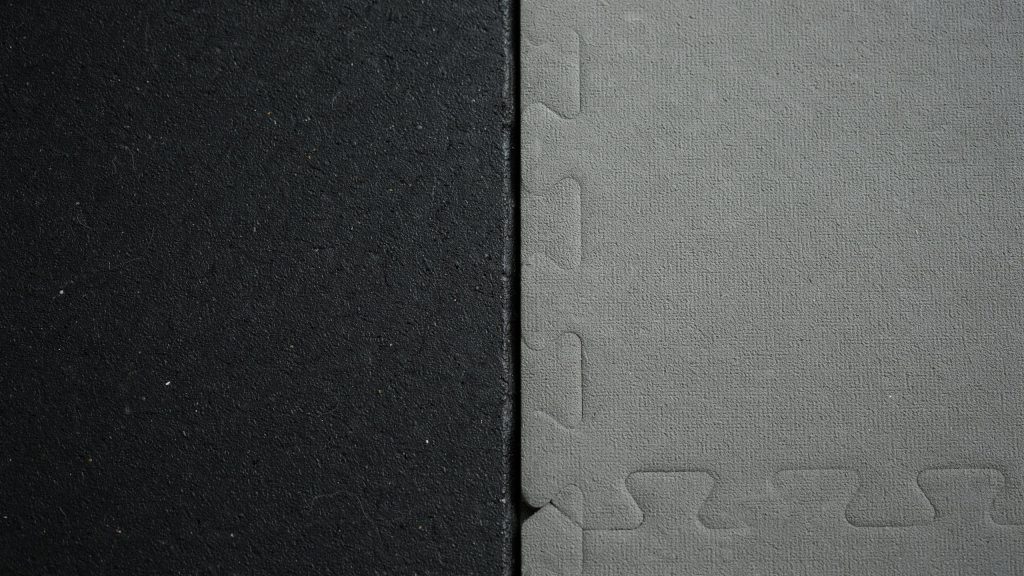
Rubber Gym Mats vs Foam Tiles: Narrow Scope Declaration
Choosing gym flooring requires aligning material properties with your specific training style. This evaluation focuses strictly on solid recycled rubber mats, stall-style rubber sheets, and interlocking high-density EVA foam tiles. We evaluate three primary functional criteria: structural subfloor protection against heavy point loads, impact noise attenuation across multi-story buildings, and long-term resistance to moisture and cleaning chemicals.
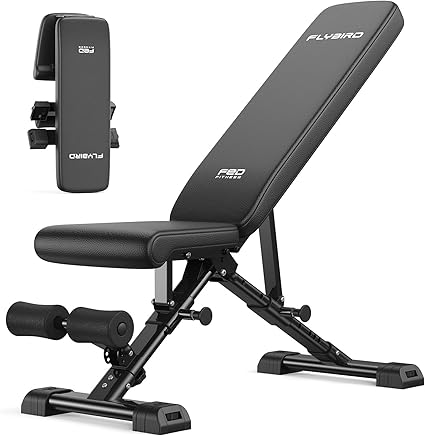
Evaluation Criteria: Floor Protection, Sound Reduction, and Maintenance
Heavy strength training places extreme mechanical stress on residential flooring. Dropping a loaded barbell onto thin carpet or unprotected hardwood can crack concrete slabs and shatter underlying tile structures. A proper installation of heavy-duty rubber gym mats absorbs kinetic energy across dense rubber compounds, preventing load transfer to your building foundation.
Noise reduction relies on acoustic damping capability. High-density rubber deadens dull, low-frequency vibrations caused by deadlifts or heavy machine operation. Closed-cell EVA foam absorbs high-frequency chatter and footfall noise but compresses completely under heavy loads, eliminating sound insulation when under high pressure.
Cleaning and hygienic maintenance present another critical operational difference. Non-porous vulcanized rubber resists sweat absorption, chalk accumulation, and liquid cleaning compounds. Soft foam tiles absorb moisture when surface layers tear, creating internal odor and seam separation over repeated cleaning cycles.
Rubber Gym Mats vs Foam Tiles: Direct Comparison
Evaluating rubber gym mats vs foam tiles side-by-side demonstrates clear trade-offs between load capacity, portability, and long-term investment value for home gym owners.
Key Takeaways
- Rubber withstands extreme compression without permanent indentations or surface deformation.
- Foam tiles separate under lateral shifting during explosive footwork or heavy sled pushes.
- Rubber offers higher fire resistance, superior tear strength, and lifetime longevity.
| Feature | Rubber Gym Mats | EVA Foam Tiles |
|---|---|---|
| Impact Protection | Maximum (heavy weights, barbells) | Low to Moderate (bodyweight only) |
| Equipment Stability | Exceptional (zero wobble or sink) | Poor (racks and benches sink) |
| Noise Dampening | Superior heavy vibration absorption | Light ambient sound reduction |
| Lifespan & Durability | 10–20+ Years | 1–3 Years under regular use |

- Space measuring, starter kit and later upgrades
- Safety check and flooring guide
- Budget notes to buy in stages
Instant download • 100% free • No email required
Suitability Filter: Which Flooring Fits Your Specific Training?
Select rubber gym mats if your routine includes:
- Heavy barbell lifting, deadlifts, or Olympic weightlifting movements.
- Stationary heavy equipment, such as squat racks, power cages, or cable machines.
- High-traffic home garages, basements, or dedicated permanent gym rooms.
Select foam tiles if your routine focuses on:
- Bodyweight mobility drills, core exercise sessions, or low-impact stretching.
- Temporary workout spaces where flooring must be stored away after exercise.
- Tight budget allocations where immediate low cost takes precedence over longevity.
Risks & Limitations: Subfloor Damage and Sub-Par Materials
Deploying soft EVA foam underneath power racks or heavy dumbbell stands creates serious structural risks. Over time, heavy point loads permanently compress foam cells, causing equipment to tilt and destabilize during lifts. This compression eliminates the buffer layer, transferring shock directly into concrete slabs or hardwood subflooring.
Never place heavy squat stands or loaded barbell racks on soft foam tiles. Foam compression alters lifter foot stability, increasing ankle inversion risk and risking concrete subfloor cracking during heavy drops.
Conversely, low-grade rubber mats may emit strong sulfur odors in unventilated rooms. Choosing high-density, vulcanized non-porous rubber ensures minimal off-gassing while offering chemical resistance against sweat and standard floor sanitizers.

Bottom Line
- For serious strength training and subfloor protection, solid rubber mats are the industry standard.
- Foam tiles serve well as temporary, lightweight padding for bodyweight conditioning.
- Investing in rubber protects both your equipment and your home’s foundation long term.
Frequently Asked Questions
Can I put heavy gym equipment on foam tiles?
No. Heavy power racks, benches, and treadmills cause permanent indentation in foam tiles. This compression creates unstable lifting surfaces and allows heavy vibrations to pass directly into your subfloor.
Do rubber gym mats smell bad indoors?
Fresh rubber flooring can have a mild odor initially. High-quality vulcanized rubber mats off-gas quickly within a few days when placed in a well-ventilated area before permanent installation.
How thick should rubber gym mats be for heavy weightlifting?
A minimum thickness of 3/8 inch (approx. 8mm to 10mm) is recommended for general home gym use. For heavy deadlifts or aggressive barbell drops, 1/2 inch to 3/4 inch thick rubber mats provide optimal protection.
Are foam tiles easier to clean than rubber mats?
While foam tiles can be wiped down quickly, their interlocking seams tend to trap sweat and moisture underneath. Non-porous rubber mats prevent liquid penetration, making routine damp mopping more hygienic.
Will rubber mats damage hardwood subfloors?
Rubber mats can occasionally react with certain floor finishes over extended periods. Placing a thin barrier sheet or underlayment beneath rubber mats protects sensitive finished hardwood floors.
Can I mix rubber mats and foam tiles in the same gym?
Yes. Many home gym owners install heavy rubber mats underneath racks and weightlifting zones, while reserving a small foam tile area for floor stretches and mobility work.
- Space measuring, starter kit and later upgrades
- Safety check and flooring guide
- Budget notes to buy in stages
Instant download • 100% free • No email required