


When choosing between an adjustable bench vs flat bench for a home gym, lifters face a direct trade-off between exercise variety, structural stability, budget, and space constraints. An adjustable bench offers incline, flat, and decline angles that target muscle groups from multiple positions, making it ideal for comprehensive hypertrophy and bodybuilding routines. However, a quality flat bench provides superior frame rigidity, higher weight capacities, and lower costs while occupying a smaller footprint. For beginner and intermediate lifters building out a compact training area, understanding how joint angles, mechanical complexity, and movement stability affect long-term training adaptations is critical before making an initial investment.
Quick Summary
- An adjustable bench expands exercise variety by providing incline and decline pressing positions for chest and shoulder development.
- A flat bench offers maximum frame stability, higher load capacity, and budget savings for heavy compound pressing.
- Mechanical hinges on adjustable models introduce minor structural flex and require routine maintenance.
- Flat benches take up less physical space and feature standard competition height dimensions.
Narrow Scope Declaration
This comparison focuses specifically on first-time home gym bench selections for strength training, chest development, and general fitness. It evaluates standard flat utility benches against adjustable incline/decline (FID) benches in residential settings. Specialized powerlifting competition benches, commercial chest press machines, and non-adjustable incline benches fall outside the scope of this evaluation.
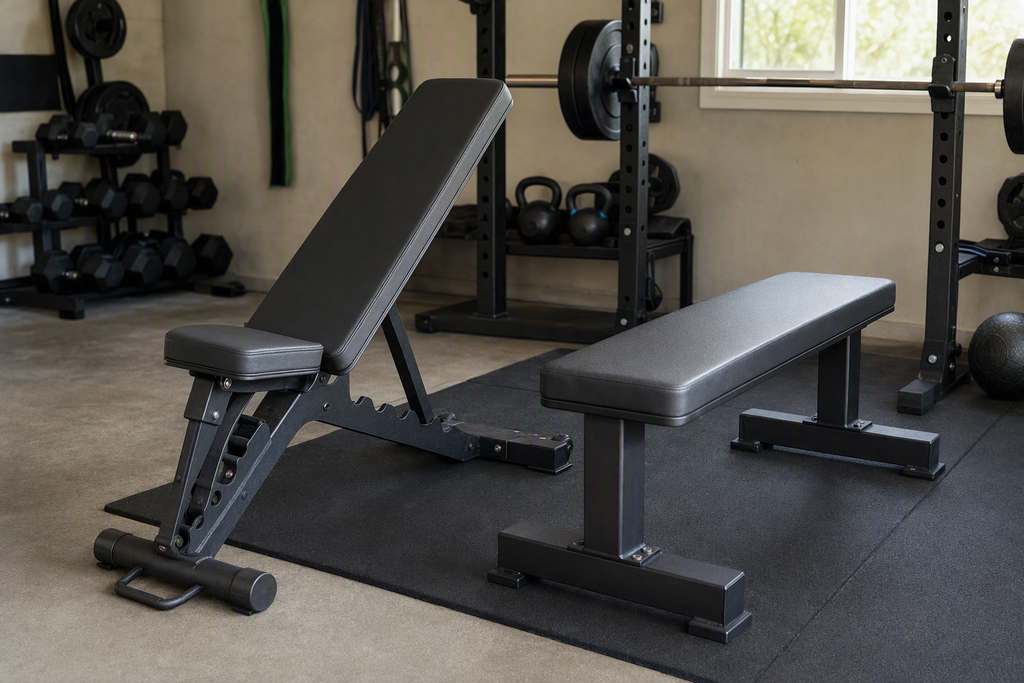
Key Evaluation Criteria for Home Gym Benches
Selecting the correct bench requires balancing structural performance against space availability and budget limits. Mechanical simplicity directly impacts durability and maintenance needs over time.
1. Structural Stability and Load Capacity
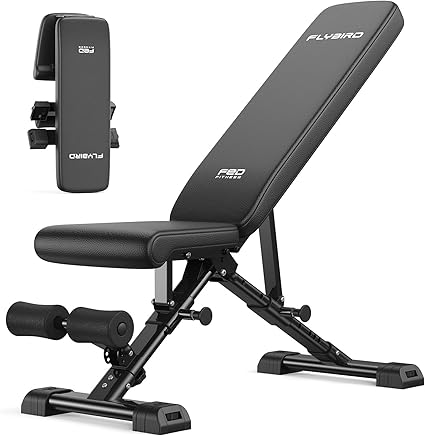
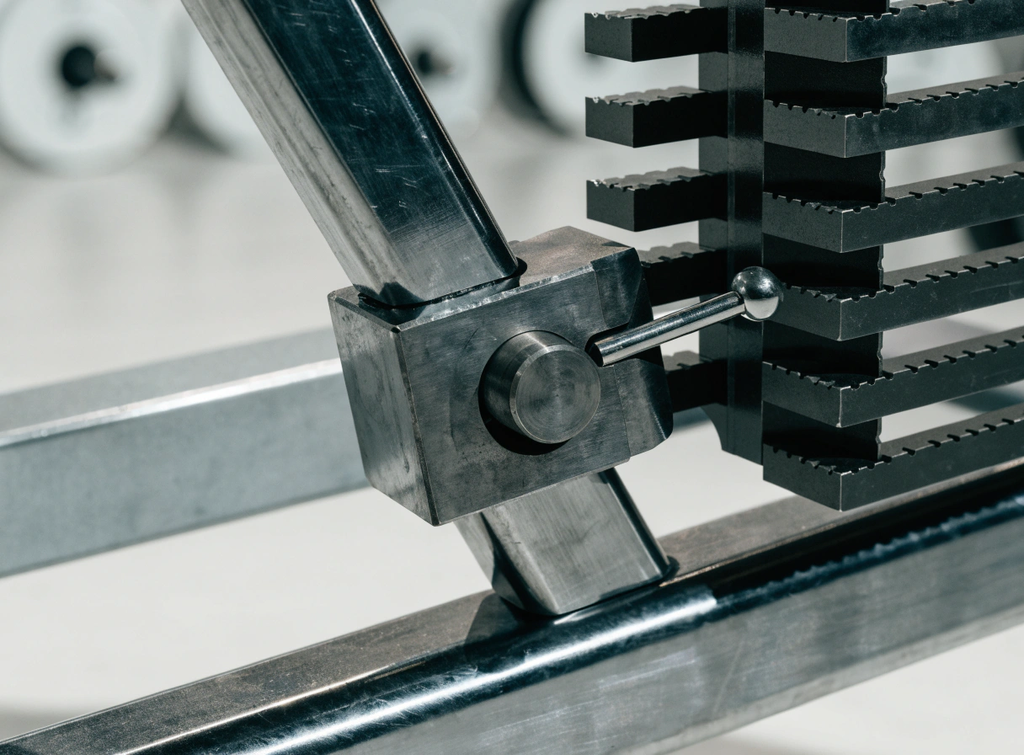
Flat benches consist of a single continuous steel frame welded to heavy-duty base legs. Without moving parts, hinges, or pop-pins, the structural integrity remains uncompromised under heavy loads. Standard flat utility benches frequently carry weight ratings exceeding 1,000 pounds. In contrast, adjustable benches rely on locking mechanisms, selector pins, or ladder catches to secure the backrest. These articulation points introduce slight mechanical tolerances, which can feel like subtle frame play when pressing heavier loads.
2. Movement Variety and Biomechanical Angles
An adjustable backrest unlocks access to incline bench presses, seated overhead dumbbell presses, chest-supported rows, and incline flyes. Modifying the back pad angle from 15 to 80 degrees shifts shoulder blade positioning and alters muscle insertion recruitment. A flat bench restricts pressing movements strictly to a horizontal plane. While flat presses build foundational pressing strength, working exclusively on a horizontal surface limits upper chest isolation and shoulder angle variations.
3. Footprint, Mobility, and Maintenance
Flat benches feature a compact footprint and a lower total weight, making them easy to tip vertical or move across a room. They require virtually zero maintenance beyond wiping down upholstery. Adjustable benches weigh significantly more due to added steel reinforcement and hinge hardware. While some adjustable units include transport wheels and handles, their moving parts require occasional bolt tightening and hinge lubrication to prevent squeaking and mechanical binding.
Adjustable Bench vs Flat Bench Head-to-Head Comparison
To evaluate these two gym essentials, compare their core specifications and operational characteristics side-by-side.
Key Takeaways
- Flat benches provide zero pad gap, delivering consistent support across the spine during heavy barbell training.
- Adjustable benches require a pad gap between the seat and backrest to allow rotation, which can feel noticeable in the flat position.
- Investing in a high-grade adjustable weight bench yields greater exercise versatility per square foot of floor space.
- Flat benches are generally 30% to 50% less expensive than comparably rated adjustable benches.
| Feature Criteria | Flat Utility Bench | Adjustable (FID) Bench |
|---|---|---|
| Primary Advantage | Maximum stability & heavy load capacity | High exercise versatility & angle choice |
| Price Range | $100 – $250 | $250 – $600+ |
| Frame Complexity | Welded steel frame (zero moving parts) | Hinged frame, pop-pins, or ladder catch |
| Pad Gap | None (continuous foam support) | 1.5 to 2.5 inch hinge gap |
| Storage & Transport | Lightweight, easy to stand vertically | Heavier, requires wheels and handles |
Adjustable Bench Pros
- Unlocks incline and shoulder press variations
- Target upper and middle chest fibres precisely
- Improves dumbbell exercise utility
Adjustable Bench Cons
- Higher upfront purchase cost
- Pad gap can disrupt lower back positioning
- Heavier frame is harder to relocate
Flat Bench Pros
- Budget-friendly, highly durable construction
- Rock-solid stability under high weights
- Uninterrupted foam pad without hinges
Flat Bench Cons
- Restricted strictly to horizontal exercises
- Requires additional equipment for shoulder presses
- Limited hypertrophy angle variations
Suitability Filter: Which Bench Fits Your Goals?
Skip If: You train strictly for powerlifting, work on a strict budget under $150, or require maximum structural simplicity without mechanical maintenance.
Movement Quality and Form Breakdown Rules
Executing chest presses requires strict adherence to shoulder blade retraction and joint alignment, regardless of the bench style utilized.
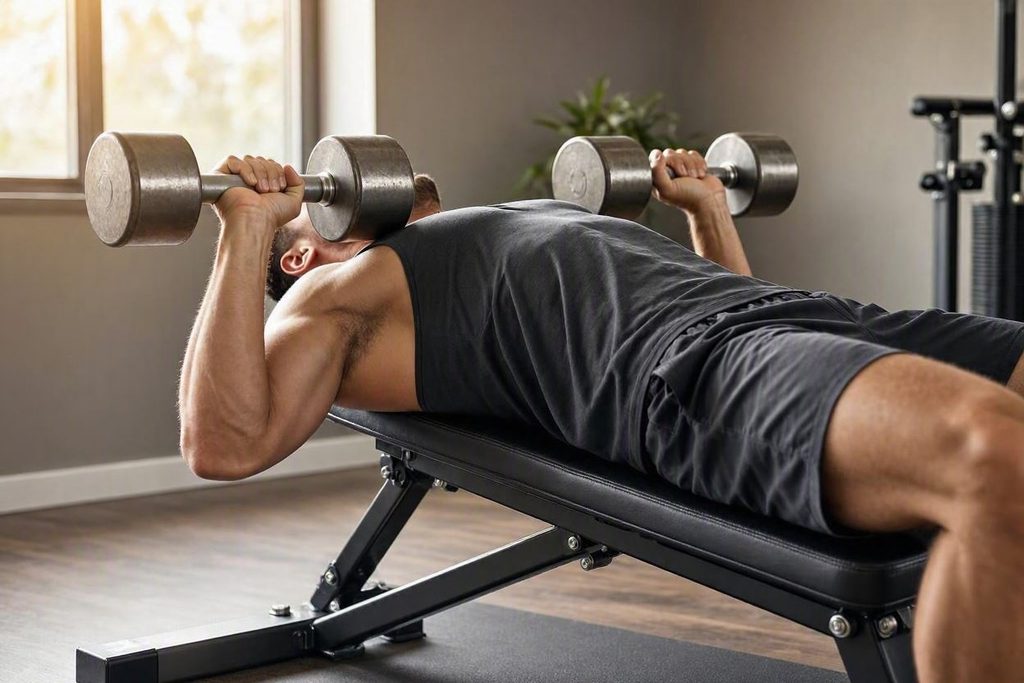
Incline Dumbbell Bench Press Steps
- Set the back pad to a 30-degree incline angle to emphasize the clavicular head of the pectoralis major without overloading the anterior deltoids.
- Sit firmly on the seat pad, place the dumbbells on your knees, and kick them up smoothly as you lie back against the pad.
- Retract your scapulae, set your feet flat on the floor, and lower the weights toward your outer chest under complete control.
- Press upward through the mid-foot while keeping your elbows angled at approximately 45 degrees relative to your torso.
Risks and Mechanical Limitations
Understanding mechanical failure points prevents training interruptions and potential injuries.
Pad Gap Discomfort and Lumbar Support
When an adjustable bench is lowered to the flat position, a physical gap remains between the seat pad and backrest. For powerlifters who utilize a pronounced lumbar arch and leg drive, the spine or lower back may settle directly over this gap, causing instability or uneven pressure points. Flat benches eliminate this issue entirely by providing a seamless, uniform foam surface.
Hinge Wear and Frame Flex
Adjustable benches rely on steel pins and pivot bolts. Over hundreds of training sessions, repeated lateral forces from improper dumbbell entry can loosen pivot hardware. If hardware is not checked regularly, side-to-side wobble can develop during pressing movements. Flat benches avoid this fatigue cycle due to their fully welded cross-members.
Final Decision Framing
If your budget permits and your routine emphasizes hypertrophy, dumbbell training, and movement diversity, an adjustable bench serves as the core center-piece of your home gym. If your primary focus is heavy powerlifting presses, power rack compatibility, maximum frame stability, or budget conservation, a flat bench remains the superior initial purchase.
Bottom Line
- Choose an adjustable bench if exercise variety and upper body hypertrophy are your primary objectives.
- Choose a flat bench if maximum stability, budget efficiency, and seamless powerlifting form take priority.
- Inspect all locking pins and frame bolts monthly to maintain structural safety in residential settings.
External Authoritative Sources
| Source / Website | Anchor Text | Destination Purpose |
|---|---|---|
| National Strength and Conditioning Association (NSCA) | resistance training movement biomechanics | Reference guidelines on joint positioning and upper body pressing alignment. |
| American Council on Exercise (ACE) | chest exercise muscle activation | Review EMG studies comparing flat press activation versus incline pressing angles. |
Frequently Asked Questions
Is an adjustable bench worth the extra money for a home gym?
Yes, for lifters focusing on hypertrophy and varied dumbbell training, an adjustable bench is worth the added cost. It enables incline pressing, chest-supported rows, and seated shoulder exercises that cannot be performed on a flat bench.
Can you perform flat bench presses safely on an adjustable bench?
Yes, high-quality adjustable benches support flat bench pressing safely. However, lifters should ensure the bench locking mechanism is secure and be aware that the pad gap near the hinge may feel slightly different than a solid flat bench.
What is the ideal incline angle for chest training on an adjustable bench?
An angle between 15 and 30 degrees is optimal for targeting the upper chest while minimizing excessive anterior deltoid involvement. Incline settings above 45 degrees shift the emphasis heavily onto the shoulders.
Why do powerlifters prefer flat weight benches over adjustable models?
Powerlifters prefer flat benches because they offer zero pad gap, exceptional stability, and lower bench height standards. The rigid single-piece frame handles maximum barbell loads with zero frame flex.
How much weight capacity should a home gym bench have?
A reliable home gym bench should have a minimum weight capacity of 600 pounds. This figure accounts for both the lifter’s body weight and the maximum dumbbell or barbell load being pressed.
How do I maintain an adjustable weight bench over time?
Check and tighten frame bolts every few months, clean the synthetic leather upholstery with mild detergent after workouts, and inspect selector pop-pins for wear or metal fatigue to ensure consistent operation.