

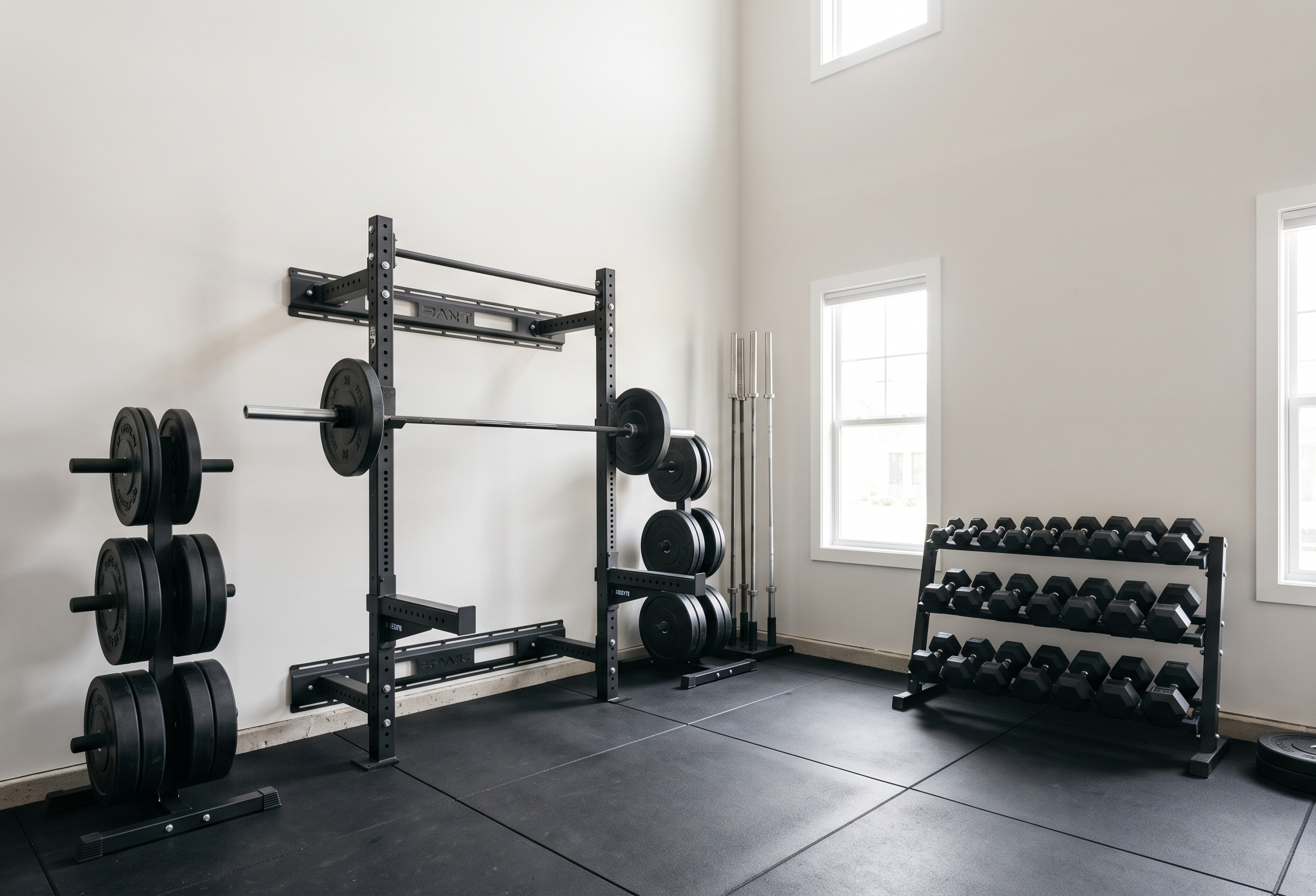
Building a garage gym small space footprint requires smart planning, precise spatial measurements, and durable gear selection. You can transform a single garage bay or a tight room into a elite training area without sacrificing function.
Quick Summary
- Maximize compact garage areas using wall-mounted folding racks and vertical plate storage.
- Protect concrete subfloors with three-quarter-inch vulcanized rubber mats for impact absorption.
- Control internal humidity levels below fifty percent to stop equipment rust and mold growth.
- Verify ceiling height clearances before choosing bar path trajectories and overhead presses.
Space Planning Fundamentals for a Garage Gym Small Space Layout
Designing a functional home gym inside a limited floor plan starts with clear spatial boundaries. A standard single-car garage stall measures roughly ten feet wide by twenty feet long.
You must allocate space for movement radiuses, barbell sleeve loading, and safety exit paths. Placing heavy equipment too close to garage doors or side walls creates severe training hazards.
- One short workout a day, no equipment
- Active rest day and stretch day included
- Printable one-page plan with tips
Instant download • 100% free • No email required
Clearance zones determine how effectively you can execute explosive lifts. According to safety guidelines established by the National Strength and Conditioning Association (NSCA), lifting zones require at least three feet of open perimeter around any barbell setup.
Key Takeaways
- Standard Olympic barbells require a minimum lateral space of eight full feet for safe plate loading.
- Foldable racks reduce floor occupancy from sixteen square feet down to four square feet when stowed.
- Wall stud verification is mandatory before anchoring heavy load-bearing structural gear.
| Layout Type | Footprint Needed | Key Advantage | Primary Limitation |
|---|---|---|---|
| Wall-Mounted Foldable | 4 ft x 4 ft (Stowed) | Saves maximum floor area | Requires solid stud anchors |
| Compact Half Rack | 4 ft x 6 ft (Fixed) | No wall mounting needed | Permanent floor consumption |
| Vertical Dumbbell Hub | 2 ft x 2 ft (Fixed) | Tiny footprint storage | Height limits top shelf loading |
Pros
- Eliminates commercial gym commute times completely.
- Customizes equipment choices to your exact training targets.
- Preserves vehicle parking options when using folding setups.
Cons
- Requires upfront capital investment for quality flooring and steel.
- Demands proactive climate management to stop metal oxidation.
- Imposes strict ceiling height constraints on vertical movements.
Skip If: You rent a space that prohibits drilling wall studs, or your ceiling height measures under seven feet tall.
Vertical Clearance and Overhead Ceiling Metrics
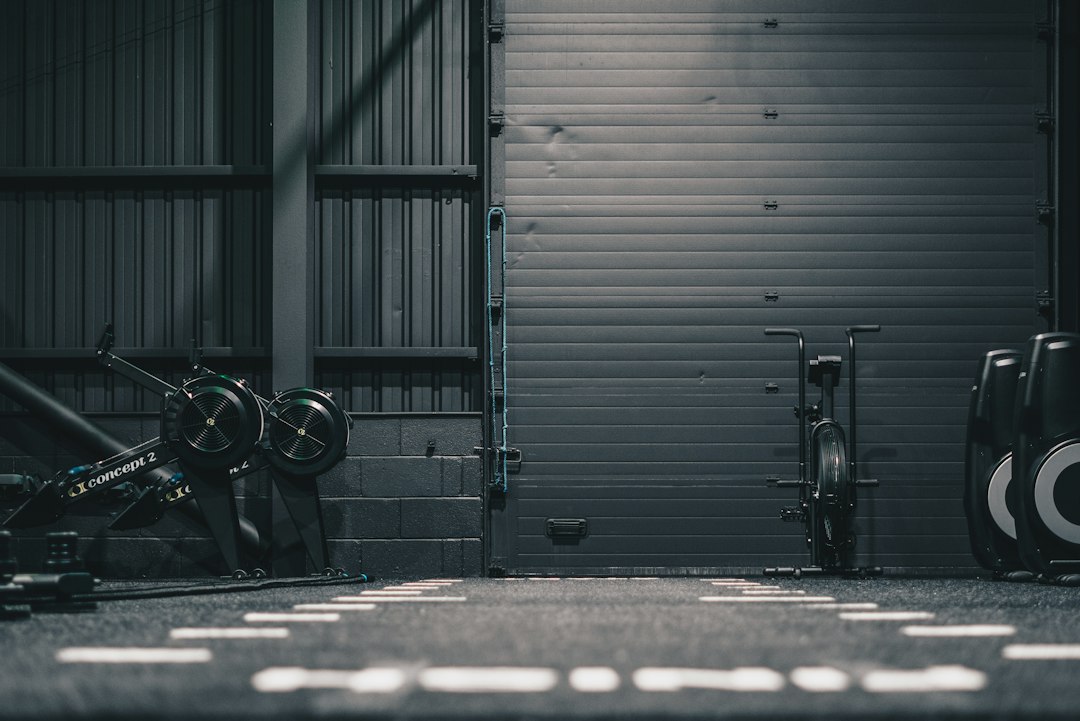
Ceiling height is often the most restricted axis in any small footprint build. Standard residential garage ceilings range between eight and nine feet in height.
However, overhead door tracks, garage openers, and ceiling joists regularly intrude into that vertical space. You must measure the absolute lowest ceiling point before buying standing equipment.
Calculating Safe Standing Press Overhead Margins
To press weight overhead safely, calculate your total standing reach plus plate radius. Add your height, fully extended arm length, and four extra inches for bar path clearance.
If your extended reach exceeds the lowest ceiling beam, standing presses are unsafe. In those scenarios, perform seated overhead presses or switch to incline bench setups.
Selecting Racks for Low-Ceiling Spaces
Standard power racks stand between eighty-four and ninety-six inches tall. For tight spaces, seek specialized low-profile power racks measuring seventy-two to eighty inches.
Ensure pull-up bars on low racks remain functional. A pull-up bar placed too close to joists prevents full head clearance at the top of reps.
Flooring Selection: Moisture, Vapor Barriers, and Concrete Protection
Raw garage concrete absorbs environmental moisture and damages dropping weights over time. Installing heavy-duty resilient flooring is essential for structural longevity and noise mitigation.
Do not rely on thin puzzle-foam matting for heavy barbell training. Soft EVA foam compresses permanently under heavy loads and offers zero concrete protection.
Evaluating Rubber Mat Thickness and Density
The gold standard for garage flooring is three-quarter-inch vulcanized rubber matting. These mats support heavy power racks, deadlift drops, and bench setups without deforming.
Laying heavy rubber gym floor mats across your training area creates an even floor surface. They absorb mechanical shock and prevent hairline concrete fracture propagation.
Managing Subfloor Vapor Barriers and Moisture Testing
Concrete slabs constantly wick groundwater moisture upward through capillary action. Trapping moisture under dense rubber mats can foster mold growth and foul odors.
Guidelines from the Centers for Disease Control and Prevention (CDC) recommend maintaining indoor surfaces dry to prevent structural fungal accumulation. Tape a plastic sheet to your concrete floor for forty-eight hours to test for trapped moisture droplets before laying mats.

- Space audit and layout sketch grid
- Equipment priority list with budget
- Safety and maintenance checklists
Instant download • 100% free • No email required
Foldable Racks and Space-Saving Structural Equipment
Wall-mounted folding racks have transformed compact home strength spaces completely. These units pin securely into structural wall studs and fold flat when workouts end.
When folded against the wall, these racks extend outward by less than five inches. This allows full vehicle parking in a single garage stall without moving gear.
Anchoring Mechanics for Wall Stringers
Never anchor folding rack hinges directly into drywall alone. You must mount heavy wooden or steel stringers across at least three structural wall studs first.
Secure the stringers using heavy-duty lag bolts driven deep into stud centers. This distributes dynamic structural loads safely across your wall framework during heavy squats.
Compact Bench and Free Weight Integration
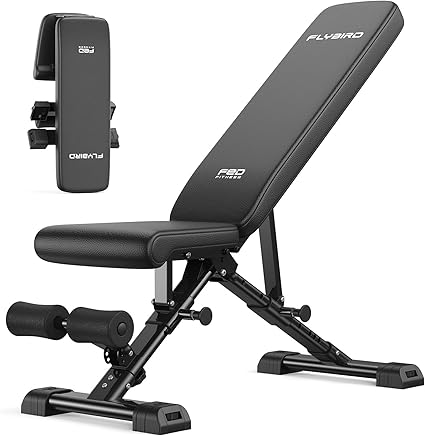
Choose an adjustable weight bench that features vertical storage capability. Storing your bench upright saves up to twelve square feet of usable floor area between sessions.
Combine your bench with adjustable dumbbells to replace entire commercial dumbbell racks. One pair of high-capacity adjustable dumbbells takes up less than three square feet total.
Climate Control, Humidity, and Equipment Preservation
Unconditioned garages experience severe temperature swings and humidity accumulation. High moisture air oxidizes steel barbells, cable pulleys, and rack frames rapidly.
Managing atmospheric air quality protects both your gear investment and your respiratory health during intense breathing sessions.
Dehumidification and Airflow Strategies
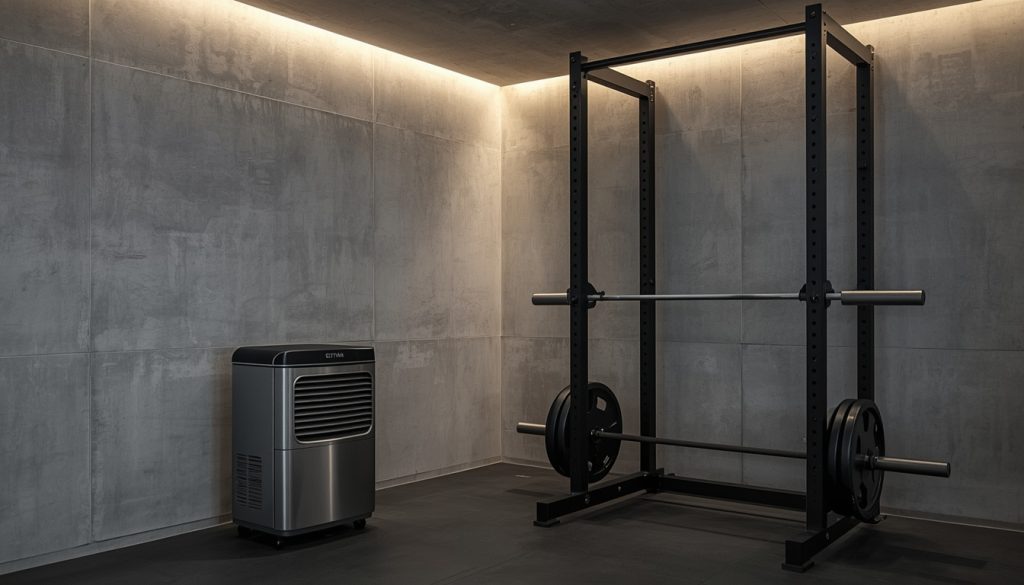
Maintain relative humidity levels below fifty percent inside your garage gym space. Run a dedicated collection dehumidifier continuously during humid spring and summer months.
Position high-velocity floor fans to circulate air into dead corners. Good airflow prevents condensation from settling on cold iron plates and bar knurling overnight.
Barbell Knurling Maintenance and Rust Protection
Wipe down iron barbells and weight plates with light machine oil monthly. Use a stiff nylon brush to strip sweat salts from knurling gaps after heavy workouts.
Avoid storing damp chalk inside small garage rooms overnight. Gym chalk pulls ambient moisture directly out of the air and accelerates iron corrosion.
Apartment and Constrained Space Adaptations
Building a home gym in a small apartment demands strict sound deadening and floor protection tactics. Acoustic transmission through floor joists will disturb neighboring tenants quickly.
Focus on equipment that delivers high mechanical tension without requiring massive structural drops or heavy steel racks.
Acoustic Isolation and Impact Cushioning
Layer high-density closed-cell foam under three-quarter-inch rubber mats to reduce sound transfer. High-density drop pads absorb barbell impact energy effectively when training on upper building floors.
Choose urethane-coated weight plates instead of raw bare cast iron. Urethane dampens iron-on-iron clatter during plate loading and set execution significantly.
Multi-Use Gear Choices for Ultra-Tight Footprints
Prioritize versatile gear like heavy resistance bands, suspension trainers, and single kettlebells. These items store easily inside closets or under bed frames when workouts wrap up.
A heavy kettlebell enables explosive hip hinge work, squats, and overhead presses within a tiny three-foot training circle.
Step-by-Step Installation Roadmap for Compact Spaces
Follow a structured installation plan to ensure your garage build progresses smoothly and safely.
Phase 1: Clear, Measure, and Clean
Remove all clutter from your target installation area completely. Deep clean the concrete slab using a degreaser to prepare for flooring setup.
Phase 2: Vapor Barrier and Rubber Layering
Lay down vapor barriers if concrete moisture testing shows high water transfer. Fit your heavy rubber mats tightly together, trimming edges with a sharp utility knife.
Phase 3: Wall Stringer Mounting and Rack Setup
Locate stud centers using an electronic stud finder precisely. Secure wood or steel stringers horizontally, then mount your folding rack hinges and upright pins securely.
Phase 4: Vertical Storage and Gear Placement
Install wall hooks for bands, belts, and cable attachments high on wall studs. Position vertical weight trees and upright bench storage units along side walls.
Bottom Line
- Measure ceiling height clearances and stud locations before ordering heavy training equipment.
- Prioritize thick vulcanized rubber flooring to safeguard concrete slabs and deaden training noise.
- Select wall-mounted folding racks and vertical storage units to preserve open floor area.
Frequently Asked Questions
How much space do I actually need for a small garage gym?
A functional strength space requires a minimum area of eight feet by eight feet. This provides enough clearance for an Olympic barbell and a compact wall-mounted folding rack setup.
Can a standard garage floor handle the weight of a heavy power rack?
Yes, residential concrete slabs are typically four inches thick and rated for several thousand pounds. Heavy rubber flooring spreads point loads evenly across the slab surface.
How do I stop my barbell from rusting in an unheated garage?
Keep humidity below fifty percent using a dehumidifier. Brush off chalk after every workout and apply a light coat of protective machine oil to knurling monthly.
Are folding wall racks as strong as traditional four-post power racks?
Quality folding racks built from eleven-gauge steel hold over one thousand pounds safely. Their structural stability depends entirely on securing mounting stringers directly into solid wooden wall studs.
What is the best flooring option for a tight garage gym footprint?
Three-quarter-inch vulcanized rubber mats offer superior impact protection and durability. They absorb sound, prevent concrete cracking, and provide stable non-slip footing for heavy lifts.
How high should my garage ceiling be for standing overhead presses?
You generally need a ceiling height of eight and a half to nine feet. If your ceiling is lower, perform overhead presses seated on an adjustable weight bench instead.
- Space audit and layout sketch grid
- Equipment priority list with budget
- Safety and maintenance checklists
Instant download • 100% free • No email required