

Choosing between an adjustable vs fixed kettlebell is one of the most critical decisions when building a space-constrained home gym. Floor space is always limited in modern apartments and small workout areas. Selecting the wrong equipment leads to clutter, unsafe training environments, and wasted money. This guide evaluates both options based on physical footprint, swing safety mechanics, and long-term financial value.
An adjustable kettlebell consolidates multiple weight increments into a single unit. Conversely, fixed kettlebells offer unmatched durability and traditional balance. Understanding these mechanical trade-offs ensures you select the right tool for your specific strength goals.
Quick Summary
- Adjustable kettlebells save up to 85% of floor space by replacing 6 to 10 traditional bells in one footprint.
- Fixed cast iron or competition kettlebells deliver superior balance and zero risk of moving mechanical parts during high-velocity swings.
- Investing in a quality adjustable kettlebell set is more cost-effective upfront than buying an entire set of individual weights.
Floor Space and Storage Footprint
Floor space dictates the functionality of any compact home training area. Storing eight individual kettlebells requires dedicated shelving or expansive floor space. A single adjustable bell occupies less than two square feet total.
A typical set of fixed bells ranging from 16 kg to 32 kg creates significant spatial drag. In tight rooms, this equipment bulk increases tripping hazards during dynamic workouts. Optimizing vertical storage or selecting consolidated equipment resolves room congestion immediately.
When organizing compact lifting areas, efficient spatial planning is vital. For broader layout strategies, review our guide on garage gym setup for low ceilings and small spaces to maximize safety and utility.
Swing Safety and Locking Mechanisms
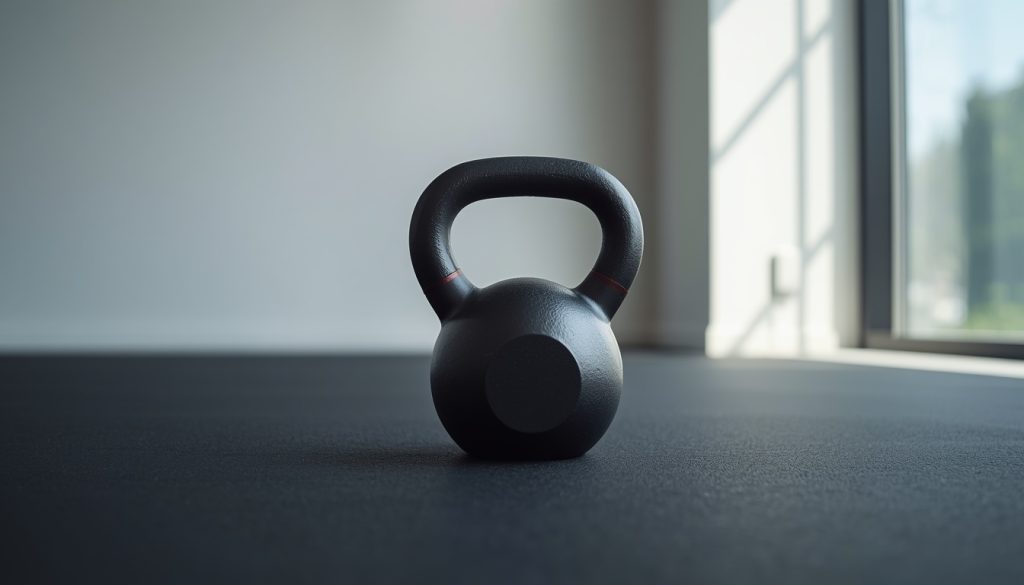
Ballistic movements like swings, cleans, and snatches produce high kinetic forces. Equipment integrity is non-negotiable during rapid velocity transitions. Fixed kettlebells feature a single-piece cast metal construction that cannot fail mechanically.
Adjustable models utilize internal pins, dials, or threaded weight plates to secure load components. According to biomechanical evaluations from the American Council on Exercise, kettlebell swings generate substantial arc acceleration that tests handle grip and equipment stability.
Inferior locking mechanisms can rattle or shift mid-rep. High-grade competition-style adjustable bells hold plates internally using continuous threaded steel shafts. Always inspect locking pins prior to launching explosive overhead movements.
Upfront Cost vs Long-Term Investment
Price evaluation requires calculating cost-per-pound across your anticipated strength progression. A single premium fixed kettlebell costs moderately, but purchasing a progressive set escalates rapidly. Buying eight separate bells increases total shipping costs and gear investment significantly.
An adjustable unit carries a higher initial price tag than a single fixed bell. However, it delivers massive savings when compared against an entire weight collection. Research compiled by the National Institutes of Health demonstrates that progressive overload requires regular weight adjustments to drive physiological adaptations.
An adjustable model allows micro-loading in small increments. This flexibility enables steady strength gains without purchasing extra iron every few months.
Ergonomics, Shell Shape, and Handle Geometry
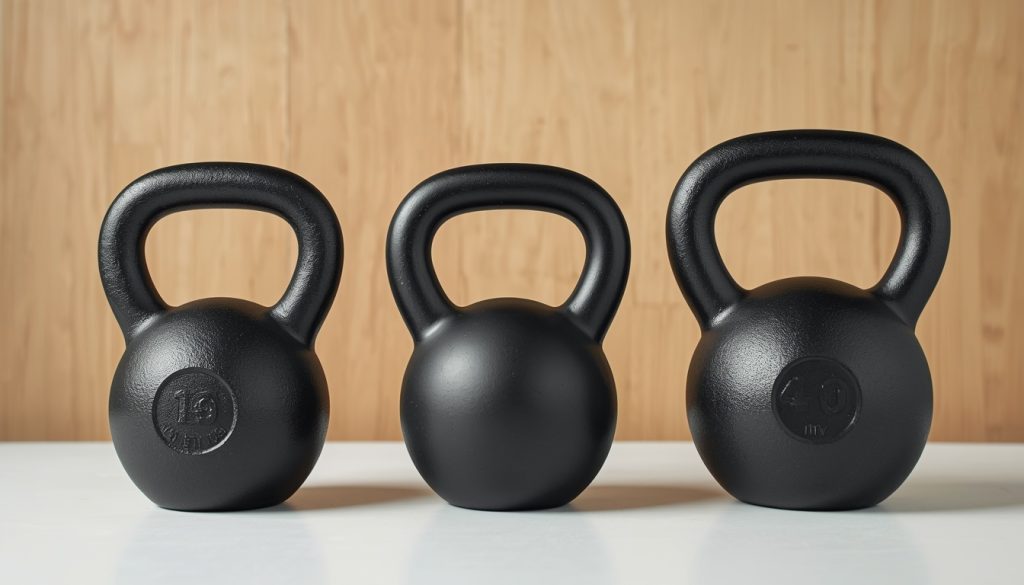
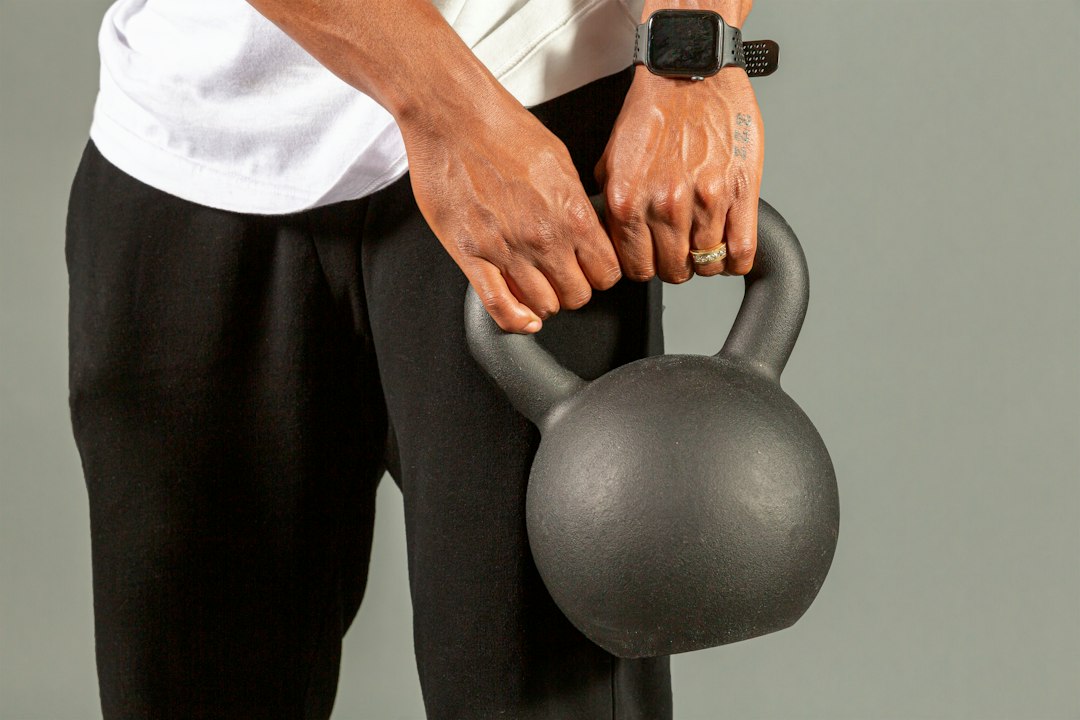
Handle dimensions directly affect wrist positioning and forearm comfort during overhead presses and rack positions. Fixed cast iron bells feature handles that scale in thickness as weight increases. Competition fixed bells maintain uniform handle diameter and shell size across all weight classes.
Adjustable kettlebells generally mirror competition dimensions or traditional shell designs. Some dial-based adjustable units feature flat sides or wider shells that feel bulkier in the rack position. Matching handle geometry to your hand size prevents grip fatigue and skin pinching during high-rep sets.
Pros
- Replaces multiple individual kettlebells in a tiny footprint.
- Micro-loading capabilities allow precise strength progression.
- Lower total cost compared to buying full sets of fixed iron.
- Keeps home workout areas tidy and clutter-free.
Cons
- Mechanical components require routine inspection.
- Changing weights takes time between exercise supersets.
- Shell size remains constant even at lighter weight settings.
- Not suitable for aggressive double-kettlebell ground drops.
Key Takeaways
- Adjustable kettlebells excel for space-limited lifters needing versatile weight options.
- Fixed kettlebells remain the top pick for high-impact training, double kettlebell work, and maximum durability.
- Selecting competition-style adjustables preserves authentic handle dimensions and swing feel.
| Feature | Adjustable Kettlebell | Fixed Kettlebell |
|---|---|---|
| Floor Footprint | Minimal (1 unit) | Large (Requires rack/floor space) |
| Weight Flexibility | Multi-weight settings | Single fixed weight |
| Durability | High (Requires pin checks) | Indestructible single-piece cast |
| Swing Feel | Balanced (Quality dependent) | Perfect traditional balance |
| Cost Efficiency | High for multi-weight needs | High for single-weight needs |
Exercise Breakdown and Form Execution
Performing ballistic exercises safely requires strict movement execution regardless of equipment style. Below are two foundational movements where equipment stability directly impacts performance.
- Space measuring, starter kit and later upgrades
- Safety check and flooring guide
- Budget notes to buy in stages
Instant download • 100% free • No email required
1. The Two-Handed Kettlebell Swing
The two-handed swing builds explosive posterior chain power while teaching hip hinge mechanics. Execute the movement using these steps:
- Stand with feet shoulder-width apart, kettlebell placed twelve inches in front of your toes.
- Hinge at hips, grip handle with both hands, and tilt the bell backward toward your body.
- Hike the bell between legs, drive hips forward explosively, and snap glutes at full extension.
- Guide the bell back down into hip hinge hinge position without rounding spine.
2. The Single-Arm Clean and Press
This movement translates lower-body power into vertical pressing strength. Follow this structured sequence:
- Hinge hips to grip bell handle with one hand in a neutral wrist position.
- Hike bell back, snap hips, and pull elbow tight against torso to catch weight in rack position.
- Stabilize core, brace glutes, and press bell straight overhead until arm reaches full lock.
- Lower bell under strict control back to chest rack before resetting.
Suitability Filter: Which Style Fits Your Space?
Determining the right style comes down to training intensity, space constraints, and exercise choices. Use this breakdown to clarify your selection.
Choose an Adjustable Kettlebell If:
You train in a apartment, office, or small bedroom where floor clutter must be avoided. It is ideal for individuals following progressive strength protocols that require subtle loading jumps.
Choose a Fixed Kettlebell If:
You execute high-velocity double kettlebell complexes, outdoor training on concrete, or extreme ballistic drops. Fixed iron is best for athletes prioritizing bulletproof construction and instant weight transitions.
Skip If: You regularly drop weights from overhead or perform double-kettlebell partner workouts.
Risks and Equipment Limitations
Mechanical failure remains the primary hazard with low-quality adjustable kettlebells. Internal plastic tabs or loose adjustment knobs can degrade under heavy impact. Inspecting weight pins before every workout is essential for personal safety.
Fixed kettlebells carry minimal mechanical risk but create physical space risks in tiny rooms. Storage shelves must be rated for total iron weight to prevent structural collapsing over time.
Bottom Line
- Adjustable kettlebells provide superior versatility and massive space savings for compact home gyms.
- Fixed iron kettlebells deliver lifetime structural durability for extreme conditioning work.
- Choose based on available floor square-footage, safety preferences, and long-term training goals.
Frequently Asked Questions
How much space do I save with an adjustable kettlebell?
An adjustable kettlebell saves up to 80-85% of floor storage space. Instead of lining up 6 to 10 separate cast-iron bells on a rack, one adjustable unit occupies a single footprint under two square feet.
Are adjustable kettlebells safe for dynamic swings?
Yes, high-quality adjustable kettlebells with steel locking pins or internal threaded rods are safe for swings. Always verify that adjustment mechanisms are securely locked before starting any movement.
Do adjustable kettlebells feel different during exercises?
Some dial-style adjustable kettlebells have bulkier shells that alter rack comfort slightly. Competition-style adjustable bells mimic standard fixed dimensions perfectly, offering a seamless swing feel.
Can I drop an adjustable kettlebell on the floor?
No, you should never drop an adjustable kettlebell on hard ground. High impact can damage internal plates, dial mechanisms, or locking pins. Use fixed cast iron for high-impact workouts.
Are fixed kettlebells better for double kettlebell workouts?
Fixed kettlebells are generally better for double kettlebell complexes. They offer exact structural symmetry, instant pickup, and zero risk of physical handles clashing and damaging internal lock pins.
Which kettlebell style is better for long-term budget?
An adjustable kettlebell provides far higher cost efficiency when you plan to progress through multiple weight increments over time, saving hundreds of dollars compared to buying full individual sets.
- Space measuring, starter kit and later upgrades
- Safety check and flooring guide
- Budget notes to buy in stages
Instant download • 100% free • No email required